
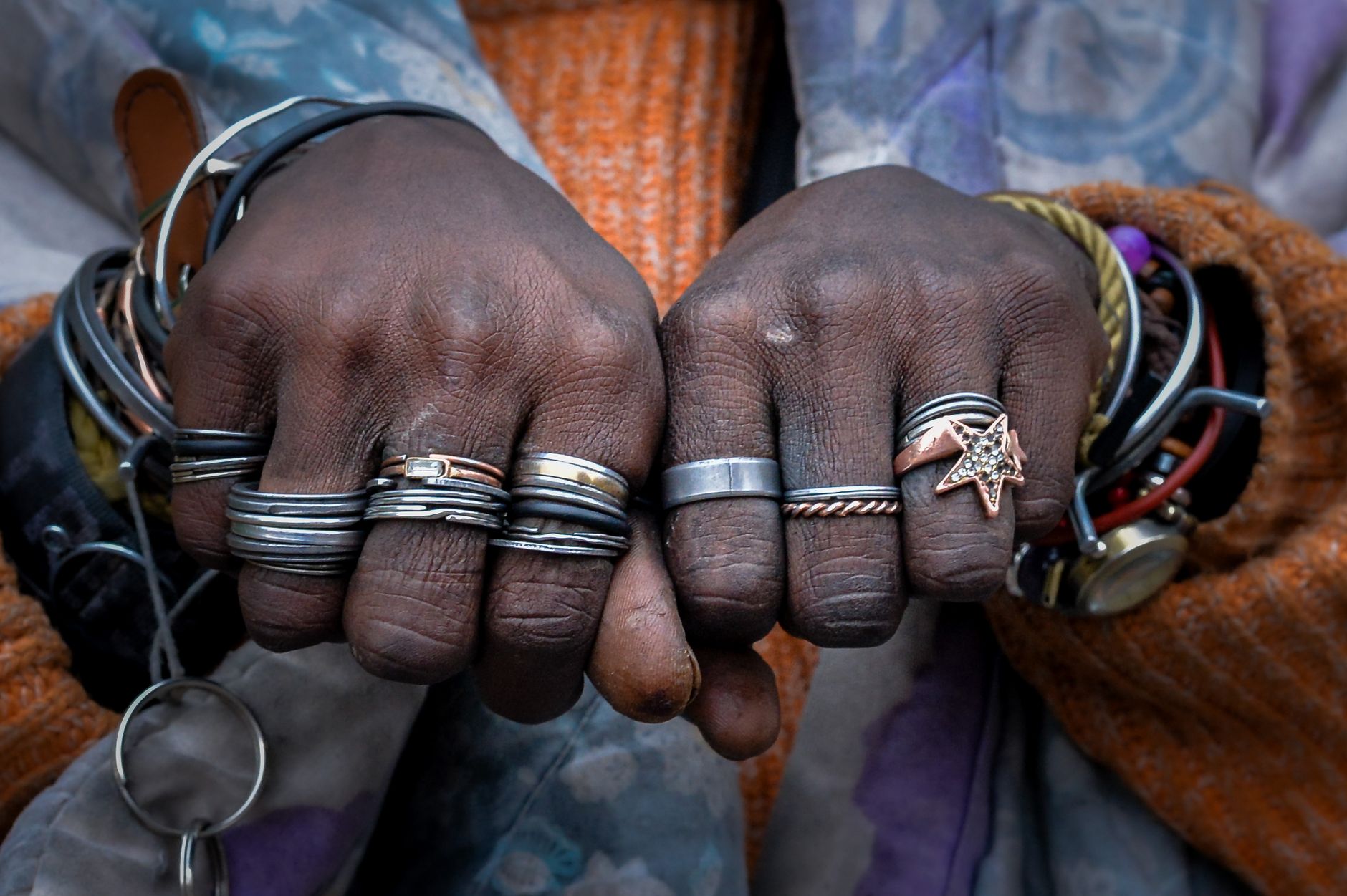
When it comes to choosing jewelry or beauty tools, one common concern among many people is whether materials like stainless steel can cause skin discoloration. While stainless steel is renowned for its durability and resistance to rust and tarnish, many still wonder: does stainless steel turn skin green? In this article, we will explore the science behind stainless steel, its potential to cause skin reactions, and practical tips for ensuring your skin remains healthy and radiant.
Understanding how various metals interact with your skin can help in selecting the right jewelry or tools. While there are instances where people experience skin discoloration, often it’s more about sensitivity to certain alloys or coatings rather than the stainless steel itself. Read on to discover the evidence behind these claims and what you need to know.
Does Stainless Steel Turn Skin Green?
In short, stainless steel typically does not turn skin green. The green discoloration often associated with jewelry is more commonly linked to metals like copper or certain alloys that contain nickel. Pure stainless steel, known as 316L or surgical stainless steel, is generally considered safe and hypoallergenic for everyday wear.
However, individual reactions may vary, and some people may be sensitive to certain alloys or finishes. If you find your skin is reacting, it could be due to a number of factors. Let’s dive deeper into the reasons why certain metals may discolor skin and how stainless steel fits into this picture.
What Causes Skin Discoloration?
Skin discoloration can occur for several reasons, most notably due to chemical reactions between the metal and the skin. Here are the primary culprits:
- Copper: Often used in jewelry, copper can react with sweat, moisture, or even certain skin care products to create copper salts, which can stain skin.
- Nickel: Commonly found in alloys, nickel can cause allergic reactions for some individuals, resulting in skin irritation and discoloration.
- Oxidation: Many alloys oxidize when exposed to air and moisture, leading to tarnishing or other chemical reactions that can stain the skin.
Understanding Stainless Steel Alloys
Stainless steel is an alloy primarily composed of iron, chromium, and nickel. There are different grades of stainless steel, and their compositions can influence their properties:
- 316L Stainless Steel: Also known as surgical stainless steel, this grade is highly resistant to corrosion, making it a popular choice for jewelry and body piercings.
- 304 Stainless Steel: Commonly used in kitchen products, this type may be less resistant to tarnishing compared to 316L.
The higher the nickel content, the greater the chance of causing allergic reactions or skin reactions for someone sensitive to nickel. However, the most popular jewelry-grade stainless steel, 316L, is designed to minimize such risks.
Who is Prone to Skin Discoloration?
While stainless steel is generally safe for most individuals, certain populations may be more prone to skin discoloration:
- Nickel Allergics: Individuals with known nickel allergies may experience reactions even from items labeled as “nickel-free” since trace amounts can still be present.
- People with Sensitive Skin: Those who frequently experience allergies or sensitivities to products may also be more likely to develop a reaction to certain metals.
- Environmental Influences: Factors such as high humidity and sweat can increase the likelihood of discoloration, regardless of the metal type.
Signs of Allergic Reactions
If you suspect you may be sensitive to a particular type of metal, here are some signs to look out for:
- Redness or rash on the skin
- Swelling or itchiness
- Flaky or dry skin where the jewelry or tool contacts the skin
How to Choose the Right Stainless Steel Products
When selecting stainless steel jewelry or beauty tools, consider the following tips to minimize the risk of skin discoloration:
- Look for High-Quality Grades: Always opt for 316L stainless steel or higher to ensure better resistance against corrosion and tarnishing.
- Avoid Cheap Imitations: Cheaper items may not be made from genuine stainless steel and can contain other metals that cause reactions.
- Check for Coatings: Some jewelry may be coated with additional materials that can lead to discoloration; ensure these are safe for your skin type.
Practical Tips for Prevention
Whether you’re wearing jewelry or using beauty tools made from stainless steel, here are practical steps to prevent skin discoloration:
- Keep Tools and Jewelry Clean: Regular cleaning helps remove sweat, lotions, and other residues that can cause reactions.
- Avoid Exposure to Water: Limit contact with water, especially in pools or hot tubs, which can accelerate tarnishing.
- Monitor Your Skin: Watch for any signs of irritation when trying new products and discontinue use if you notice changes.
- Avoid Direct Skin Contact: If you’re concerned, consider layering or using cloth barriers between your skin and the metal.
Maintenance of Stainless Steel Products
Keeping your stainless steel jewelry and tools in top condition can go a long way in preventing skin reactions:
- Cleaning: Use a mild soap and water solution with a soft cloth for cleaning.
- Dry Immediately: To prevent spots or tarnishing, dry items right after cleaning with a soft, lint-free cloth.
- Avoid Antibacterial Wipes: Some sheets can contain chemicals harmful to certain metal finishes.
Common Myths About Stainless Steel
There are several myths floating around about stainless steel and its effects on the skin:
- Myth: All Stainless Steel is the Same: In reality, there are many grades of stainless steel with varying levels of quality and safety.
- Myth: Stainless Steel is Completely Hypoallergenic: While 316L is hypoallergenic for most, individuals with severe sensitivities may still experience issues.
- Myth: Stainless Steel Can Rust: Real stainless steel doesn’t rust in normal conditions, though corrosion can occur if it’s exposed to extreme conditions.
What to Do if You Experience Skin Discoloration
If you find that your skin does react or discolor upon wearing stainless steel, here are steps you can take:
- Remove Jewelry or Tools: If you notice irritation, remove the product immediately to help prevent further reactions.
- Wash Affected Area: Clean the area with mild soap and water to remove any residues and soothe the skin.
- Apply a Gentle Moisturizer: Use a fragrance-free moisturizer to help calm the skin and restore moisture.
Alternatives to Stainless Steel
If you find stainless steel doesn’t agree with your skin, consider these alternatives:
- Gold or Platinum: Both are precious metals that typically cause fewer allergic reactions and are resistant to tarnishing.
- Silicone: A flexibly material often used in jewelry and tools that can be less irritating to the skin.
- Wood or Resin: These natural materials offer unique aesthetics and are generally safe for most skin types.
Final Thoughts
In conclusion, stainless steel, particularly high-grade options like 316L, is less likely to cause skin discoloration compared to other metals. However, individual sensitivities can play a significant role, making it essential to select quality products and maintain good hygiene practices. Always listen to your body’s responses, and remember, you’re not alone in your beauty journey.
As you explore your beauty options, consider checking other guides for insights on jewelry maintenance, skincare routines, and safe product selections. Remaining informed will empower you to make choices that keep your skin happy and healthy.