
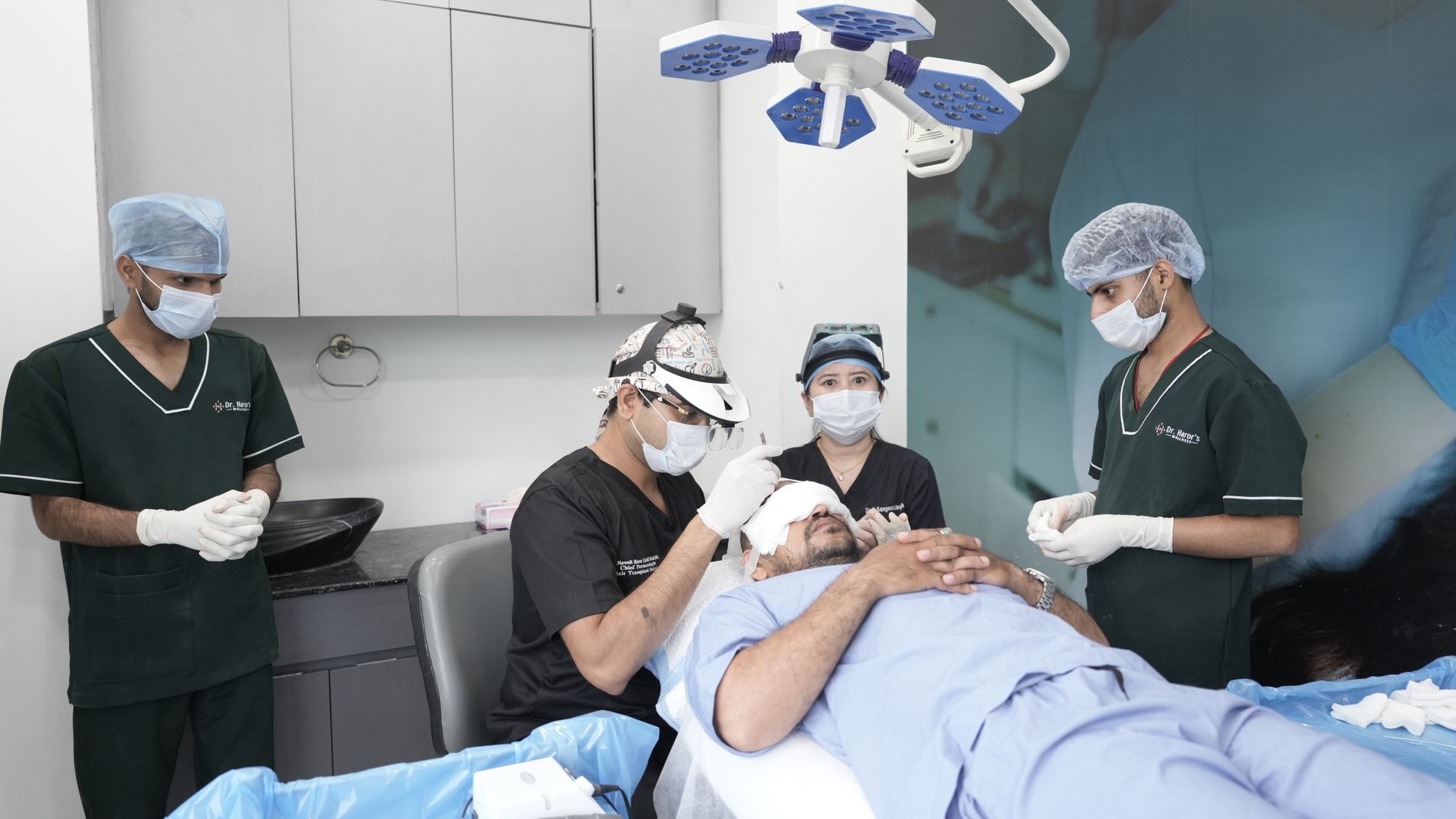
Hair transplants have become a popular solution for addressing hair loss, allowing individuals to regain their confidence and complete their look. However, many potential candidates wonder about the longevity of these hair restoration procedures. Understanding how long hair transplants last and how to care for them can significantly influence your decision-making process.
This guide will explore the longevity of hair transplants, what to expect during the recovery and growth phases, and essential care tips to ensure that your investment lasts as long as possible. Read on to discover everything you need to know about making the most of your hair transplant.
How Long Do Hair Transplants Last?
Hair transplants are typically a long-term solution for hair loss. Generally, the results of a hair transplant can last indefinitely, assuming you maintain proper hair care and your overall health remains stable. However, the actual lifespan of the transplanted hair may vary due to several factors, including genetics, lifestyle, and how you care for your hair post-procedure.
Immediately after the procedure, the transplanted hair may fall out within the first few weeks, a natural part of the hair growth cycle known as “shock loss.” What follows this initial loss is new hair growth, which will take several months to appear as the follicles enter their growth phase.
The Hair Growth Timeline Following a Transplant
Understanding the hair growth timeline after a transplant can help manage your expectations. Here’s a breakdown of the typical stages:
- Week 1-2: After the hair transplant, there may be redness, swelling, and scabbing around the donor and recipient areas. Some hair follicles may fall out during this period — a process known as shock loss.
- Month 1-3: After the initial shock loss, you may not see much new hair growth in the early months. This is completely normal as the transplanted hair follicles are adjusting to their new environment.
- Month 4-6: Around four months post-transplant, you should start to notice new hair growth. Initially, the hair may appear fine and thin, but it will gradually gain density and thickness.
- Month 6-12: Significant hair growth usually becomes visible within six months. By the end of the first year, most individuals can expect to see a more natural hairline and fuller appearance.
- Year 1-2: Over the following 1 to 2 years, the hair will continue to thicken and become more natural in appearance. Ultimately, you’ll achieve the final results of your hair transplant.
Factors Affecting Longevity
While hair transplants can last indefinitely, various factors can influence the quality and duration of results:
- Genetics: Family history of hair loss can affect the long-term success of your transplant. If you have a family history of baldness, you may experience hair thinning in non-transplanted areas.
- Lifestyle Choices: Poor nutrition, high-stress levels, smoking, and lack of exercise can potentially impact hair health.
- Hair Care Routine: The way you maintain your hair post-transplant plays a crucial role in the longevity of the results.
- Health Conditions: Conditions like hormonal imbalances or autoimmune diseases can affect hair growth and retention.
Post-Transplant Care Tips
Proper aftercare following a hair transplant is essential for ensuring long-lasting results. Here’s what you can do to maintain healthy hair post-procedure:
1. Follow Your Surgeon’s Guidelines
Each surgeon may provide specific aftercare instructions based on the procedure you undergo. It’s crucial to adhere to these guidelines for the best outcomes.
2. Minimize Physical Activity
Avoid strenuous activities or exercises that may induce sweating for at least a week after your transplant. Sweat can irritate the freshly transplanted area, leading to complications.
3. Be Gentle with Your Hair
For the first few weeks, avoid scratching or rubbing the scalp. Be gentle when washing and drying your hair. Your surgeon may recommend using a specific shampoo post-procedure.
4. Protect from Sun Exposure
Direct sunlight can irritate the scalp and affect healing. Wear a hat or use sunscreen to shield your head from UV rays during the recovery period.
5. Maintain Healthy Nutrition
A balanced diet rich in vitamins and minerals supports hair health. Focus on foods high in protein, iron, omega-3 fatty acids, and vitamins A, C, and E.
6. Use Non-Irritating Hair Products
Opt for mild, sulfate-free shampoos and conditioners that won’t irritate the scalp. Avoid harsh chemical treatments until your hair has fully healed.
7. Stay Hydrated
Drinking plenty of water helps maintain overall health and promotes optimal hair growth.
8. Avoid Smoking and Alcohol
Smoking and excessive alcohol consumption can hinder circulation and impede hair growth.
9. Regular Follow-Ups
Keep in touch with your surgeon and attend all follow-up appointments to monitor your progress and address any concerns promptly.
Signs of Complications to Monitor
While complications from hair transplants are rare, it’s essential to watch for specific signs that may indicate an issue:
- Increased redness or swelling in the transplant area after the first few days
- Pain or discomfort not relieved by over-the-counter pain medication
- Signs of infection, such as pus or fever
- Severe itching, especially if accompanied by rash or irritation
- Hair follicles not growing back after several months
If you experience any of these symptoms, contact your surgeon immediately for advice.
Realistic Expectations for Hair Restoration
Understanding what a hair transplant can and cannot do is crucial for setting realistic expectations:
- Successful hair transplants should give a natural-looking appearance.
- Results may vary based on individual factors, including genetic predisposition and overall health.
- Results usually peak between 12 and 18 months after the procedure.
- It’s natural to experience some thinning or loss of existing hair in non-transplanted areas, which may require additional treatments or transplants down the line.
Alternative Treatments to Consider
If a hair transplant isn’t suitable for you, there are alternative treatments for hair loss:
- Medications: Finasteride and minoxidil are FDA-approved medications that can help mitigate hair loss and promote growth.
- Low-Level Laser Therapy: Non-invasive treatments that use laser light to stimulate hair follicles.
- Scalp Micropigmentation: A cosmetic procedure to replicate the appearance of hair follicles for a denser look.
- Hairpieces or Wigs: For individuals looking for an instant solution, quality hairpieces or wigs can be suitable options.
Understanding the Cost of Hair Transplants
The cost of hair transplants can vary widely based on the clinic, location, and the techniques used. It is essential to consider the following factors:
- Technique: FUE (Follicular Unit Extraction) tends to be more expensive than FUT (Follicular Unit Transplantation).
- Number of Grafts: The more grafts needed, the higher the cost. A typical transplant may range from 1,500 to 4,000 grafts.
- Center Location: Urban centers may charge more than rural clinics, so it may be beneficial to research costs across different regions.
Making the Right Decision
Deciding whether a hair transplant is right for you involves careful consideration of various factors, including your hair loss pattern, desired outcomes, and budget. Consulting with a qualified hair restoration specialist can help you make an informed decision tailored to your individual needs.
Ultimately, hair transplants can last a lifetime with diligent care and maintenance. By understanding what to expect before, during, and after the procedure, and by adopting proper care techniques, you can enjoy your results for years to come.
If you’re considering a hair transplant or already have one, continue exploring related guides to enhance your overall beauty journey. Check out our posts on how long hair extensions last and how long it takes for hair to grow an inch for additional tips on maintaining and enhancing your hair’s beauty.