
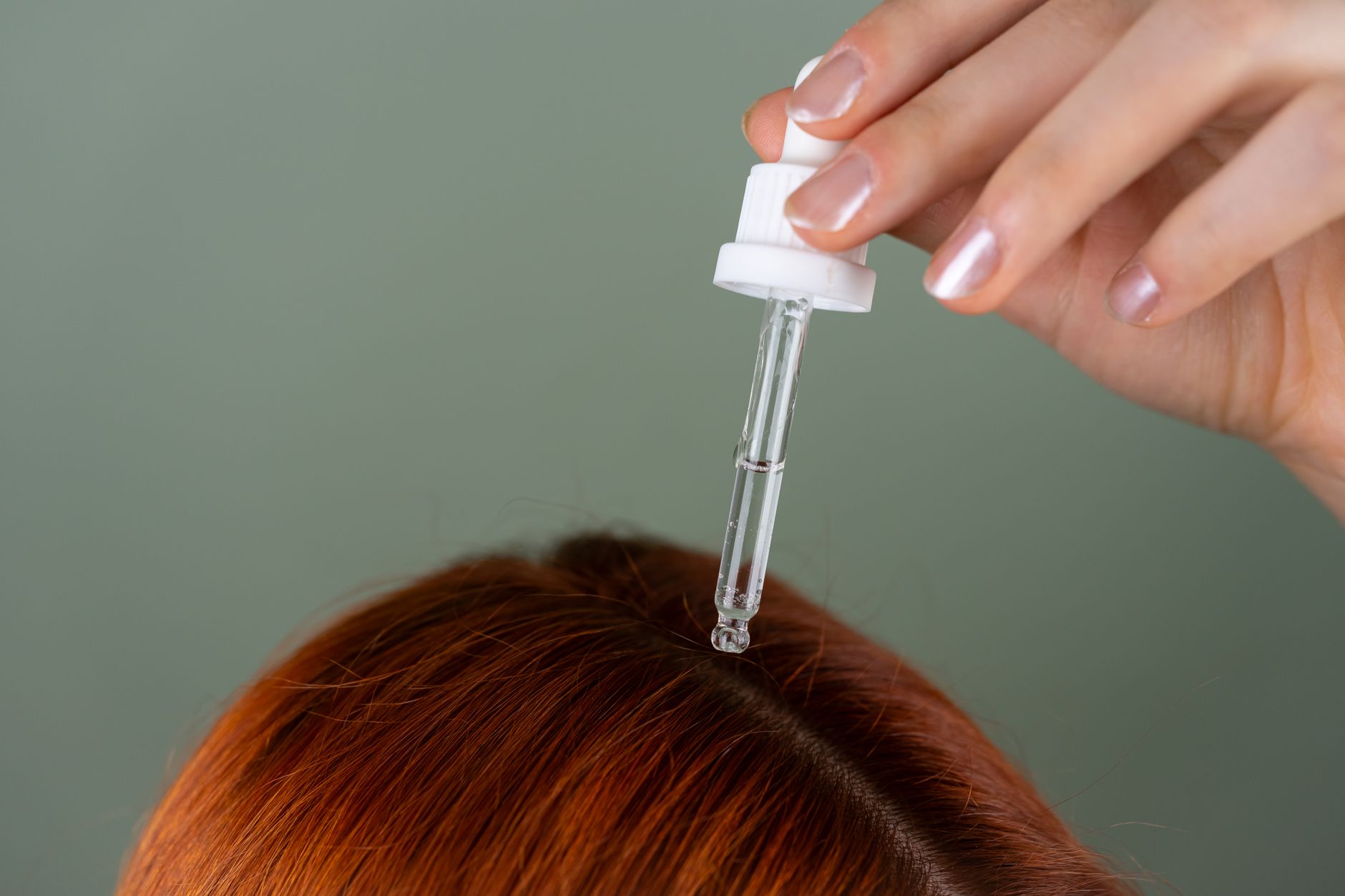
Many people experience a dry scalp at some point, which can lead to itching, flaking, and discomfort. Understanding how to fix a dry scalp is essential for maintaining scalp health, comfort, and beautiful hair. In this guide, we’ll explore simple fixes, preventive measures, and effective routines to help you achieve a well-nourished, hydrated scalp.
From identifying the root cause of your dry scalp to incorporating the right products and habits into your routine, we’ve got you covered. Let’s jump into how to fix that itchy, flaky scalp effectively!
How to Fix a Dry Scalp?
A dry scalp can be addressed through various approaches, including adjusting your hair and scalp care routine, using hydrating products, and optimizing your environment. Understanding your scalp’s needs and choosing suitable treatments will help restore moisture and relieve discomfort.
Understanding the Causes of a Dry Scalp
Before diving into solutions, it’s vital to understand what might be causing your dry scalp. Some common triggers include:
- Weather Conditions: Cold weather can strip moisture from your scalp.
- Hair Products: Some shampoos and hair treatments can be overly drying or irritating.
- Scalp Conditions: Issues like psoriasis or seborrheic dermatitis may cause dryness.
- Dehydration: Not drinking enough water can impact your skin and scalp health.
- Diet: A lack of essential fatty acids and vitamins can contribute to dryness.
Simple Fixes for a Dry Scalp
Here are effective and practical methods to help you combat a dry scalp:
1. Choose the Right Shampoo
Selecting a gentle, moisturizing shampoo is key to addressing dryness. Look for formulas that are free of sulfates and harsh chemicals that can strip your scalp of its natural oils.
- Consider shampoos with hydrating ingredients such as:
- Glycerin
- Aloe Vera
- Coconut Oil
- Argan Oil
2. Incorporate Conditioners Effectively
Don’t skip conditioner! A good conditioner adds moisture and helps prevent dryness.
- Look for products specifically labeled as hydrating or moisturizing.
- Apply conditioner generously, focusing on the scalp and roots, and leave it in for a few minutes before rinsing.
3. Try a Scalp Treatment
Scalp treatments can provide an extra layer of hydration.
- Look for oils or serums containing:
- Tea Tree Oil (antimicrobial properties)
- Jojoba Oil (mimics scalp’s natural oils)
- Rosemary Oil (stimulates circulation)
- Apply these treatments directly onto the scalp and gently massage in.
4. Exfoliate Your Scalp
Just as you exfoliate your skin, your scalp can benefit from exfoliation, helping to remove dead skin cells and product buildup.
- You can either use a dedicated scalp scrub or create your own with sugar and a carrier oil.
- Exfoliate once a week to avoid overdoing it.
5. Adjust Washing Frequency
Washing your hair too often can strip essential oils from your scalp. If you wash daily, consider reducing it to two or three times per week.
- Use dry shampoo in between washes to keep your hair looking fresh without additional washing.
6. Hydrate from Within
Drinking enough water is crucial for maintaining moisture in your body, including your scalp.
- Aim for at least 8 glasses of water daily, adjusting based on activity level and climate.
- Incorporate hydrating foods such as cucumbers, oranges, and leafy greens into your diet.
7. Use Humidifiers
If you live in a dry climate or are using heating during winter, a humidifier can help maintain moisture levels in your space.
- Place a humidifier in your bedroom to help hydrate your scalp while you sleep.
8. Avoid Hot Water
Hot showers can exacerbate dryness. Instead, wash your hair with lukewarm water.
- This helps to maintain natural oils on your scalp.
9. Choose the Right Hair Accessories
Be mindful of the accessories you use. Tight hairstyles can lead to scalp irritation.
- Opt for loose styles and avoid constant pulling on the hair follicles.
10. Don’t Overuse Styling Products
Avoid heavy styling products that can build up on the scalp and lead to dryness.
- If you must use them, aim for lightweight formulas that won’t weigh your hair down.
Prevention Tips to Maintain a Healthy Scalp
Once you’ve addressed your dry scalp issues, consistent care is key to prevention. Here are some tips to help keep your scalp hydrated:
1. Regular Scalp Massages
Massaging your scalp stimulates blood flow and can encourage oil production, which helps to keep it nourished.
- Use your fingertips to gently massage your scalp while applying your shampoo or conditioner.
2. Maintain a Healthy Diet
Diets rich in omega-3 fatty acids, vitamins A and E, and antioxidants contribute to healthy scalp and hair.
- Incorporate foods like salmon, walnuts, avocados, and colorful fruits and vegetables.
3. Limit Chemical Treatments
Chemical treatments such as hair dyes, relaxers, or perms can dry out the scalp.
- Whenever possible, opt for gentler formulations and give your scalp time to recover between treatments.
4. Protect Your Scalp from UV Rays
Just as you protect your skin from sun damage, your scalp deserves the same attention.
- Wear a hat when in direct sunlight, or use hair products with SPF.
5. Regularly Clean Hair Tools
Tools such as brushes and combs can gather product buildup, which can irritate the scalp.
- Regularly clean your hair tools with soap and water to keep them free from residue.
Recognizing When to Seek Professional Help
While many cases of dry scalp can be managed with home remedies and adjustments to your routine, sometimes it’s necessary to consult a professional. Consider seeing a dermatologist if you experience:
- Persistent dryness or itching that doesn’t improve.
- Redness, swelling, or sores on your scalp.
- Severe flaking that looks more like plaque or scales.
These may indicate underlying conditions that require specialized care.
Key Ingredients for Combatting Dry Scalp
When selecting products for your hair and scalp, pay attention to specific ingredients known for their hydrating properties. Here’s a list of beneficial ingredients to consider:
- Hyaluronic Acid: Known for its ability to retain moisture, helping to hydrate the scalp.
- Shea Butter: Provides intense hydration and can soothe an irritated scalp.
- Vitamin E: Offers antioxidant protection while supporting scalp health.
- Panthenol: A form of Vitamin B5 that adds moisture and smoothes hair.
Final Thoughts and Consistency Is Key
Maintaining a healthy scalp requires consistency in your routines and product choices. Focus on hydration, gentle care, and prevention to minimize dryness.
Whether you’re trying shampoos, scalp massages, or increasing your water intake, it may take some time to see significant differences. The key is to be patient, stay committed, and listen to your scalp’s needs.
To jumpstart your journey toward a healthy scalp, start incorporating these effective fixes and prevention tips into your routine today. Soon enough, you’ll be enjoying a flake-free, comfortable scalp!
If you’re looking to explore more beauty and care tips, check out how to moisturize your scalp or dive into ways to stop an itchy scalp.