
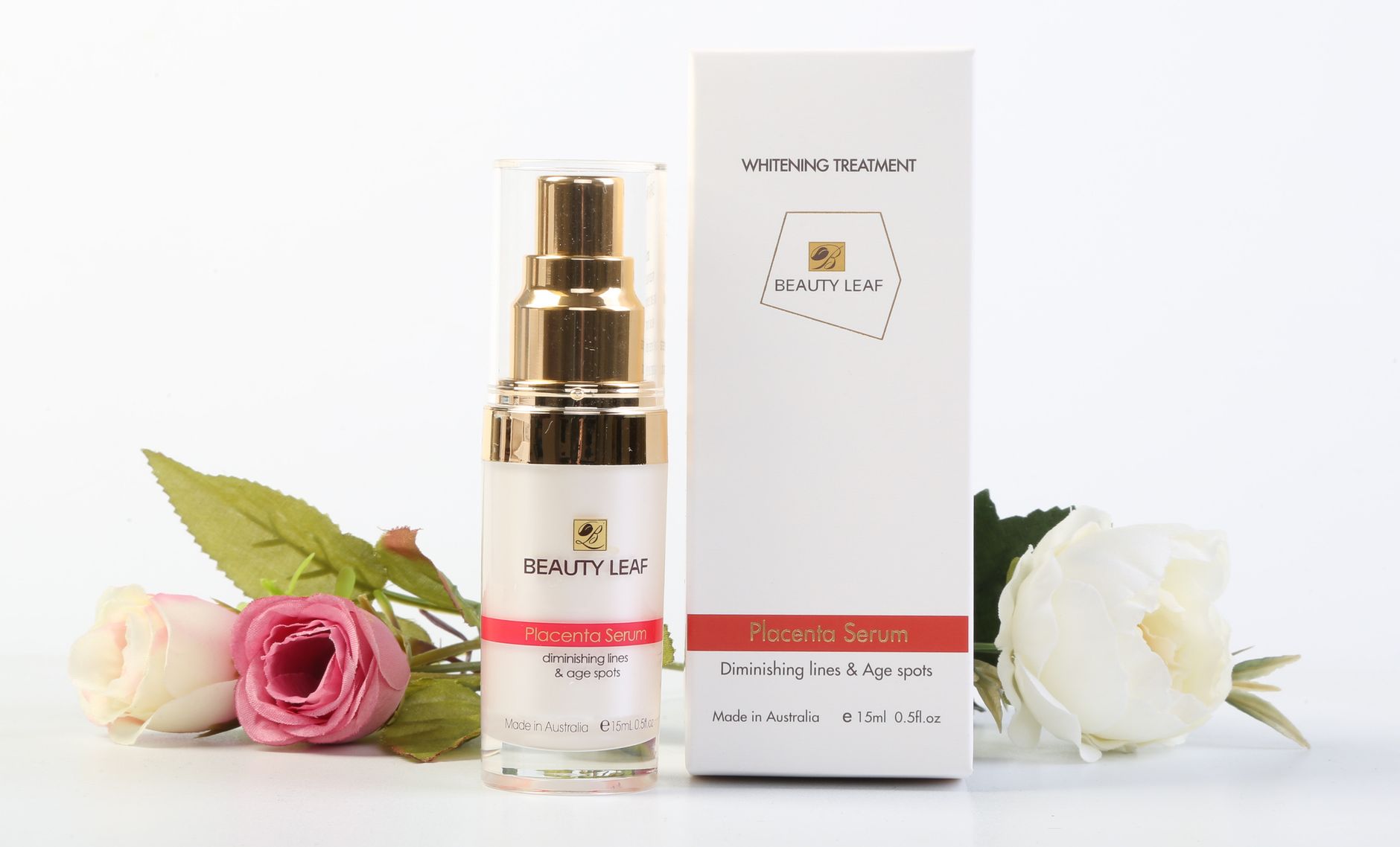
Dark spots, also known as hyperpigmentation, can be a common skin concern affecting people of all skin types and tones. These spots can arise from various factors, including sun exposure, aging, and acne scars. Understanding how to effectively address dark spots involves recognizing their causes and exploring treatment options that suit your skin type.
This guide will provide you with an overview of the causes of dark spots and practical solutions to help you achieve a more even skin tone. Whether you’re dealing with sun spots, post-inflammatory hyperpigmentation, or other forms of skin discoloration, you’re in the right place.
How to Get Rid of Dark Spots (Causes & Treatment Options)
To effectively get rid of dark spots, it is crucial to understand what causes them and the various treatment options available. Below, we will explore primary causes of dark spots and multiple approaches to address them.
What Causes Dark Spots?
Dark spots can develop due to a variety of reasons, and understanding these causes is essential to treating them effectively.
1. Sun Exposure
Excessive sun exposure is a leading cause of dark spots. Ultraviolet (UV) rays stimulate melanin production, resulting in uneven skin tone. This is often seen in areas most exposed to sunlight, like the face, hands, and shoulders.
2. Hormonal Changes
Hormonal fluctuations, particularly during pregnancy or hormonal therapy, can also lead to dark spots, known as melasma. This condition presents as brown or gray-brown patches on the face and typically affects women more than men.
3. Post-Inflammatory Hyperpigmentation
After an injury to the skin, such as acne lesions or eczema, dark spots may appear in the affected area. This condition is known as post-inflammatory hyperpigmentation and can affect individuals of all skin tones.
4. Aging
As we age, the skin’s ability to regenerate decreases, and sun damage can accumulate over time, leading to liver spots or age spots. These are small, flat brown spots that generally appear on sun-exposed areas of the skin.
5. Genetics
Some individuals are more genetically predisposed to hyperpigmentation. If your family has a history of dark spots, you might also be more prone to developing them.
Treatment Options for Dark Spots
Now that we understand what causes dark spots, let’s explore various treatment methods catering to different skin types.
1. Sun Protection
The first step in preventing and treating dark spots is sun protection. Using a broad-spectrum sunscreen with at least SPF 30 daily helps prevent further darkening of existing spots and the development of new ones. Consider the following:
- Apply sunscreen every morning, even on cloudy days.
- Use sunscreen that contains zinc oxide or titanium dioxide for better protection.
- Reapply every two hours, especially after sweating or swimming.
- Wear protective clothing and sunglasses when outdoors.
2. Topical Treatments
Many effective topical treatments can help reduce the appearance of dark spots. Here are some of the most popular options:
A. Vitamin C
Vitamin C is an antioxidant that helps brighten the skin tone and reduce the formation of dark spots. Look for serums containing L-ascorbic acid or magnesium ascorbyl phosphate.
B. Retinoids
Retinoids, derived from vitamin A, promote cell turnover and can help fade dark spots over time. They are available in both over-the-counter and prescription forms.
C. Hydroquinone
Hydroquinone is a skin-lightening agent that can reduce the appearance of dark spots. It’s available in over-the-counter products or stronger, prescription forms.
D. Alpha Hydroxy Acids (AHAs)
AHAs, such as glycolic acid and lactic acid, gently exfoliate the surface of the skin and help fade dark spots. They can be found in cleansers, toners, and serums.
E. Niacinamide
Niacinamide (Vitamin B3) is known for its anti-inflammatory properties and can help lighten hyperpigmentation while also improving skin texture.
3. Professional Treatments
If at-home treatments are not yielding the desired results, consider seeking professional treatments. Here are some options:
A. Chemical Peels
Chemical peels involve applying a chemical solution to the skin that exfoliates the upper layers. This process can improve the appearance of dark spots and promote an even skin tone.
B. Laser Therapy
Laser treatments can target pigmentation more precisely and are effective for dark spots. Different types of lasers are used for various skin types and concerns, so it’s essential to consult a professional.
C. Microdermabrasion
This exfoliating treatment removes the outer layer of dead skin cells, helping to lighten dark spots and improve skin texture.
D. Microneedling
Microneedling creates tiny wounds in the skin to promote collagen production and improve skin texture, leading to a more even skin tone.
4. Natural Remedies
If you prefer a more natural approach, there are various home remedies that may help fade dark spots over time, although results may vary:
- Lemon juice: Known for its natural bleaching properties, it should be applied cautiously as it can cause irritation.
- Aloe vera: This soothing plant may help in reducing pigmentation due to its anti-inflammatory properties.
- Green tea extract: Rich in antioxidants, applying green tea extract can help provide a more even skin tone.
- Apple cider vinegar: Its acidity may promote exfoliation, but it should be diluted and used with caution.
Creating a Routine to Address Dark Spots
To effectively tackle dark spots, establishing a consistent skincare routine is key. Here’s a simple morning and evening routine to help you address pigmentation concerns:
Morning Routine
- Cleanser: Start with a gentle cleanser suitable for your skin type to remove impurities.
- Antioxidant Serum: Apply a Vitamin C serum to help brighten your complexion and protect against free radicals.
- Moisturizer: Use a lightweight moisturizer to hydrate your skin.
- Sunscreen: Finish with a broad-spectrum sunscreen of at least SPF 30.
Evening Routine
- Cleanser: Again, use a gentle cleanser to remove makeup and impurities.
- Targeted Treatment: Incorporate treatments like retinoids, niacinamide, or hydroquinone based on your preference.
- Moisturizer: Apply a nourishing moisturizer to hydrate and replenish the skin.
Common Mistakes to Avoid
When trying to reduce dark spots, certain mistakes can hinder your progress. Here are some common pitfalls to avoid:
- Neglecting sunscreen: Failing to use sunscreen daily can lead to further darkening of existing spots.
- Being too aggressive: Over-exfoliation or excessive use of actives can irritate the skin and worsen pigmentation.
- Skipping patience: Consistency is key; fading dark spots takes time, and instant results are unlikely.
- Layering incompatible products: Mixing potent ingredients without proper knowledge can lead to irritation.
Realistic Expectations
While many products and treatments can significantly reduce the appearance of dark spots, it is essential to have realistic expectations. Dark spots typically do not disappear overnight. Depending on the severity and cause, it may take weeks to months before you see noticeable improvement.
Additionally, everyone’s skin reacts differently. Some may see results sooner than others, and it might take time to find the most effective treatment for your skin type.
Conclusion
Getting rid of dark spots can be a gradual process, but with the right understanding of their causes, effective treatment options, and a solid skincare routine, it is entirely possible to achieve a more even skin tone. Start by prioritizing sun protection and gradually introducing treatments that suit your skin type.
Consider taking a small step today by incorporating sunscreen into your daily routine or exploring topical treatments that appeal to you. Remember, consistency is key, and you’re on the path to clearer skin.
If you’re interested in learning more, explore our detailed guides on hyperpigmentation and discover effective methods for removing acne scars naturally.