
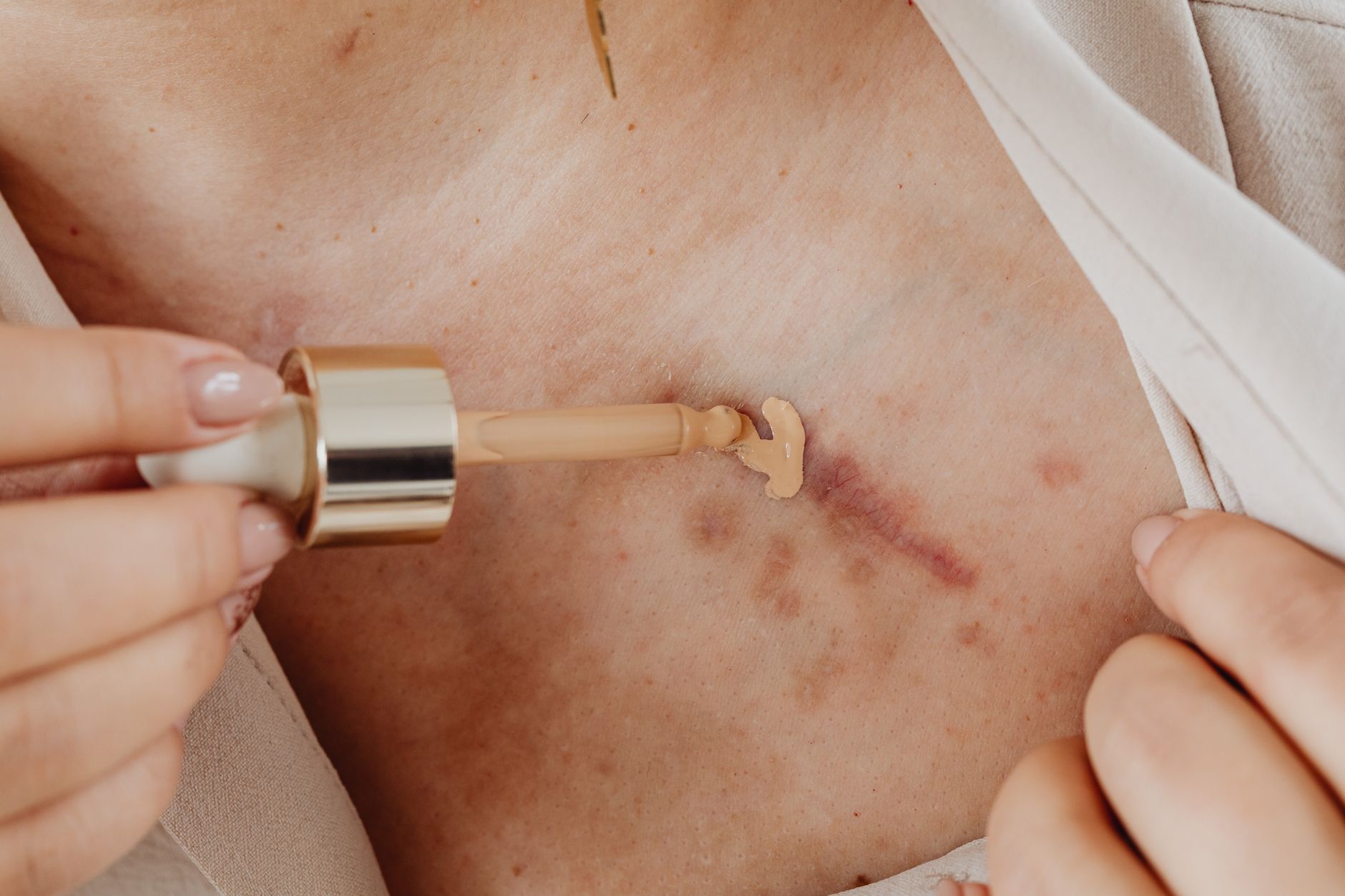
Hickeys, those unwanted love bites, can be a source of embarrassment and the need for quick solutions. Whether it happened during an intimate moment or as a playful gesture, knowing how to get rid of a hickey effectively is essential. This guide offers practical care tips, makeup strategies, and more to help you tackle that pesky bruise.
In this article, we’ll explore various methods for reducing the appearance of hickeys and provide you with practical advice on concealing them when needed. From natural remedies to makeup techniques, let’s help you feel confident and ready to face the world again.
How to Get Rid of Hickey (Fast Cover-Up & Care Tips)
To get rid of a hickey quickly, you can use a mix of home remedies and clever makeup techniques. One key approach involves reducing swelling and promoting healing through gentle care. Additionally, using makeup can effectively camouflage the mark until it fades naturally. Combining these methods can significantly reduce the time you need to hide a hickey.
Understanding Hickeys: What Are They?
A hickey occurs when small blood vessels, known as capillaries, break under the skin, leading to bruising. This results from suction or pressure applied to the skin. While completely harmless, they can take time to heal, usually around 5 to 14 days, depending on many factors, including skin type and care. Knowing this can help set realistic expectations for how long you’ll need to address the issue.
Home Remedies for Reducing Hickeys
If you want to reduce the appearance of a hickey quickly, there are various home remedies that may help. While results can vary per individual, trying these methods can promote healing and minimize the mark’s visibility:
1. Cold Compress
Applying a cold compress helps reduce swelling and constrict blood vessels, limiting further bruising.
- Wrap a few ice cubes in a clean cloth or use a commercial cold pack.
- Apply it to the hickey for 10-20 minutes at a time, several times a day during the first 48 hours.
2. Warm Compress
After the initial 48 hours, switching to a warm compress can increase blood flow and help break down the blood trapped under the skin.
- Once the swelling has gone down, soak a clean cloth in warm (not hot) water.
- Apply it directly to the hickey for 10-20 minutes, a few times daily.
3. Aloe Vera
Aloe vera has soothing properties and can promote skin healing.
- Apply fresh aloe vera gel to the hickey and gently massage it into the area.
- Leave it on for 30 minutes or allow it to dry before rinsing.
- Repeat every day until you notice improvement.
4. Vitamin K Cream
Vitamin K is known for its role in skin healing and may help speed up recovery time.
- Look for creams containing vitamin K at your local pharmacy.
- Apply a small amount to the hickey twice a day, following the product instructions.
5. Arnica Gel
Arnica is a popular herbal remedy that can help reduce bruising and swelling.
- Apply a thin layer of arnica gel to the affected area according to the product directions.
- Use it several times a day until the hickey fades.
6. Bananas
Interestingly, ripe bananas can help due to their natural properties.
- Peel a banana and gently massage the inner peel against the hickey for about 15 minutes.
- The bromelain in it may help to reduce inflammation.
Makeup Techniques to Cover Up a Hickey
If you need a quick cover-up for a hickey, makeup can be your best friend. Here’s how to effectively camouflage a bruise:
1. Primer
Start with a good primer to help your makeup adhere better and provide a smooth base.
- Choose a color-correcting primer in green or yellow tones. Green reduces redness, while yellow can warm and neutralize the bruise’s blue or purple color.
2. Color Corrector
Using a color corrector can further balance the discoloration of the hickey.
- Use a green-tinted color corrector to counteract any red tones.
- Apply a small amount to the hickey using a clean makeup sponge or your fingertip.
- Blend until seamless and allow it to set.
3. Concealer
Next, apply concealer to further mask the mark.
- Choose a concealer that matches your skin tone, making sure it’s thick enough to provide good coverage.
- Gently pat the concealer over the hickey using your finger or a sponge.
- Blend the edges carefully for a seamless appearance.
4. Foundation
Foundation can help even out your skin tone over the area.
- Select a foundation that matches your skin’s undertone and apply it over the concealer.
- Use a makeup sponge to blend the foundation seamlessly into your skin.
5. Setting Powder
To ensure your makeup stays put, apply a translucent setting powder to lock everything in place.
- Using a fluffy brush, dust the setting powder lightly over the hickey.
- This helps absorb excess oil and keeps your makeup looking fresh and intact.
6. Finish with Setting Spray
Setting spray can add an extra layer of security to keep your makeup looking flawless.
- Hold the setting spray about six inches from your face and mist lightly.
- Allow it to dry naturally for the best results.
Additional Care Tips for Healing a Hickey
Taking care of your skin and your body while healing from a hickey can help speed up the recovery process. Here are some additional tips:
- Stay Hydrated: Drink plenty of water to promote overall skin health.
- Avoid Touching: Refrain from picking at or rubbing the hickey, as this can cause further injury to the skin.
- Nutrition: Eating foods rich in vitamin C (like oranges and strawberries) and vitamin E (found in nuts and seeds) can support skin healing.
- Patience: Give your skin the time it needs to heal naturally. Avoid any excessive pressure in the area during this time.
Common Mistakes to Avoid
When dealing with hickeys, there are a few common pitfalls you may want to avoid:
- Using Heat Too Early: Applying heat too soon can exacerbate swelling. Don’t switch to warmth until 48 hours have passed.
- Ignoring Skin Sensitivities: Always perform a patch test with topical treatments to ensure you don’t irritate your skin further.
- Overusing Makeup: Applying too much product can lead to a cakey appearance. Use thin layers instead of heavy applications.
- Being Impatient: Remember that hickeys take time to heal. Trying too many treatments at once may not be effective and could irritate your skin.
When to Consult a Professional
While hickeys are generally mild, seek medical advice if you notice any of the following:
- The bruise consistently grows in size or appears unusual.
- You experience significant pain, swelling, or discoloration not typical for a hickey.
- Signs of infection, such as pus, fever, or increased redness.
Conclusion
Hickeys may be unavoidable, but knowing how to manage and reduce their appearance can make all the difference. Use gentle care techniques, natural remedies, and makeup strategies to help you feel comfortable and confident. Remember, patience is key—allow your body time to heal without feeling pressured to find immediate results. The next time you get a hickey, you’ll be fully equipped to handle it and know how to address it like a pro.
For more beauty tips and tricks, consider exploring our other guides on skincare routines, makeup techniques, or natural remedies for various beauty concerns. Stay informed and empower your beauty journey!