
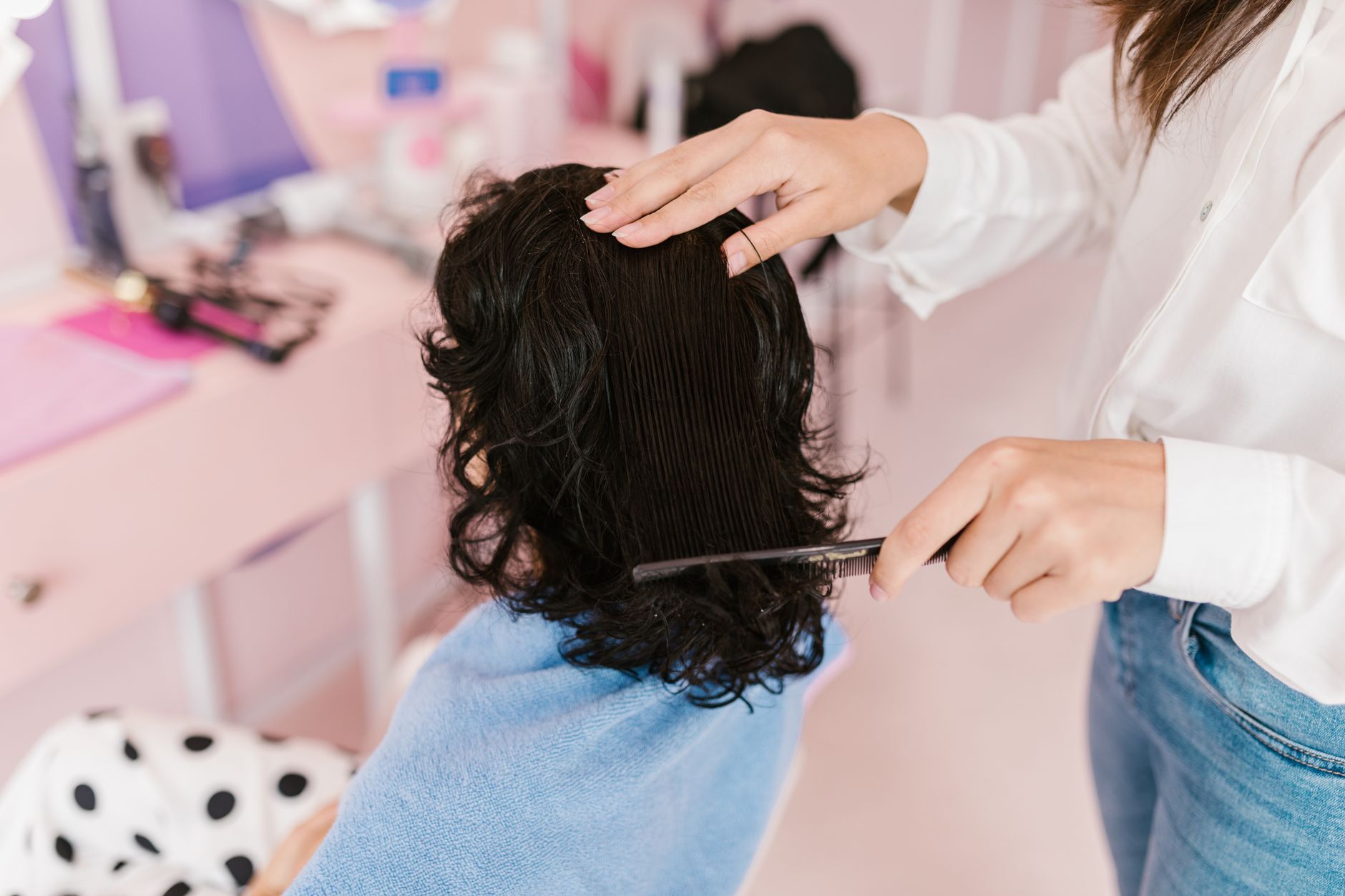
Layering hair can breathe new life into your locks, adding movement and dimension. This technique works well for all hair types, whether straight, wavy, or curly. Understanding how to layer hair properly is essential, as it can highlight your features and transform your overall look.
In this guide, we will explore the step-by-step process of layering hair at home, common pitfalls to avoid, and the types of hairstyles that benefit most from layers. Let’s dive into how to give your hair that stunning layered effect!
How to Layer Hair?
Layering hair involves cutting different lengths into your locks to create depth and texture. To layer hair successfully, you’ll benefit from having the right tools, proper technique, and awareness of your hair type. Below are the essential steps to follow for effective layering.
Essential Tools for Layering Hair
Before you start layering, gather the right tools. Here’s what you’ll need:
- Sharp hair cutting scissors or shears
- Hair comb
- Hair clips
- Spray bottle with water
- Mirror
- Hairdryer (for styling afterward)
Step-by-Step Guide to Layering Hair
Layering your hair at home can be achieved by following these simple steps:
- Preparation: Start with clean, dry, and styled hair. A good quality cut will show better with hair that has been washed and dried properly. If your hair tends to frizz, you may want to style it beforehand to manage texture.
- Section Your Hair: Use the comb to divide your hair into sections. Clip away the upper layers and only work with the lower layers first. Typically, separating your hair into four sections (two in the front and two at the back) will make layering easier.
- Determine the Length of Layers: Decide how much shorter you want your layers to be. For a subtle look, keeping the layers around 1-2 inches shorter than the base length is optimal. For more dramatic results, feel free to go up to 4 inches shorter.
- Start Cutting:
- Take a section of hair from the first layer you are working on.
- Hold it between your fingers, and elevate it at a 45-degree angle away from your head.
- Begin cutting at the point where you want your layers to end. Remember to cut in small increments — it’s better to take off too little than too much!
- Continue Layering: Unclip the next layer of hair and repeat the cutting process. Be sure to blend the transitions between layers so that they flow into each other smoothly. One method is cutting in a “point cutting” technique, where you cut vertically into the ends of the hair rather than straight across.
- Check for Symmetry: After cutting each layer, comb through your hair and check for any uneven areas. If necessary, return to the previous sections you worked on and make subtle adjustments.
- Final Touches: Once you’re satisfied with the layers, style your hair as desired. This might involve blow-drying, straightening, or curling your hair. Pay attention to how the layers change the overall look and adjust your styling technique accordingly.
Common Mistakes When Layering Hair
Even seasoned pros can make errors when layering hair. Here are some common mistakes to avoid:
- Cutting Too Much Hair: It’s easy to get carried away when you see the transformation happening. Always cut less initially; you can go back for more if needed.
- Inefficient Sectioning: Not sectioning your hair correctly can lead to uneven layers. Ensure each section is well-defined and clipped securely away.
- Improper Elevation: Holding hair at the wrong angle can affect the layering’s outcome. Ideally, the hair should be elevated at 45 degrees for a more natural look.
- Neglecting to Blend: Failing to blend between layers can result in harsh lines that look unintentional. Use point cutting to help soften transitions.
- Not Considering Hair Type: Understanding how different textures respond to layering is essential. For instance, fine hair may look choppy with too many layers, while thick hair can handle heavier layers.
Choosing the Right Type of Layers for Your Hair
Understanding what type of layers suit your hair can make your final look even better.
For Straight Hair:
Straight hair layers can add volume and movement. Long, soft layers with a slight face-framing aspect work beautifully.
For Wavy Hair:
This textures benefit most from medium to long layers that enhance natural waves. Opt for softer layers that complement the wave’s natural flow.
For Curly Hair:
When layering curly hair, avoid cutting too short. Long layers maintain the bounce and shape of curls, while shorter cuts can lead to an unwanted triangle shape.
Maintenance of Layered Hair
Once you have successfully layered your hair, it’s essential to maintain its health. Here are some tips:
- Regular Trims: Schedule trims every 6-8 weeks to keep layers looking fresh and prevent split ends.
- Use the Right Products: Invest in shampoos and conditioners that suit your layering style — this often means hydrating and volumizing products.
- Heat Protection: If you style your hair regularly with heat, use heat protection sprays to prevent damage.
How to Add Volume to Layered Hair
If you’re looking for ways to enhance volume in layered hair, consider these techniques:
- Blow-drying Upside Down: This simple trick can add lift at the roots.
- Use a Texturizing Spray: After styling, apply a texturizing spray to increase volume.
- Consider a Root Booster: Products designed specifically for boosting volume at the roots are perfect for layered cuts.
Conclusion
Layering hair can create beautiful movement and texture, giving you a fresh look that enhances your natural features. By following the proper steps and being mindful of common mistakes, you’ll be able to achieve a look you’ll love. Take your time with the process, and remember that practice makes perfect.
Now that you know how to layer hair, you might want to explore more about how to cut layers in hair or learn how to add volume to hair. Happy styling!