
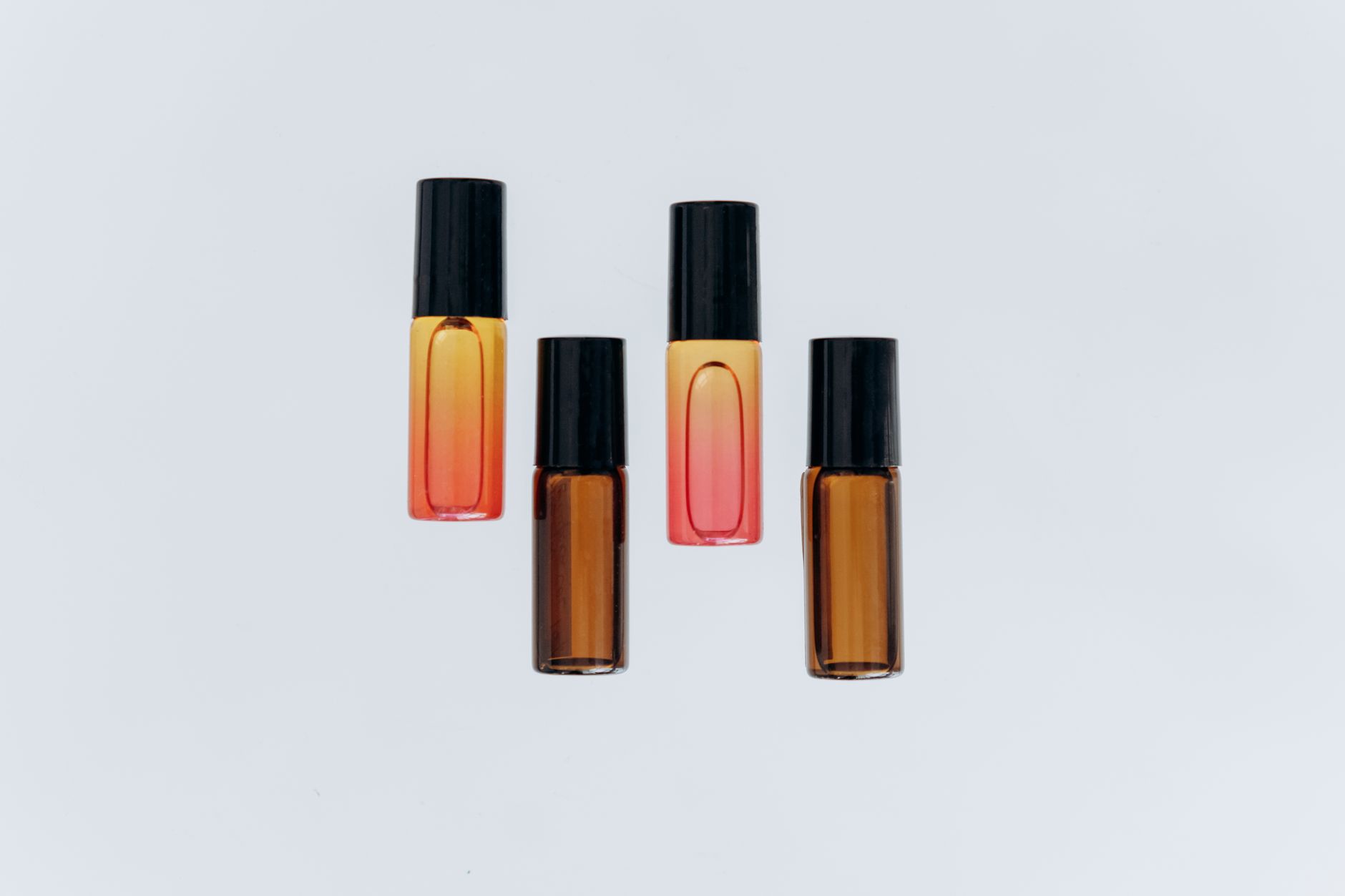
Essential oils have gained popularity in the beauty industry for their aromatic properties and potential benefits for skin, hair, and overall well-being. Learning how to mix essential oils allows you to harness their power effectively. This guide will explore blending ratios, safety tips, and practical techniques to create personalized essentials oils blends.
Whether you’re interested in enhancing your skincare routine, making your own hair care products, or simply enjoying the delightful fragrances of essential oils, understanding how to mix these potent liquids is essential. From beginner-friendly recipes to specific guidelines, this article will provide you with all the information needed to confidently create your own essential oil blends.
How to Mix Essential Oils?
Mixing essential oils involves combining different oils to create a synergistic blend that can enhance their individual properties. This can be done using specific blending ratios to ensure effectiveness while considering safety guidelines to avoid irritation. Here’s how to get started.
Understanding Essential Oils
Essential oils are concentrated extracts from plants, capturing their natural fragrance and properties. Each oil has unique characteristics that can influence its blending capabilities:
- Lavender: Known for its calming and soothing properties, it blends well with citrus and floral oils.
- Peppermint: Offers a refreshing scent and invigorating feel; pairs well with eucalyptus and lemon oils.
- Tea Tree: Renowned for its antibacterial properties, effective with citrus and earthy oils.
- Rosemary: Stimulates hair growth and blends beautifully with mint and citrus.
Choosing Your Essential Oils
When selecting essential oils, consider the purpose of your blend. Here are some guiding factors:
- Desired Effects: Identify what you want from your blend, such as calming, uplifting, or antimicrobial properties.
- Skin Type: Choose oils suitable for your skin type. For example, tea tree oil may benefit oily skin, while lavender can soothe dry skin.
- Fragrance Preferences: Consider how the scents complement each other; some oils can overpower others, leading to an unbalanced blend.
- Plant Source: Ensure your oils are sourced from reputable suppliers for purity and quality.
Blending Ratios
Understanding blending ratios is crucial for creating effective essential oil mixtures. This section will outline common ratios and provide insight into proper measurements.
Basic Ratios
A good starting point is the following common blending ratios:
- For Facial Blends: Use a general ratio of 1-2% essential oil to carrier oil.
- For Body Blends: Aim for 2-4% essential oil concentration in carrier oils.
- For Diffusers: Typically, add 5-10 drops of essential oil per 100 ml of water.
Calculating Ratios
Here’s how to calculate essential oil ratios:
- Determine your total volume for the blend (in ml).
- Multiply the total volume by the desired percentage of essential oil.
- For example, if you’re making a 50 ml blend at 2%: 50 ml x 0.02 = 1 ml of essential oil.
This calculation helps achieve the right strength for your needs without overwhelming the mixture.
Mixing Essential Oils: A Step-by-Step Guide
Mixing essential oils can be a simple and enjoyable process. Follow these steps for a successful blend:
- Choose Your Essential Oils: Select 2-4 essential oils based on desired effects and fragrance.
- Determine Your Ratios: Use the previously discussed ratios to calculate how much of each oil you’ll need.
- Gather Tools: Equip yourself with a glass dropper, mixing bowl, and a dark-colored glass bottle for storage.
- Mix the Oils: Start with the base oil, then add essential oils one by one, swirling gently after each addition.
- Test and Adjust: Smell the blend and adjust as necessary by adding more of a particular oil.
- Store Properly: Bottle your blend in a dark glass container to protect it from light and extend its shelf life.
Safety Tips When Working with Essential Oils
Safety should always come first when mixing and using essential oils. Pay attention to the following guidelines:
- Patch Test: Always perform a patch test on a small area of skin before applying a new blend to check for any adverse reactions.
- Proper Dilution: Never apply undiluted essential oils directly to the skin.
- Quality Source: Purchase essential oils from reputable brands that provide clear ingredient sourcing and purity information.
- Avoid Certain Oils: Some oils are not recommended for pregnant or nursing individuals, children, or pets. Always research or consult an expert before use.
- Store Safely: Keep essential oils out of reach of children and pets, and store them in a cool, dark place.
Common Mistakes to Avoid
To ensure a successful experience with essential oils, be mindful of these common pitfalls:
- Inaccurate Measurements: Using too much essential oil can lead to irritation. Stick to recommended ratios.
- Neglecting Carrier Oils: Skipping carrier oils can diminish the safety and effectiveness of the blend.
- Not Considering Individual Sensitivities: Different skin types react differently to essential oils. Always consider personal sensitivities before use.
- Assuming All Oils Mix Well: Some essential oils may clash, creating an unpleasant scent; always test combinations.
Creating Your Own Essential Oil Blends
Now that you have a solid understanding of mixing essential oils, it’s time to put your knowledge to the test! Here are a few blend ideas you can easily create:
Calming Lavender Blend
- 10 drops Lavender Essential Oil
- 5 drops Frankincense Essential Oil
- 3 drops Ylang Ylang Essential Oil
- 10 ml Carrier Oil (e.g., Jojoba or Sweet Almond Oil)
This soothing blend is perfect for promoting relaxation, making it ideal for evening use.
Uplifting Citrus Blend
- 8 drops Lemon Essential Oil
- 5 drops Sweet Orange Essential Oil
- 3 drops Peppermint Essential Oil
- 10 ml Carrier Oil
The refreshing aroma of this blend is great for boosting mood and energy during the day.
Invigorating Hair Blend
- 8 drops Rosemary Essential Oil
- 5 drops Peppermint Essential Oil
- 5 drops Cedarwood Essential Oil
- 10 ml Carrier Oil
This invigorating blend may help promote healthy hair and scalp. Gently massage it into the scalp before washing.
Utilizing Essential Oil Blends in Your Routine
Now that you’ve mixed your essential oil blends, you can incorporate them into various beauty routines:
Skin Care
- Facial Serum: Add a few drops of your essential oil blend to your moisturizer or serum.
- Bath Soak: Mix essential oils with Epsom salt for a relaxing bath soak.
Hair Care
- Scalp Massage: Use your invigorating hair blend during scalp massages to enhance circulation.
- Conditioner Boost: Add a few drops to your conditioner for added nourishment.
Home Fragrance
- Diffuser: Use your freshly made blends in a diffuser for a pleasant home aroma.
- Candles: Mix some essential oils into homemade candles for an added scent.
Conclusion
Mixing essential oils is a rewarding way to create personalized beauty and wellness products. It allows you to explore different scents and their benefits while ensuring your blends suit your needs. Always remember to adhere to safety tips and proper ratios.
Start experimenting with various blends today and enjoy the therapeutic effect of essential oils in your daily routine! If you want to learn more about incorporating natural oils into your beauty regimen, check out our guides on making rosemary oil for hair at this link and using castor oil on hair at this link.