
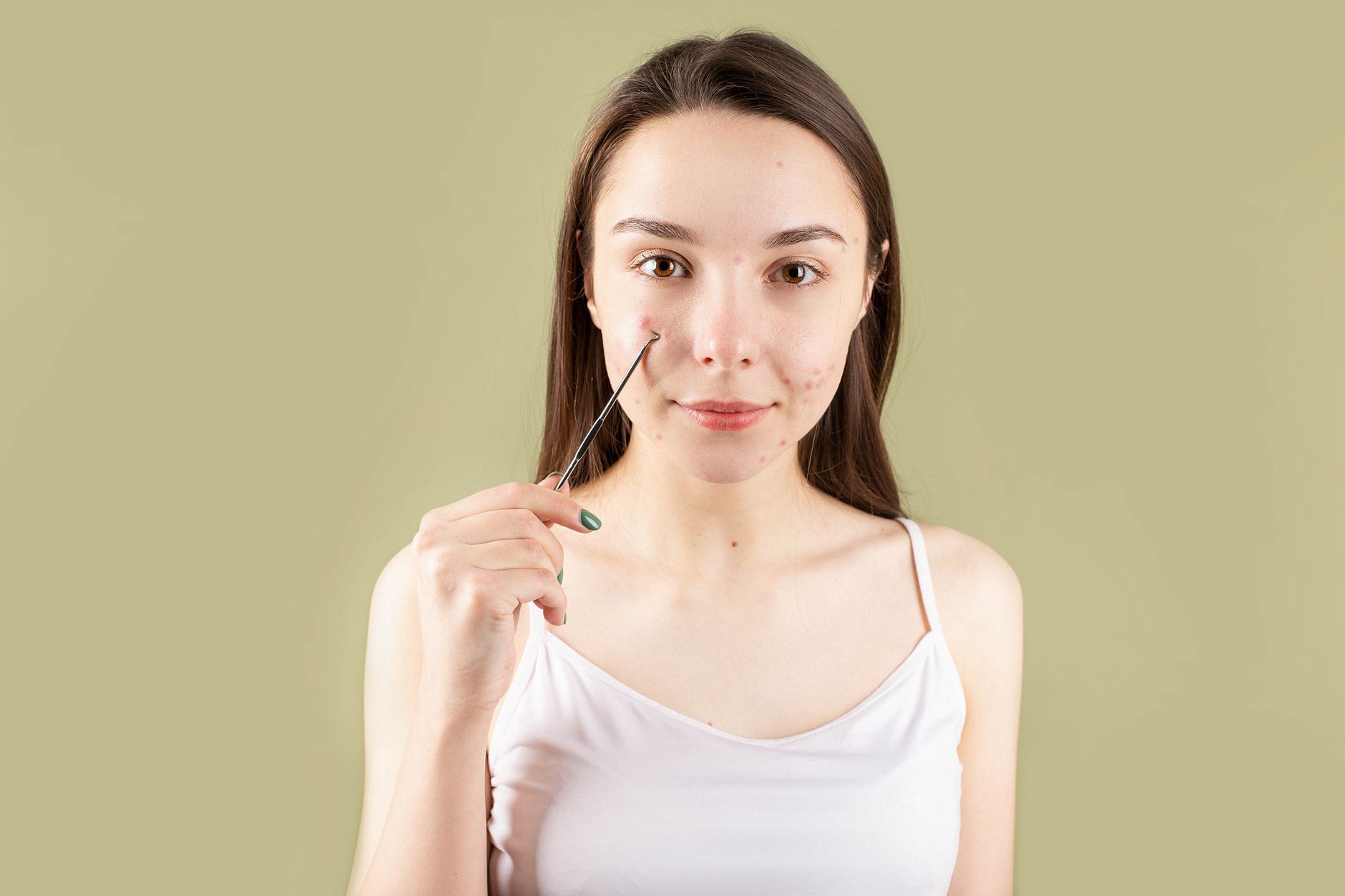
Dealing with a pimple can be frustrating, and in moments of desperation, the temptation to pop it is real. However, understanding the proper techniques, why popping can sometimes do more harm than good, and what to do instead can lead to better skin health. This guide will walk you through the dos and don’ts of pimple popping.
From understanding the anatomy of a pimple to knowing when you should leave it alone, we aim to equip you with all you need to make informed decisions about your skincare routine. Let’s dive into how to pop a pimple correctly, the potential risks involved, and what alternatives you should consider.
How to Pop a Pimple (and Why You Should Think Twice)
Popping a pimple may seem like a quick fix, but it’s essential to assess whether or not it’s the best choice. There are situations where you might need to intervene, but doing so incorrectly can lead to more significant issues like infections or scarring.
Understanding the Anatomy of a Pimple
A pimple is essentially an inflamed skin lesion caused by excess oil, dead skin cells, and bacteria clogging the hair follicle. Understanding its structure is crucial to knowing how to handle it appropriately.
- Whitehead: A closed clog of oil and bacteria, which may need careful removal.
- Blackhead: An open clog that appears dark due to oxidation; these are generally best left untouched.
- Cystic Acne: A painful, deep form of acne caused by infection, which often should not be popped.
Why You Might Want to Avoid Popping Pimples
While it can be tempting, here are several reasons to think twice before popping that pimple:
- Risk of Infection: Your hands and the tools you might use can introduce bacteria into the skin, worsening the situation.
- Scarring: Improper technique often leads to scarring, hyperpigmentation, or the creation of more pimples.
- Inflammation: Popping can cause the surrounding skin to become inflamed, leading to more redness and swelling.
Signs that it Might Be Time to Pop a Pimple
Even with the risks in mind, there are specific situations where it may be appropriate to pop a pimple. Here are some indications that it might be acceptable:
- The pimple is a whitehead and has become very large and painful.
- The pimple is located in an area of your face where you feel comfortable handling it.
- It’s been present for a prolonged period, and you don’t see improvement.
Preparation Before Popping a Pimple
If you decide to proceed, preparation is key. Ensure that you take all necessary hygiene precautions. Here are some steps you should follow:
- Wash Your Hands: Start with clean hands to avoid introducing bacteria.
- Cleanse the Area: Use a gentle cleanser to wash the area around the pimple.
- Sanitize Tools: If using any tools like comedone extractors, ensure they are sanitized using rubbing alcohol.
- Use a Warm Compress: Apply a warm compress to the pimple for about 5–10 minutes to help soften the skin.
How to Properly Pop a Pimple
When you feel ready to pop, doing it correctly is essential to minimize damage and potential complications. Follow these steps:
- Position Yourself: Make sure you are in a well-lit area and can see the pimple clearly.
- Use Gentle Pressure: Place your fingers on either side of the pimple (not on the pimple itself) and apply gentle pressure.
- Watch for Pus: If white pus emerges easily, it’s a sign that you can proceed. If it doesn’t, stop immediately.
- Clean Up: Once the pus is removed, cleanse the area once again with a gentle cleanser or an antiseptic solution.
- Soothing Treatment: Apply a spot treatment that contains salicylic acid or benzoyl peroxide to help reduce inflammation.
Essential Tools for Pimple Popping
Proper tools can make the process smoother and safer. Here are some tools you might find helpful:
- Comedone Extractor: This tool is designed to extract blackheads and whiteheads effectively.
- Alcohol Pads: Essential for sanitizing both your hands and any tools used.
- Cotton Swabs: Great for applying spot treatments post-popping.
What to Do After Popping a Pimple
Your skincare routine shouldn’t stop once you pop the pimple. Here’s how to care for your skin afterward:
- Apply a Cold Compress: This helps reduce swelling and soothe the skin.
- Hydrate the Skin: Use a gentle, non-comedogenic moisturizer to maintain skin moisture.
- Spot Treatments: Apply targeted treatments post-popping to expedite healing.
Alternatives to Popping a Pimple
If popping isn’t the best option, consider these alternatives:
- Over-the-Counter Treatments: Products containing benzoyl peroxide or salicylic acid can help reduce acne.
- Ice Therapy: Applying ice helps to reduce inflammation and temporarily relieve pain.
- Consult with a Professional: For persistent or severe acne, seeking advice from a dermatologist is advisable.
Common Mistakes to Avoid
When it comes to dealing with pimples, avoiding certain practices can prevent worsened skin conditions:
- Popping Too Soon: Give the pimple enough time to develop before making a decision.
- Using Dirty Tools: Always ensure everything is sanitized before engaging in any skin procedure.
- Neglecting Aftercare: Failing to care for the skin post-popping can lead to increased irritation and scarring.
Signs of Irritation to Watch For
After popping a pimple, it’s essential to monitor your skin for signs of irritation:
- Excessive redness or warmth in the area.
- The appearance of swelling that worsens over time.
- Pus or any discharge beyond what you would normally expect.
If any of these symptoms occur, it is advisable to cease any skin treatments and consult a qualified skincare professional.
Realistic Expectations and Timeline
Understanding what you can expect post-pimple popping is important:
- It may take a few days for the area to heal completely.
- Minor redness should subside within a few hours to a couple of days.
- For larger or deeper pimples, healing might take longer and may require ongoing treatment.
When to Seek Professional Help
In some situations, the best option may involve consulting a professional:
- If you frequently experience severe acne that doesn’t respond to over-the-counter treatments.
- When cystic acne is suspected, as this often requires prescription medication or specialized treatment.
- If there’s a possibility of infection or if you notice persistent swelling and irritation.
Final Thoughts on Pimple Popping
While popping a pimple may offer a seemingly quick fix, considering the potential risks is crucial. It’s often better to explore other skincare options that promote clear skin over the long term.
Follow the outlined guidelines if you choose to proceed, and prioritize your skin’s health by practicing preventative care and consulting professionals as needed. Taking care of your skin should always be a first priority.
For further reading, consider exploring related beauty guides such as where does the pus go if you don’t pop a pimple or how to get rid of cystic acne. Both articles offer valuable insights for better skincare management.