
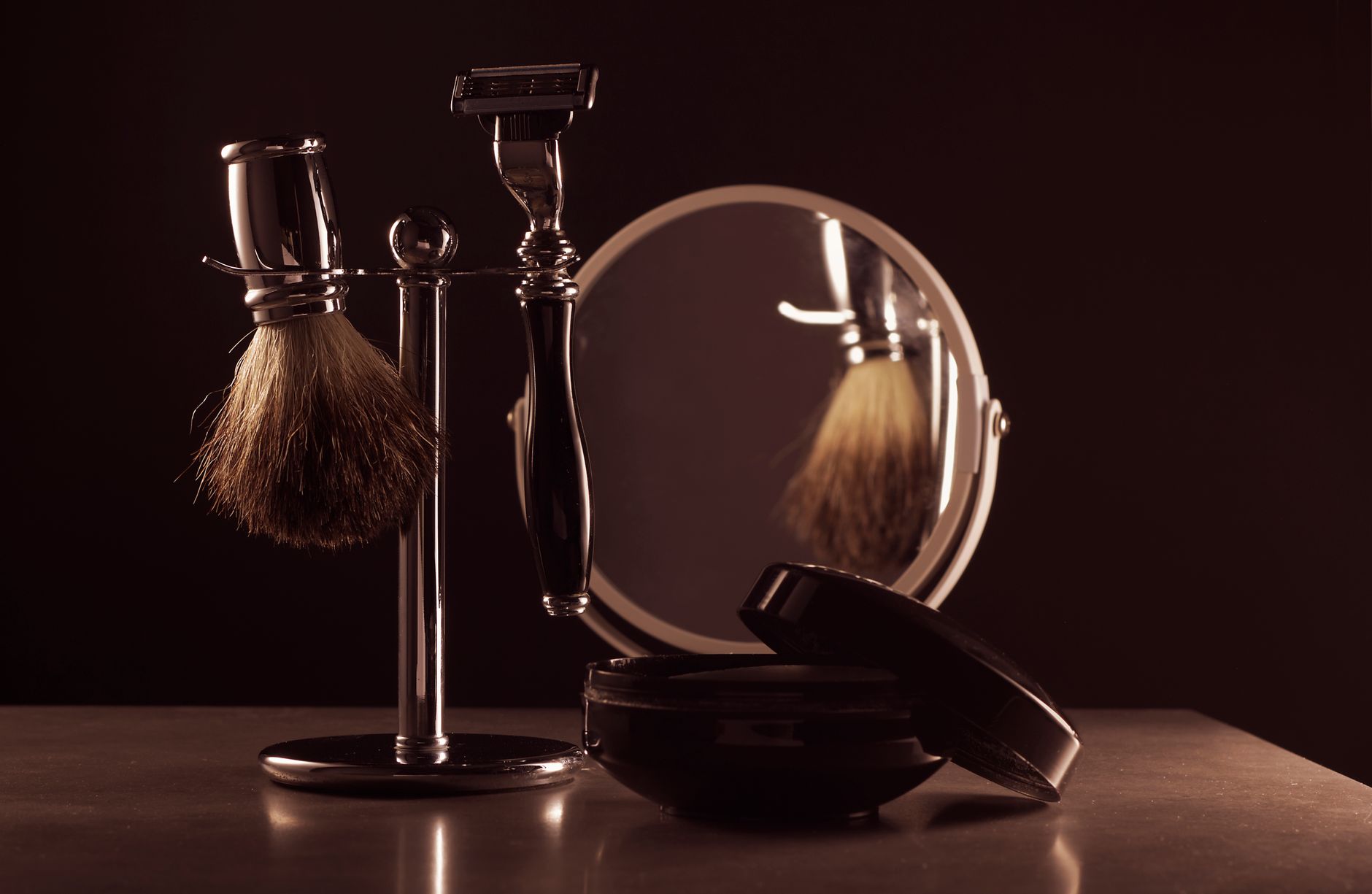
Shaving sensitive areas like the male genital region may seem daunting, but with the right techniques and tools, it can be a safe and manageable task. Proper grooming in this area not only promotes hygiene but can also enhance comfort and confidence. This guide covers safety considerations, effective trimming methods, and tips to avoid razor bumps, ensuring a smooth shaving experience.
From choosing the right tools to mastering the technique, learning how to shave your balls can be straightforward and even enjoyable. Take the time to prepare and understand the process, and you’ll be on your way to a successful grooming routine.
How to Shave Balls: What Are the Key Steps?
To shave your balls successfully, follow these key steps to ensure comfort, reduce the risk of irritation, and achieve the desired smoothness. This section summarizes the main steps to take.
- Gather the necessary tools.
- Prep the area thoroughly.
- Trim excess hair for easier shaving.
- Shave carefully and gently.
- Rinse and care for the skin afterward.
Understanding the Anatomy and Sensitive Skin
The skin around the genitals is delicate and sensitive, making it essential to adapt your grooming routine accordingly. The following points provide insight into your skin and grooming needs:
- Skin Sensitivity: This area often has a thinner skin layer, making it more prone to irritation, cuts, and razor bumps.
- Hair Texture: Hair in this region tends to be coarser and curlier, which can increase the likelihood of ingrown hairs if not removed properly.
- Moisture and Friction: Sweat and friction can exacerbate skin issues. Proper hygiene and care post-shaving are crucial.
Essential Tools for Shaving Balls
Having the right tools on hand is vital for an effective shaving experience. Here’s a list of essentials you’ll need:
- Electric Trimmer or Beard Trimmer: Ideal for trimming longer hair before shaving.
- Safety Razor or Single-Blade Razor: Aids in achieving a close and comfortable shave.
- Shaving Cream or Gel: Provides lubrication and reduces friction during shaving.
- Aftercare Lotion: A soothing, alcohol-free product to hydrate and calm the skin post-shave.
- Mirror: A good mirror helps you see the area you’re shaving clearly.
Preparing the Area: Why It Matters
Preparation is one of the key elements that lead to a successful shaving experience. Here’s how to prep the area effectively:
- Begin with a Warm Shower: The heat and steam open up pores and soften the hair, making it easier to shave.
- Exfoliate: Use a gentle scrub or exfoliating glove to remove dead skin cells. This helps prevent ingrown hairs.
- Dry the Skin: Once out of the shower, gently pat the area dry with a clean towel. Moisture can affect shaving cream adhesion.
Trimming vs. Shaving: Which to Choose?
Before shaving, trimming can be beneficial, especially for those with longer hair. Here’s why trimming is recommended:
- Ease of Shaving: Shortening hair makes the shaving process easier and reduces the likelihood of tugging and pulling.
- Less Irritation: Trimming first can lead to fewer cuts, nicks, and irritation on sensitive skin.
- Control: Using an electric trimmer allows for greater control and precision when shaping or managing length.
How to Trim Pubic Hair Safely
Trimming the pubic hair around your balls should be done with care. Follow these steps for a safe experience:
- Set the trimmer to a desired length if it has adjustable settings.
- Gently stretch the skin taut with one hand to create a smooth surface.
- Move the trimmer slowly and gently, taking extra care around sensitive areas.
- Always keep the trimmer parallel to the skin to prevent pulling or cutting.
- Clean the trimmer after use, ensuring no hair is lodged in the blades.
The Actual Shaving Process: A Step-by-Step Guide
Now that you’re trimmed and ready to go, here’s how to shave your balls effectively:
- Apply Shaving Cream or Gel: Use a generous amount to coat the entire area you’ll be shaving. This increases lubrication and reduces friction.
- Select Your Razor: Choose a clean safety razor or single-blade razor. Ensure the blades are sharp to avoid tugging.
- Shave with the Hair Growth: Start shaving in the direction of hair growth. This minimizes irritation and reduces the risk of ingrown hairs.
- Rinse and Check for Missed Spots: Rinse the area frequently and check for any missed hair spots.
- Use Short, Gentle Strokes: Avoid pressing too hard. Let the blade do the work.
- Rinse Off Afterwards: Once done, rinse the area with cool water to close the pores.
- Pat Dry with a Clean Towel: Gently pat, do not rub, to prevent irritation.
Aftercare: Keeping Skin Healthy
Post-shaving care is just as important as the shaving process itself. Here’s how to care for your skin afterward:
- Moisturize: Apply a soothing, alcohol-free lotion or aftershave balm to hydrate the skin and reduce irritation.
- Avoid Tight Clothing: Give your skin room to breathe by wearing loose-fitting underwear and pants right after shaving.
- Monitor for Irritation: Watch for any signs of redness or irritation. If irritation occurs, refrain from shaving until fully healed.
Dealing with Razor Bumps and Irritation
Razor bumps and irritation can be common issues after shaving. Consider the following tips to minimize these concerns:
- Use a Sharp Razor: Dull blades increase the likelihood of irritation. Always use a fresh, sharp blade.
- Shave Less Frequently: Allow time for the skin to recover between shaves.
- Exfoliate Regularly: Regular exfoliation can prevent clogged pores and ingrown hairs.
- Apply Hydrocortisone Cream: If irritation occurs, apply a hydrocortisone cream to reduce swelling and redness.
Common Mistakes to Avoid
Here are mistakes to watch out for to ensure a successful and comfortable shaving experience:
- Using the Wrong Blade: Avoid multi-blade razors that can tug and pull on the skin.
- Not Enough Lubrication: Always apply shaving cream or gel. Shaving on dry skin can lead to painful irritation.
- Shaving Too Quickly: Take your time to avoid cuts and missed spots. Rushing can lead to mistakes.
- Skipping Aftercare: Ignore the temptation to skip moisturizing; it can lead to irritation and discomfort later.
Tips for Sensitive Skin
For those with particularly sensitive skin, consider these specialized tips:
- Test New Products: Always perform a patch test with new shaving creams or aftercare products to prevent allergic reactions.
- Use Natural Products: Look for hypoallergenic, fragrance-free products to limit irritation.
- Stay Hydrated: Drink plenty of water to maintain skin hydration, which can help in reducing sensitivity.
Alternatives to Shaving
If shaving doesn’t work for you, consider alternatives to keep the area groomed without the risks associated with shaving:
- Waxing: Provides longer-lasting results but may be a painful option for some.
- Depilatory Creams: These products dissolve hair at skin level, though they may also irritate sensitive skin.
- Laser Hair Removal: A more permanent solution with a higher cost but can reduce hair growth significantly over time.
Conclusion
Learning how to shave your balls properly involves understanding your skin and preparing adequately for the process. By using the right tools, adopting effective techniques, and caring for your skin afterward, you can achieve a smooth, comfortable shave. Remember to take your time to avoid irritation and consider alternatives if necessary.
For additional grooming guidance, explore related topics such as how to shave your pubes or follow specific tutorials for different grooming tools and techniques.