
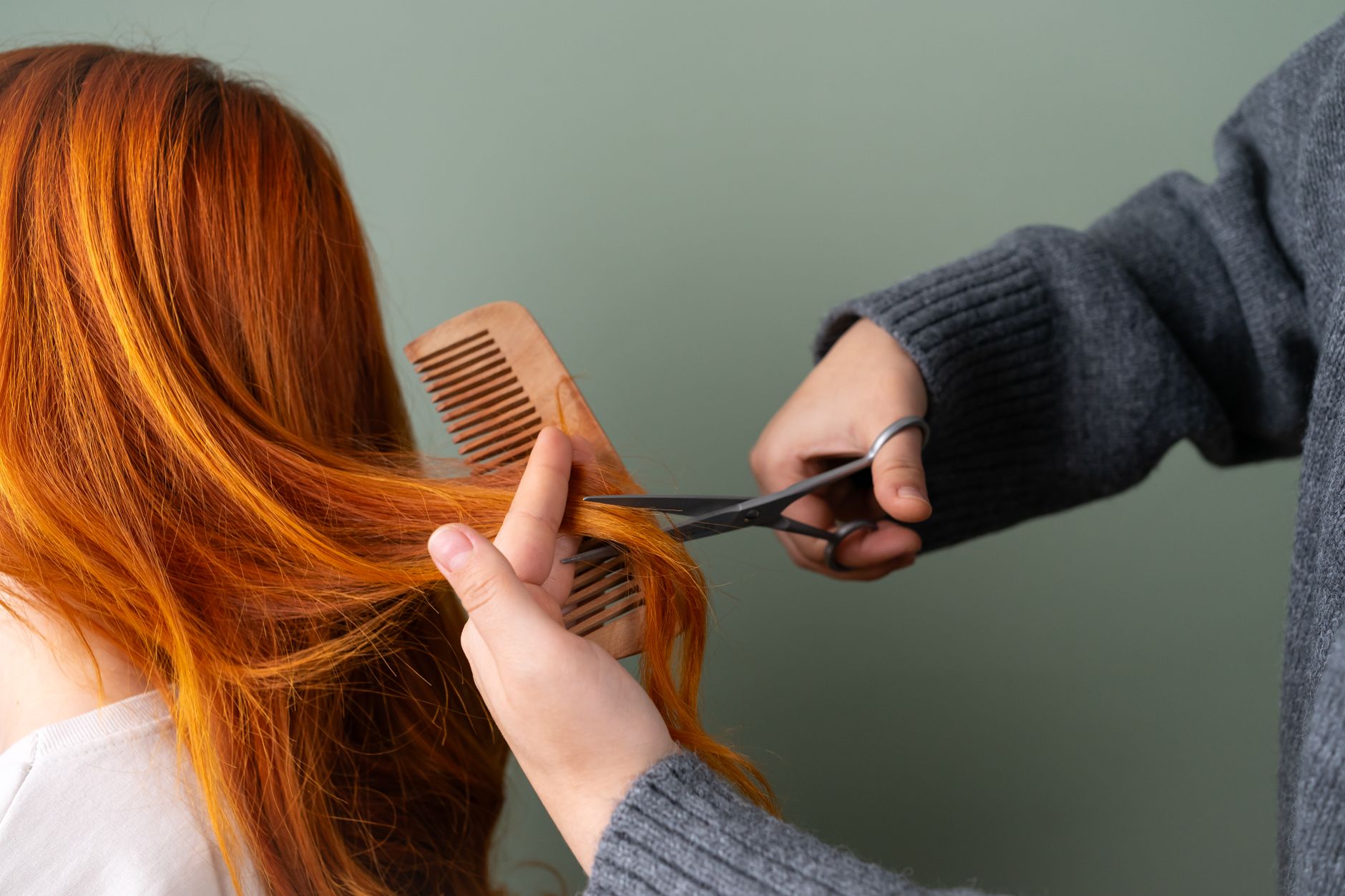
Trimming bangs can be a transformative experience, adding a fresh look that frames the face beautifully. However, this seemingly simple task requires the right technique and tools to achieve the desired outcome without the risk of an unfortunate mishap. Understanding how to trim bangs properly will help ensure you achieve polished, flattering results every time.
In this guide, we’ll explore the step-by-step process for trimming bangs, essential tools, styling tips, and common mistakes to avoid. Whether you’re going for a blunt cut or soft layers, we have you covered!
How to Trim Bangs?
To trim bangs effectively, gather the necessary tools, decide on the desired length, and follow a precise cutting method. Understanding your hair type, face shape, and styling preferences will also ensure your bangs complement your overall look.
Essential Tools for Trimming Bangs
Before starting, make sure you have the following tools on hand:
- Sharp Hair Cutting Scissors: Ordinary scissors can create uneven cuts, while specific hair scissors are designed to give you precise results.
- Fine-Toothed Comb: A comb helps to detangle hair and achieves a smooth finish while trimming.
- Hair Clips: Use clips to hold back the rest of your hair while you focus on trimming your bangs.
- Mirror: A good mirror, preferably one that gives you a clear view of your face from different angles, is essential.
- Measuring Tools: Optional, but a ruler or flexible measuring tape can help ensure uniformity in length.
Deciding on the Bang Style
Before you start trimming, consider the type of bangs that best suit your face shape and hair type. Here are a few popular styles:
- Blunt Bangs: These are cut straight across and usually sit just above the eyebrows. They work well with straight or slightly wavy textures.
- Side-Swept Bangs: Longer and often layered, side-swept bangs can soften angular features and work for most face shapes.
- Layered Bangs: Adding layers to bangs creates movement and depth, making them great for thicker hair types.
- Curved Bangs: These follow the natural arch of your brow, providing a softer appearance suitable for either straight or curly hair.
Steps to Trim Bangs
Follow these steps to trim your bangs safely and effectively:
- Prep Your Hair: Start with dry hair, as wet hair shrinks when it dries. Comb through your bangs and ensure there are no knots.
- Section Your Hair: Use clips to section off the rest of your hair, leaving only the bangs down. This will give you better control while you trim.
- Determine Desired Length: Decide where you want your bangs to fall. It’s crucial to measure and visualize your desired length.
- Get to Cutting: Taking small sections of hair, use your scissors to make a straight cut or a snip for layered bangs. Hold the scissors vertically for a softer look and angled for a crisp edge.
- Check for Evenness: After cutting, comb through your bangs and check for any uneven areas. Make adjustments as necessary.
- Style Your Bangs: Once satisfied, style your bangs as desired. You can use a straightener, curling iron, or simply let them air-dry.
Tips for Achieving the Perfect Bangs
To enhance your bang trimming experience, keep the following tips in mind:
- Start Small: It’s better to cut a little and gradually trim more than to go too short right away.
- Angle Your Scissors: Cutting at an angle can help create a softer, more natural look rather than a blunt finish.
- Use the Point-Cutting Technique: Instead of straight cuts, make small snips into the ends of your bangs to create texture and movement.
Common Mistakes to Avoid When Trimming Bangs
Even seasoned hair trimmers can make mistakes. Here are some common pitfalls to steer clear of:
- Cuts While Hair is Wet: Wet hair can appear longer. Always trim dry hair to achieve the correct length.
- Over-Cutting: It’s tempting to keep cutting if things don’t look right, but it’s better to take your time and trim gradually.
- Too Much Tension: Pulling the hair too tight when cutting can lead to shorter-than-intended bangs. Let the hair fall naturally.
- Ignoring Your Face Shape: It’s essential to choose a bang style that complements your face shape. For example, round faces may benefit from longer, side-swept bangs.
What to Do If Things Go Wrong
Sometimes, even with the best of intentions, a bang trim can go awry. Here’s how to handle those moments:
- Revisit the Salon: If you’re unhappy with the length or style, a professional stylist can shape them more effectively.
- Layering: If your bangs are too blunt or thick, consider adding layers to soften the look.
- Headbands or Clips: These can be temporarily used to help manage bangs that are too short or unruly until they grow out.
Maintaining Your Bangs
Once you’ve trimmed your bangs, regular maintenance is crucial to keep them looking fresh. Here are tips for maintenance:
- Regular Trims: Schedule trims every 4-6 weeks to maintain your bangs at the desired length.
- Use the Right Products: Using a light hair serum or spray can help control frizz and keep your bangs looking polished.
- Adjust Styling Tools: Depending on the climate or your hair’s condition, consider using different tools for styling to prevent heat damage.
Conclusion
Learning how to trim bangs properly opens up a world of versatility and style. With the right tools, techniques, and care, you can achieve flattering bangs at home without fear. Remember to practice patience, start small, and don’t hesitate to turn to a professional if you need a helping hand. Now, go ahead and give your hair the bang makeover it deserves!
If you’re interested in exploring more about haircuts and styling, check out our guides on How to Cut Bangs and How to Style Bangs for continuous hair inspiration.