
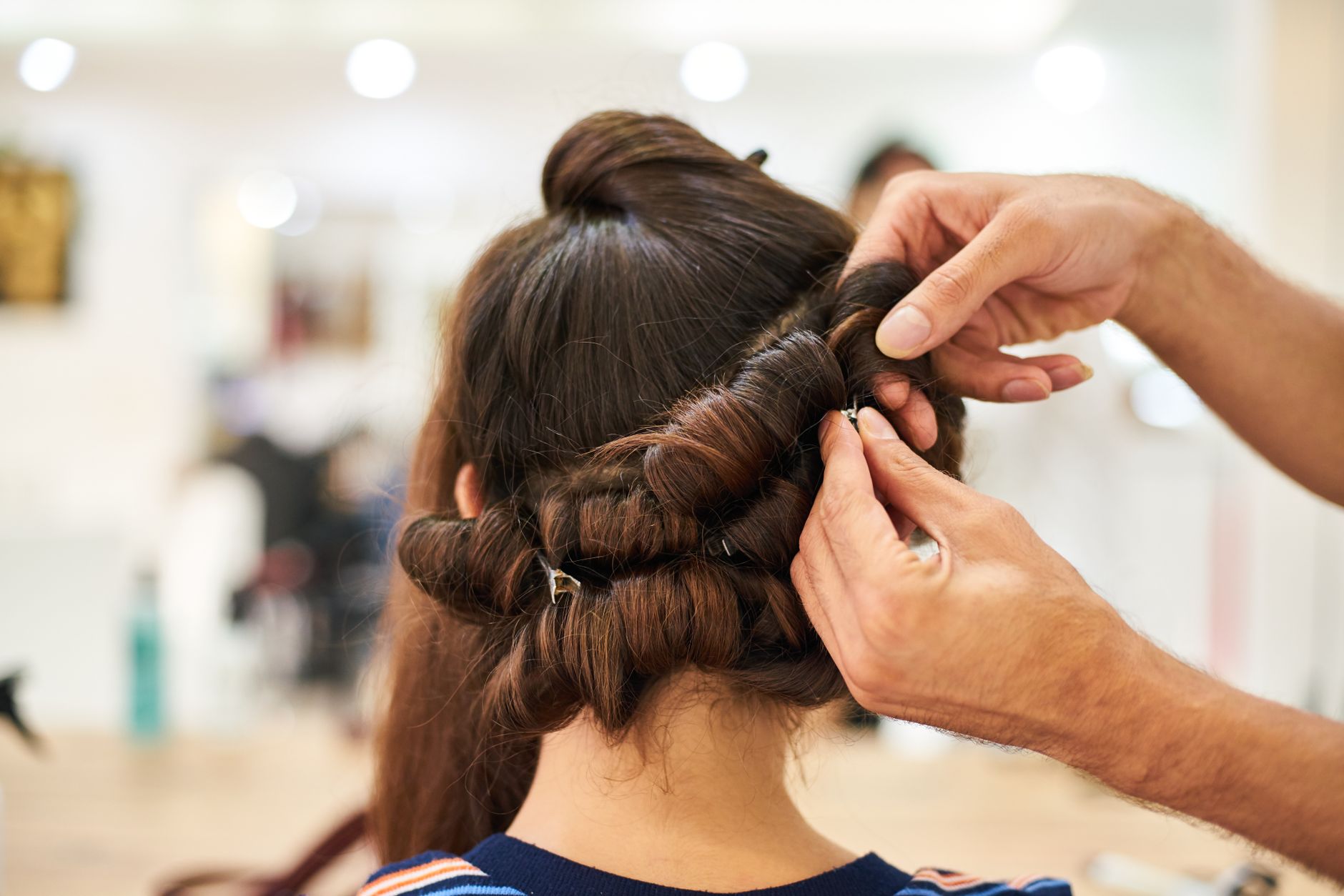
Hair pins are versatile beauty tools that can elevate any hairstyle, from casual to elegant. Despite their simplicity, many people struggle with how to use them effectively. This guide covers practical tips, common mistakes, and a variety of styles that you can achieve using hair pins.
Whether you’re looking to secure a bun, create intricate updos, or simply tame loose strands, understanding the proper use of hair pins is essential. Let’s dive into the art of using hair pins to enhance your hairstyle effortlessly.
How to Use Hair Pins?
Using hair pins involves understanding the different types available and applying them correctly to achieve your desired hairstyle. Proper usage ensures security and style without damaging your hair. Here are the main points to consider.
Types of Hair Pins
Before you start pinning, it’s crucial to choose the right type of hair pin. Here are the most common types you’ll come across:
- Bobby Pins: These are small, typically of a wavy design, and perfect for securing loose strands or small sections of hair.
- Hair Pins: Longer than bobby pins, hair pins are generally used for securing updos and larger hair sections. They are often U-shaped to grip more hair.
- French Hair Pins: Similar to regular hair pins but designed specifically for creating French twists or chignons. They’re thicker and often decorative.
- Flat Hair Pins: These pins are used for specialized hairstyles that require more grip and strength.
- Snap Clips: Ideal for short hair or securing layers, these clips snap shut and hold hair in place.
Choosing the Right Hair Pin for Your Hairstyle
Choosing the correct hair pin largely depends on your hair type and the style you’re aiming for. Consider the following factors:
- Hair Type: If you have thick hair, opt for sturdy hair pins or bobby pins with a stronger grip. For fine hair, go for smaller, lightweight bobby pins.
- Style: Determine the hairstyle you want to create. A simple bun may only require bobby pins, while a complex updo might need hair pins and possibly additional styling products.
- Length of Hair: Longer hair can accommodate hair pins and bobby pins for added support, while shorter lengths may work better with snap clips or smaller bobby pins.
How to Use Bobby Pins
Bobby pins are the most common hair pins, ideal for securing loose hairs and creating elegant styles. Here’s a guide on how to effectively use bobby pins:
- Divide Your Hair: Begin by sectioning your hair. You can choose to work with small sections for a more detailed style or larger sections for a quick fix.
- Position the Pin: Insert the bobby pin with the wavy side facing your scalp. This ensures a better grip.
- Twist and Anchor: If you’re gathering hair into a bun or securing layers, twist the section of hair and press it against the scalp before inserting the pin.
- Use Multiple Pins: For added support, use several bobby pins in the same section of hair, spaced evenly apart.
- Check for Security: Tug lightly on your hair to ensure the bobby pins are gripping well. If it feels loose, add more pins.
How to Use Hair Pins
Hair pins are equally effective for securing larger amounts of hair or creating intricate styles. Here’s a step-by-step guide:
- Style Your Hair: Pull your hair back into the desired style, whether it’s a bun, twist, or something more complex.
- Gather and Twist: If you’re creating a bun or twist, gather your hair together and twist it into the shape you prefer.
- Insert the Hair Pin: Slide the hair pin into your twist or bun, remembering to angle it toward your scalp for better hold.
- Anchor with Additional Pins: For extra security, use more hair pins, crisscrossing them in multiple directions to secure the style.
- Adjust the Style: Once secured, adjust the style as needed by tugging at the edges gently to create volume or loosen some strands for a softer look.
How to Use French Hair Pins
French hair pins are ideal for formal hairstyles and can create stunning looks with minimal effort. Here’s how to incorporate them into your styling routine:
- Gather Your Hair: Start by gathering your hair into a low bun or twist.
- Twist and Wrap: Twist your hair around itself to create a bun, then wrap it tightly to secure it in place.
- Insert the French Hair Pin: Slide the pin through the bun, so it goes through the hair and emerges from the base, anchoring it securely.
- Secure and Adjust: Check that the bun is secure, and adjust any loose sections. You may want to create volume by gently pulling on the edges.
Common Mistakes When Using Hair Pins
Even seasoned users can make mistakes when employing hair pins. Here are some common pitfalls to avoid:
- Not Using Enough Pins: One or two pins may not be sufficient for securing certain styles, especially for those with thicker or longer hair.
- Incorrect Placement: Placing bobby pins in the wrong direction (smooth side facing out) can lead to them slipping out more easily.
- Ignoring Hair Type: Not considering hair texture can lead to breakage or styles that don’t last, especially with the wrong pin width or grip.
- Overloading with Products: Excessive use of hairspray or gel can cause pins to slide out. A light application is generally sufficient.
- Forgetting Maintenance: Hair pins can accumulate hair product residue. It’s advisable to clean pins regularly to maintain grip and avoid breaking hair strands.
Hair Pin Hacks You Should Know
Here are some practical hacks to maximize the effectiveness of hair pins:
- Spray with Hair Spray: Lightly spray your hair pins with hairspray before use to help them grip better.
- Use Gel or Mousse: Applying a small amount of styling gel or mousse can help your hair stay in place longer, making pinning easier.
- Mix and Match Pins: Don’t hesitate to use bobby pins and larger hair pins together for complex styles that require varying levels of security.
- Keep Hair Clean: Use clean, dry hair to make pinning easier. Greasy hair can make it difficult for pins to hold.
- Experiment with Placement: Different styles may require different placements. Don’t hesitate to adjust pins mid-event for comfort.
Choosing the Right Pin for Your Hair Type
Ultimately, your hair type will dictate the effectiveness of your hair pinning method. Here’s how to choose:
- Fine Hair: Opt for smaller bobby pins with a wavy grip to ensure they stay in place without slipping.
- Thick Hair: Choose heavier-duty bobby pins or hair pins designed to withstand thicker strands.
- Curly Hair: A combination of larger hair pins and bobby pins can help hold curls without damaging their natural shape.
- Sleek Styles: Use flat hair pins and a smoothing product to keep your hair looking polished and neat.
Hair Pin Hairstyles to Try
There are countless styles you can create using hair pins. Here are a few recommendations:
- Low Chignon: Gather your hair at the nape of your neck and twist it into a low bun. Secure with hair pins.
- Messy Bun: Gather your hair loosely, twist it for a casual look, and secure with bobby pins. Allow some strands to fall free.
- Twisted Half-Up: Take two sections of hair from either side, twist them together and secure the twist with bobby pins at the back.
- French Twist: Sweep your hair to one side, twist it upwards toward your head, and pin it into place using French hair pins.
- Side Braid with Pins: Braid your hair to one side and use hair pins to secure the braid at the base or to keep flyaways in check.
Maintenance and Care for Your Hair Pins
To keep your hair pins in good condition, proper maintenance is necessary:
- Cleaning: Regularly wash your hair pins to remove buildup from hair products.
- Storage: Store your pins in a dry place to prevent rusting or losing their grip.
- Inspection: Check for any bends or damage before use, as this can affect their performance and safety in your hair.
A Quick Recap of Hair Pin Usage
Understanding how to use hair pins effectively can unlock a world of creativity in your hairstyling. By selecting the right pins, knowing how to apply them correctly, and avoiding common mistakes, you can achieve any look you desire.
If you want even more comprehensive tips, you could also explore how to use a French hair pin for a more specific style. Remember, practicing various styles will make you a pro at using hair pins in no time.
Now that you know how to use hair pins, experiment with different styles and techniques to create looks that suit you best! With the right tools and techniques, your hair can be as versatile as your personal style.
Explore more related beauty guides and tutorials, like how to use a French hair pin and tips on maximizing the effectiveness of your hair tools to complement your newfound skills.