
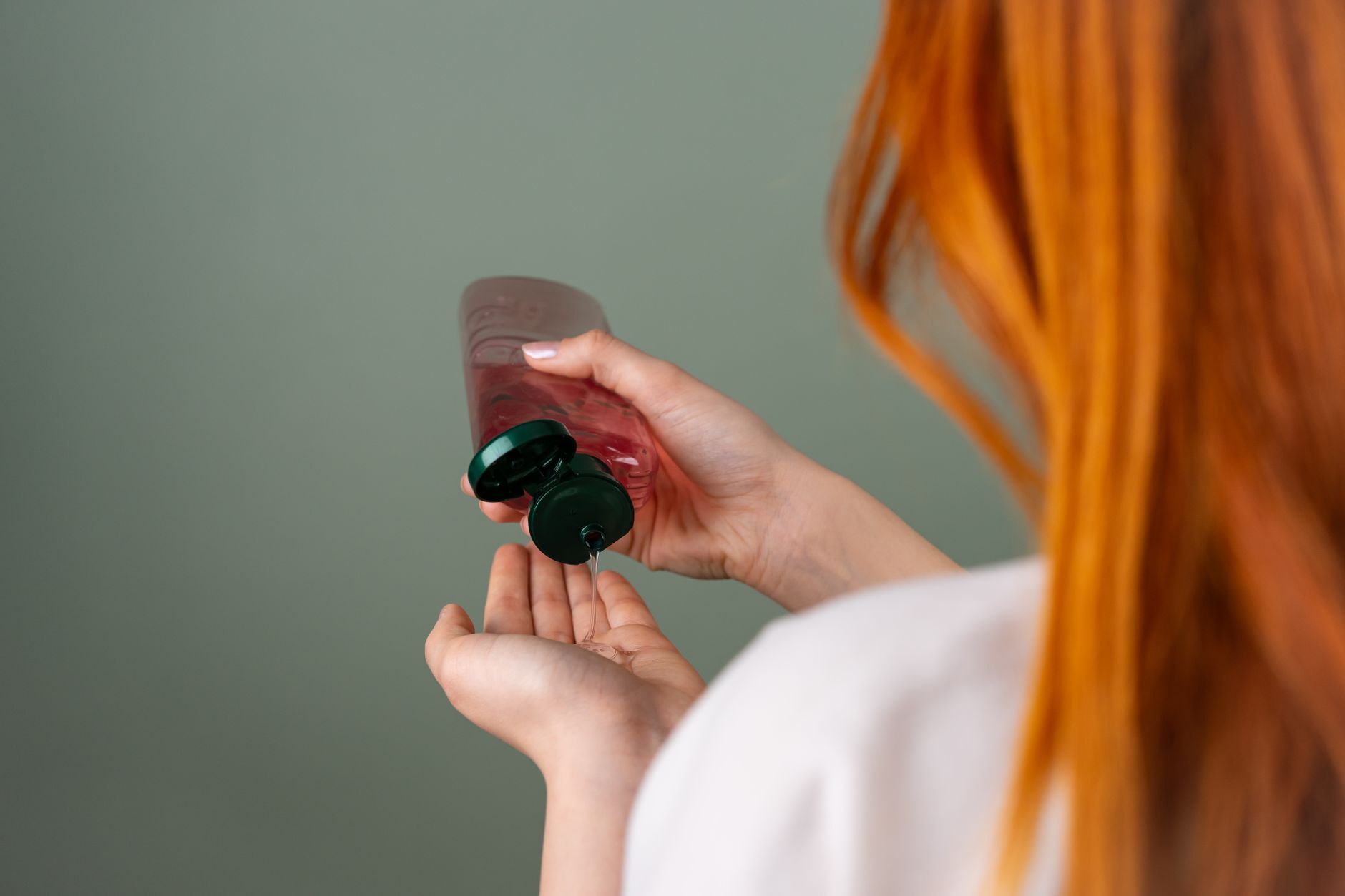
Thinning hair can be a significant concern for many, impacting confidence and self-esteem. Recognizing the need for the right hair care products is crucial, especially when it comes to selecting a shampoo that supports hair health. The best shampoo for thinning hair should address specific concerns like volume, scalp health, and hair strengthening without causing damage.
This comprehensive guide will explore the factors to consider when selecting the best shampoo for thinning hair, what ingredients to look for, and how to integrate these into your hair care routine effectively.
What Is the Best Shampoo for Thinning Hair?
The best shampoo for thinning hair should be formulated to promote hair strength, reduce breakage, and enhance overall hair appearance. Ingredients that stimulate the scalp and encourage healthy hair growth are particularly important. Look for shampoos free from harsh chemicals, sulfates, and artificial fragrances, which can strip hair of natural oils and contribute to further thinning.
Understanding Thinning Hair
Thinning hair occurs when hair falls out faster than it can grow back, leading to a decrease in the overall volume and density of hair on the scalp. Various factors can contribute to this condition, including:
- Genetics: Family history can play a significant role in hair thinning.
- Hormonal Changes: Hormonal fluctuations, especially during pregnancy or menopause, may affect hair density.
- Diet and Nutrition: A lack of essential nutrients, such as vitamins and minerals, can lead to weakened hair.
- Stress: High levels of physical or emotional stress can lead to hair loss.
- Medical Conditions: Conditions like alopecia or thyroid imbalance may cause or exacerbate thinning hair.
Key Ingredients to Look For
When searching for the best shampoo for thinning hair, be on the lookout for the following beneficial ingredients:
- Biotin: A vitamin that strengthens hair and promotes healthier growth.
- Caffeine: Stimulates hair follicles, potentially encouraging growth.
- Niacin: Enhances blood circulation to the scalp, promoting hair health.
- Tea Tree Oil: Helps to maintain a healthy scalp by reducing dandruff and promoting balance.
- Keratin: A protein that fills in gaps in the hair shaft, making it stronger and less prone to breakage.
- Natural Oils (like jojoba or argan): Provide moisture and nourishment while adding shine.
Cleansing and Conditioning Sequence
A proper hair care routine is essential for those with thinning hair. Here’s a simple step-by-step guide for using shampoo and conditioner effectively:
- Wet your hair: Thoroughly dampen your hair with lukewarm water. Avoid hot water, as it can strip your hair of natural oils.
- Apply shampoo: Take a quarter-sized amount of shampoo and work it into your scalp. Focus on the roots, as this is where thinning is most evident.
- Massage gently: Use your fingertips to massage the shampoo into your scalp for 2-3 minutes. This enhances circulation and ensures that the product penetrates well.
- Rinse thoroughly: Make sure to rinse out the shampoo completely, as residue can lead to buildup.
- Condition: Apply a conditioner specifically designed for thinning hair to the mid-lengths and ends. Avoid applying conditioner directly to the scalp as it can weigh hair down.
- Rinse: Leave conditioner in for a few minutes before rinsing out with cool water to help seal the hair cuticle.
Choosing the Right Shampoo
With an understanding of hair thinning and the benefits of various ingredients, how do you choose the right shampoo? Here are some practical considerations:
- Hair Type: Consider your hair type (fine, oily, dry, or color-treated) when selecting a shampoo. A lighter formula is generally better for fine, thinning hair.
- Scalp Health: If you experience dryness or dandruff, choose a shampoo that addresses these concerns while promoting volume.
- Product Labels: Always check for sulfates, parabens, and artificial colors or fragrances. Opt for gentle, sulfate-free options where possible.
- Price Point: While price can be indicative of quality, it’s essential to find a shampoo that fits your budget without compromising on efficacy.
Common Mistakes When Caring for Thinning Hair
While caring for thinning hair, it’s easy to fall into some common traps that can hinder progress:
- Over-washing: Shampooing your hair too frequently can strip natural oils, leading to increased dryness and breakage.
- Using the wrong products: Utilizing shampoos that are too heavy or contain ingredients that promote buildup can exacerbate thinning.
- Neglecting the scalp: A healthy scalp is essential for hair growth. Ignoring scalp care can lead to more significant issues.
- Skipping conditioner: Even if you have fine hair, conditioner is necessary to prevent breakage. Focus on lightweight formulations that provide moisture without weight.
Building a Hair Care Routine for Thinning Hair
A well-rounded hair care routine is beneficial for thinning hair. Follow this suggested routine to promote optimal hair health:
- Shampoo: Use a gentle shampoo formulated for thinning hair, 2-3 times per week.
- Condition: Always follow up with a conditioner, focusing on the mid-lengths and ends.
- Treatments: Consider adding a weekly hair mask or treatment to strengthen hair and address specific concerns.
- Scalp Treatment: Once a week, use a scalp exfoliating treatment or oil to stimulate healthy circulation.
- Styling Products: Look for lightweight styling products that add volume without weighing hair down.
- Heat Protection: If you use heat styling tools, apply a heat protectant to minimize damage.
Diet and Lifestyle Considerations
In addition to a robust hair care routine, you can support thinning hair with lifestyle and dietary choices.
- Nutrition: Incorporate a balanced diet rich in vitamins, minerals, and proteins. Foods high in Omega-3 fatty acids, like fish and nuts, promote overall hair health.
- Hydration: Drink plenty of water to maintain hydration, as dehydration can weaken hair.
- Stress Management: Engage in practices like yoga, meditation, or simple exercise to reduce stress levels, which can contribute to hair loss.
- Sleep: Ensure you’re getting enough restorative sleep, as this supports overall health, including hair health.
Professional Treatments to Consider
If over-the-counter shampoos and lifestyle changes don’t yield the desired results, you may want to consider professional treatments:
- Minoxidil: An FDA-approved topical treatment that stimulates hair growth and can be effective for some individuals.
- Platelet-Rich Plasma (PRP) Therapy: A treatment involving injections of your own platelets into the scalp to promote hair growth.
- Hair Transplant Surgery: For those with significant hair loss, surgical options may be a viable choice to restore hair growth in desired areas.
Realistic Expectations
While finding the best shampoo for thinning hair can significantly impact your hair care routine, it’s crucial to set realistic expectations. Results can vary based on numerous factors, and it may take time to notice improved density and strength. Consistency is key.
Many people can benefit from a multifaceted approach, combining effective shampoo usage with positive lifestyle habits, proper nutrition, and, if necessary, professional support for hair thinning concerns. Remember that every individual’s hair journey is unique, and patience is essential.
Conclusion
In choosing the best shampoo for thinning hair, focus on understanding your individual needs, the specific ingredients that will benefit your hair type, and establish a routine that supports scalp health and nourishes hair. With careful selection and consistency, you can promote a healthier scalp and fuller-looking hair. Take a moment to explore our guides on fixing thinning hair and finding the best shampoo and conditioner to further enhance your hair care journey.