
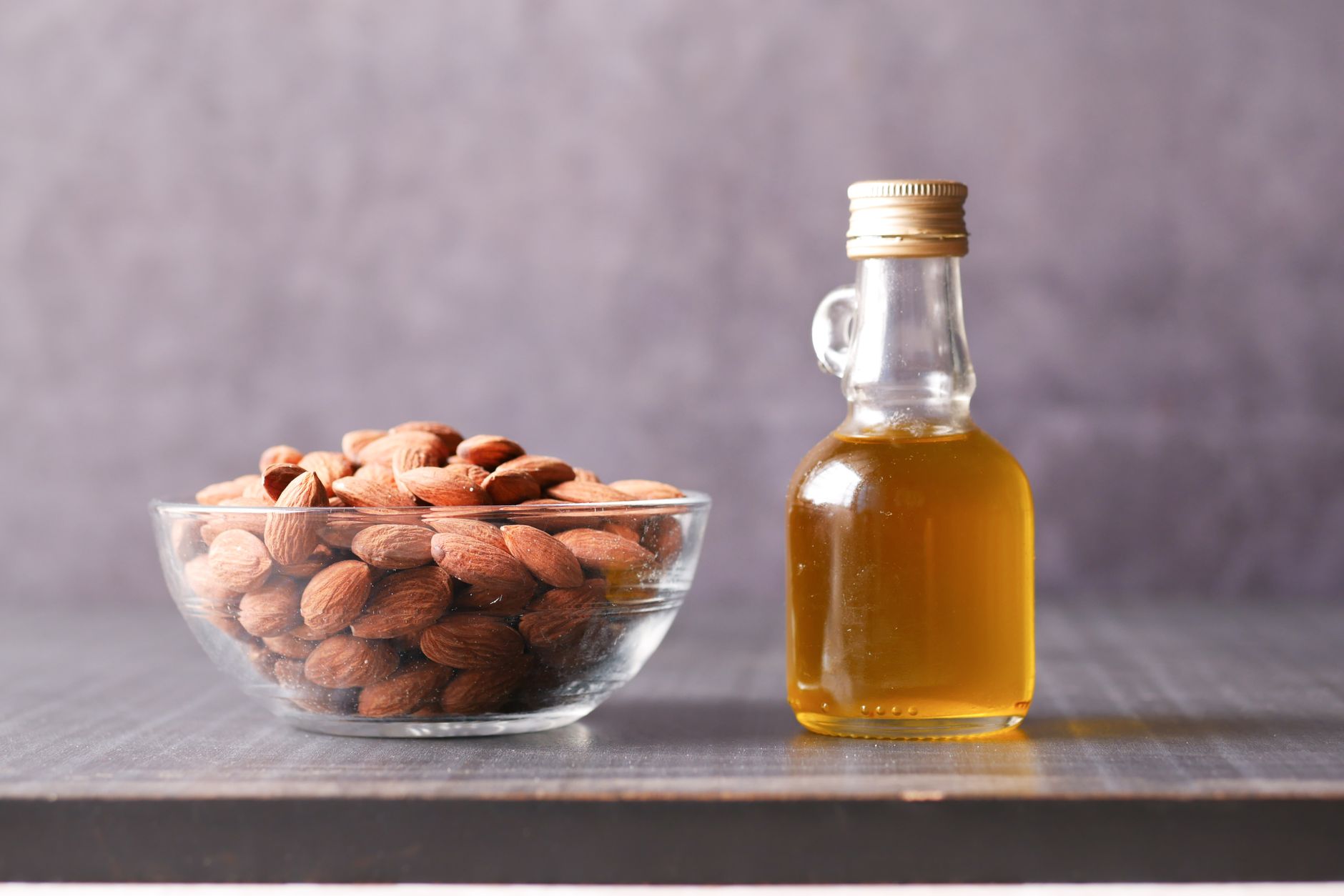
Almond oil has garnered attention in the beauty and wellness community for its potential benefits, particularly when it comes to hair care. As a natural oil rich in nutrients, many people are curious about how it can enhance hair health. This article explores whether almond oil is good for hair, delving into its benefits, applications, and tips for optimal use.
From moisturizing dry strands to promoting shine and reducing breakage, almond oil may be a versatile addition to your hair care routine. Let’s uncover the facts and tips surrounding almond oil and its effects on hair health.
Is Almond Oil Good for Hair?
Yes, almond oil is generally beneficial for hair. It contains essential nutrients such as vitamins E and D, proteins, and omega-3 fatty acids, which nourish and strengthen hair. Regular application can help with dryness, add shine, and may even support hair growth over time.
Understanding Almond Oil
Almond oil is derived from the seeds of the almond tree and comes in two varieties: sweet and bitter. Sweet almond oil is commonly used in beauty products, while bitter almond oil is mainly used for industrial purposes. For hair care, sweet almond oil is the preferred choice due to its gentle nature and beneficial properties.
Benefits of Almond Oil for Hair
Almond oil offers a range of benefits for hair health. Here are some notable advantages:
- Moisturizes Dry Hair: Almond oil is an emollient, meaning it helps to lock in moisture. Regular application can keep your hair hydrated, especially in dry climates or during winter.
- Reduces Breakage: The oil’s nourishing properties can help strengthen hair, reducing the likelihood of breakage and promoting overall resilience.
- Enhances Shine: Almond oil adds a natural luster to the hair, making it look shinier and healthier without weighing it down.
- Scalp Health: Dry scalp issues such as flakiness can be addressed by massaging almond oil into the scalp, potentially improving overall scalp health.
- Helps with Hair Growth: While there’s no miracle solution for hair growth, almond oil can improve scalp conditions and strengthen hair follicles, which may contribute to healthier growth over time.
- Contains Antioxidants: The antioxidants present in almond oil help protect hair from environmental stressors, promoting overall hair health.
- Improves Manageability: Using almond oil can make hair easier to detangle and style, reducing fuss during your grooming routine.
How to Use Almond Oil on Hair
Incorporating almond oil into your hair care routine can be simple and effective. Below are various methods on how to use almond oil:
1. Pre-Shampoo Treatment
Applying almond oil before shampooing helps protect your hair from dryness while cleansing. Here’s how:
- Warm a small amount of almond oil in your hands.
- Apply it evenly throughout your dry hair, focusing on the ends.
- Leave it on for at least 30 minutes or overnight for deeper conditioning.
- Shampoo and condition as usual.
2. Leave-In Conditioner
You can use almond oil as a leave-in conditioner to keep your hair hydrated throughout the day:
- After washing your hair, ensure it’s damp but not dripping wet.
- Take a few drops of almond oil in your palms.
- Apply it to the mid-lengths and ends of your hair, avoiding the roots.
- Style as desired.
3. Scalp Massage
Regularly massaging your scalp with almond oil can improve circulation and promote scalp health:
- Warm a moderate amount of almond oil.
- Part your hair into sections and apply oil directly onto your scalp.
- Gently massage with circular motions for 5 to 10 minutes.
- Leave it in for at least 30 minutes before shampooing.
4. Hair Mask
For intense hydration and nourishment, you can create a hair mask using almond oil:
- Mix almond oil with another nourishing ingredient, such as honey or banana.
- Apply the mixture to damp, clean hair, ensuring it coats all strands.
- Leave on for 30 to 60 minutes.
- Rinse with shampoo and conditioner.
Frequency of Use
The frequency of using almond oil largely depends on your hair type and needs. Here are some general guidelines:
- Dry or Damaged Hair: Use almond oil 2 to 3 times a week to help restore moisture and manage damage.
- Oily Hair: Limit use to once a week or as a pre-shampoo treatment to avoid excess greasiness.
- Normal Hair: Applying once a week can maintain hydration and shine.
Choosing the Right Almond Oil
When selecting almond oil for hair care, you want to ensure that you are getting the highest quality. Here’s what to look for:
- 100% Pure Sweet Almond Oil: Avoid blends that include fillers or synthetic ingredients.
- Cold-Pressed: Cold-pressing retains the oil’s nutrients and natural properties, making it more effective.
- Organic Options: Choosing organic almond oil ensures it is free from pesticides and chemicals.
- Amber or Dark Glass Packaging: This type of packaging protects the oil from light exposure, extending its shelf life.
Potential Side Effects of Almond Oil
While almond oil is safe for most people, it’s important to keep a few things in mind:
- Allergies: If you have an almond allergy, avoid using almond oil, as it can cause severe reactions.
- Oily Scalps: Those with oily scalps should use almond oil sparingly; overuse can lead to greasy hair.
- Patch Testing: Before using almond oil on your hair or scalp, conduct a patch test on another skin area to check for irritation.
Common Mistakes When Using Almond Oil
To fully benefit from almond oil, avoid these common mistakes:
- Using Too Much: Less is often more. Use a small amount to avoid oily buildup.
- Applying to Roots: Avoid applying oil directly to the scalp if you have fine or oily hair; focus on mid-lengths and ends.
- Poor Application Technique: Be sure to warm the oil slightly and apply it evenly to reap the full benefits.
Realistic Expectations
While almond oil can certainly contribute to healthier hair, it’s important to approach its use with realistic expectations:
- Timeframe: Improvements in hair texture and moisture may take a few weeks of consistent use.
- Individual Differences: Results may vary depending on hair type, existing damage, and overall hair care practices.
Final Tips for Healthy Hair
In addition to using almond oil, consider these general hair care tips:
- Use a Gentle Shampoo: Avoid sulfates in shampoos, which can strip hair of natural oils.
- Regular Trims: Trimming your hair every 6-8 weeks can keep split ends at bay.
- Protect Your Hair: Use heat protectant products when styling with heat tools.
- Stay Hydrated: Drinking enough water is essential for maintaining healthy hair from the inside out.
- Eat a Balanced Diet: Nutrient-rich foods support overall hair health.
In conclusion, almond oil can be a beneficial addition to your hair care routine, providing nourishment and moisturizing properties. If you’re looking to enhance hair health naturally, incorporating almond oil may be a wise choice.
For further exploration of hair care options, consider reading about how to use castor oil on hair and how to use argan oil for hair for additional natural treatments.