
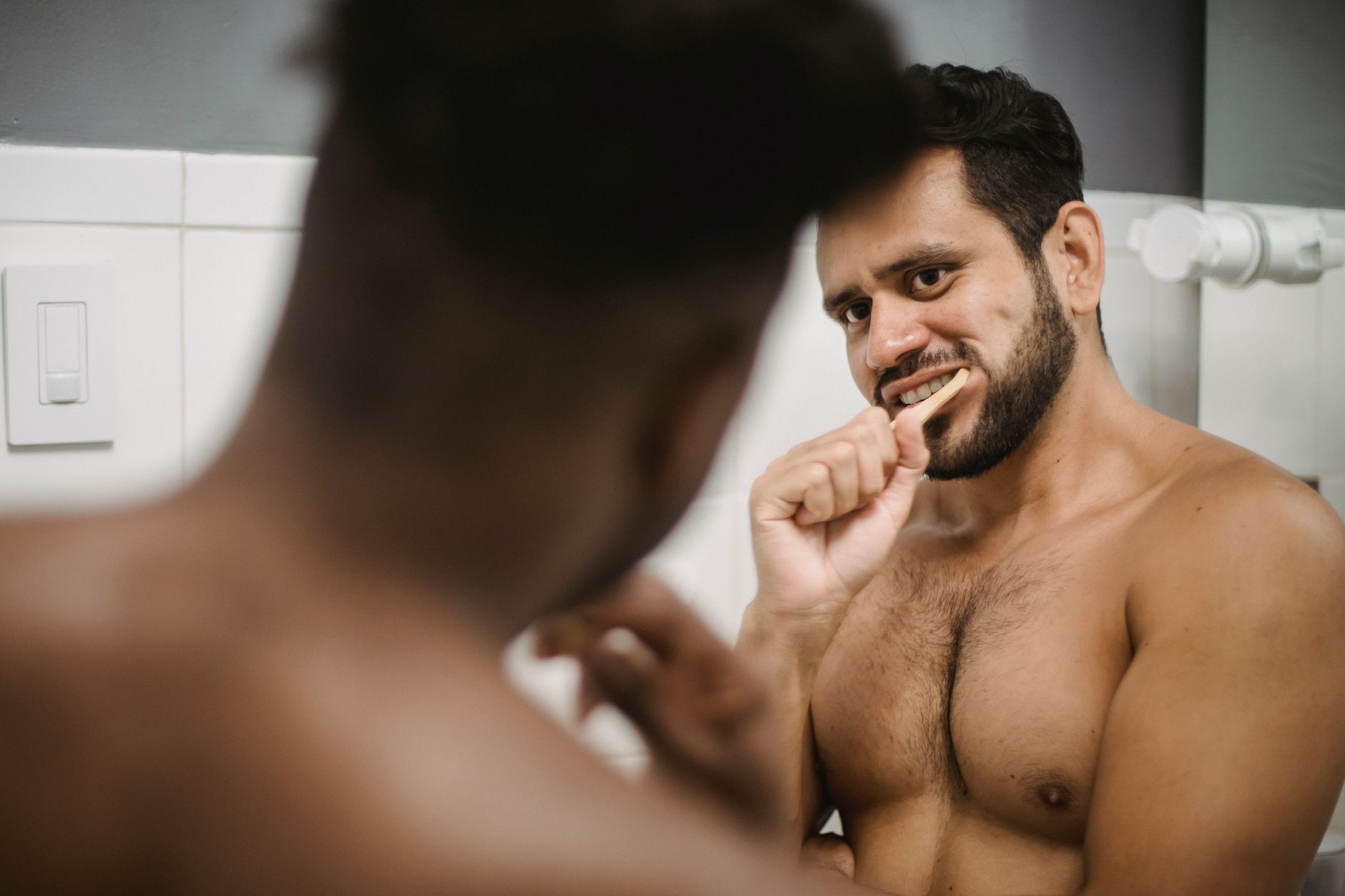
A happy trail refers to a line of hair that extends from the belly button down to the pubic region. This natural phenomenon is common among both men and women, although societal perceptions and grooming preferences can vary significantly. Understanding what a happy trail is, the reasons behind it, and how to groom it can empower individuals to embrace their body hair confidently.
In recent years, body positivity movements have encouraged more inclusive attitudes towards natural features like a happy trail. In this article, we will explore the grooming options available for your happy trail, discuss its meanings, and provide practical tips on how to care for and maintain the area. Whether you’re seeking to keep it natural or groom it to fit your personal style, we’ve got you covered.
What Is a Happy Trail?
A happy trail is a term used to describe the fine to medium body hair that grows in a straight or slightly curved line from the navel down toward the pubic area. For many, it is a perfectly normal part of body hair, and its visibility varies from person to person due to individual genetic makeup and hormonal influences.
This feature has different connotations across cultures and personal preferences. Some may view it as a sign of maturity and attraction, while others may prefer to remove it as part of their grooming routine. Understanding its role in the beauty landscape can help individuals feel more empowered and informed about their choices.
Where Does a Happy Trail Occur?
Happy trails typically appear along the midline of the abdomen and can vary in thickness, color, and density. Here are the key areas associated with a happy trail:
- From the belly button (navel) downward.
- May extend into the pubic area.
- Occasionally connects to the pubic hair., forming a more pronounced line.
The appearance of happy trails can significantly differ based on factors such as skin tone, hair color, and hormonal levels. Some people may have little to no visibility of body hair, while others may see a prominent trail. Understanding your unique body hair patterns can help you decide how you want to manage grooming effectively.
The Meaning Behind a Happy Trail
The happy trail carries different meanings across various cultures and communities. Here are some common interpretations:
- **Symbol of maturity**: Happy trails can signify the transition into adulthood, as they often develop during puberty.
- **Attractiveness in some cultures**: In certain societies, body hair, including happy trails, is considered attractive and desirable, contributing to a person’s overall appeal.
- **Body positivity**: Having a happy trail is a natural and normal aspect of body hair, promoting the idea of embracing one’s natural self.
Grooming Options for Your Happy Trail
You might wonder how to groom your happy trail based on your comfort and aesthetic preferences. Below are some popular grooming methods to consider:
1. Shaving
Shaving is one of the most common methods for grooming body hair, including a happy trail. It is quick and easy, but it can potentially cause razor bumps or irritation. Here’s how to do it safely:
- **Preparation**: Start with clean skin to reduce the risk of infection. Exfoliating the area can also help prevent ingrown hairs.
- **Use a sharp razor**: Always use a clean, sharp razor to minimize skin irritation.
- **Shaving cream or gel**: Apply a high-quality shaving cream or gel to provide lubrication and protection.
- **Shave gently**: Use light strokes in the direction of hair growth to avoid razor burn.
- **Aftercare**: Rinse the area and apply a soothing post-shaving lotion or gel.
For more detailed guidance, refer to our article on how to shave your pubes.
2. Waxing
Waxing is another popular option for those looking for a longer-lasting grooming solution. By removing hair from the root, waxing can keep the happy trail hair-free for several weeks. Keep in mind that the pain level can be higher than shaving:
- **Choose your method**: Wax strips (cold or heated) or professional waxing services are available.
- **Preparation**: Ensure hair is long enough for waxing (about 1/4 inch).
- **Follow instructions**: If using at-home wax, follow the manufacturer’s instructions closely to avoid burns or irritation.
- **Aftercare**: Apply a soothing oil or aloe vera to calm the skin afterward.
3. Trimming
If you prefer not to remove your happy trail completely, trimming is a great option. This method allows you to maintain a tidy appearance while keeping some of your natural hair:
- **Use scissors or a trimmer**: Invest in a good quality pair of grooming scissors or a body hair trimmer.
- **Groom carefully**: Trim the hair to your desired length without going too short.
- **Tidy up**: Clean the edges for a well-groomed look.
4. Hair Removal Creams
Depilatory creams are chemical-based products that dissolve hair at the skin’s surface. They can offer a painless alternative to shaving or waxing:
- **Test for sensitivity**: Always perform a patch test on a small area of skin to check for allergic reactions before applying the cream.
- **Follow instructions**: Follow the directions provided, especially regarding how long to leave the product on.
- **Aftercare**: Rinse the area well post-treatment and moisturize.
5. Laser Hair Removal
For a more permanent solution, laser hair removal is an option worth considering. It requires multiple sessions but can significantly reduce hair growth over time:
- **Consult a professional**: It’s important to seek a qualified technician or dermatologist for safety and effectiveness.
- **Understand the process**: Be aware of the possible discomfort and time commitment involved.
- **Post-treatment care**: Follow the aftercare instructions given by your technician for the best results.
Common Mistakes to Avoid When Grooming Your Happy Trail
While grooming, it’s easy to make mistakes that can lead to irritation or unsatisfactory results. Here are a few things to keep in mind:
- **Skipping exfoliation**: Exfoliating before shaving or waxing helps prevent ingrown hairs.
- **Using dull razors**: Dull blades can cause nicks, cuts, and razor burn.
- **Neglecting aftercare**: Always follow up your grooming with appropriate lotions or soothing agents.
- **Ignoring skin reactions**: Stop using any product that causes irritation or discomfort.
Signs of Irritation or Discomfort
Be aware of the following signs that may indicate irritation or an allergic reaction after grooming:
- Redness or inflammation in the groomed area.
- Small bumps or blisters.
- Itchiness or burning sensations.
If you experience any of these symptoms, consider consulting a healthcare professional for advice. Adjusting your grooming routine or product use may also improve your experience in the future.
Body Hair Trends and Acceptance
The conversation around body hair has evolved significantly over the years. A shift towards body neutrality and body positivity has led many individuals to embrace their natural features, including happy trails. Here’s a closer look at current trends:
- **Acceptance of Diversity**: Body hair is no longer seen as a one-size-fits-all situation, and embracing unique hair patterns is growing in popularity.
- **Social Media Impact**: Platforms like Instagram and TikTok have seen influencers and everyday individuals showcase happy trails, encouraging their followers to feel comfortable in their skin.
- **Preference Fluidity**: More people are choosing to express body hair as an individual preference rather than adhering to societal standards.
Maintaining Hygiene and Care
No matter how you choose to groom your happy trail, maintaining hygiene is crucial. Here are some simple steps to incorporate into your routine:
- **Keep the area clean**: Wash the area regularly with gentle soap to remove sweat and bacteria.
- **Moisturize**: Apply a natural moisturizer to keep the skin smooth and hydrated.
- **Wear breathable fabrics**: Opt for loose and breathable fabrics to promote airflow and reduce irritation.
Exploring Personal Preferences
Grooming is a personal choice, and what works for someone else may not suit you. Here are some questions to consider when choosing your grooming style:
- How visible is your happy trail, and do you want it to remain natural or groomed?
- What method aligns with your lifestyle in terms of time, cost, and pain tolerance?
- How do you feel about body hair? Is there a societal influence affecting your perception?
Ultimately, understanding these factors can help you make informed decisions about your grooming routine, allowing you to feel confident and true to yourself.
A Final Thought on Beauty and Confidence
Your body hair—and your happy trail—are part of who you are. Embracing or grooming it is a personal decision, and there is no right or wrong answer. The key is to cultivate a sense of confidence that aligns with your values.
If you’re interested in learning more about grooming techniques, be sure to check out our guides on how to get rid of razor bumps on the pubic area and how to shave your pubes. These resources will help you maintain a comfortable and attractive grooming routine.