
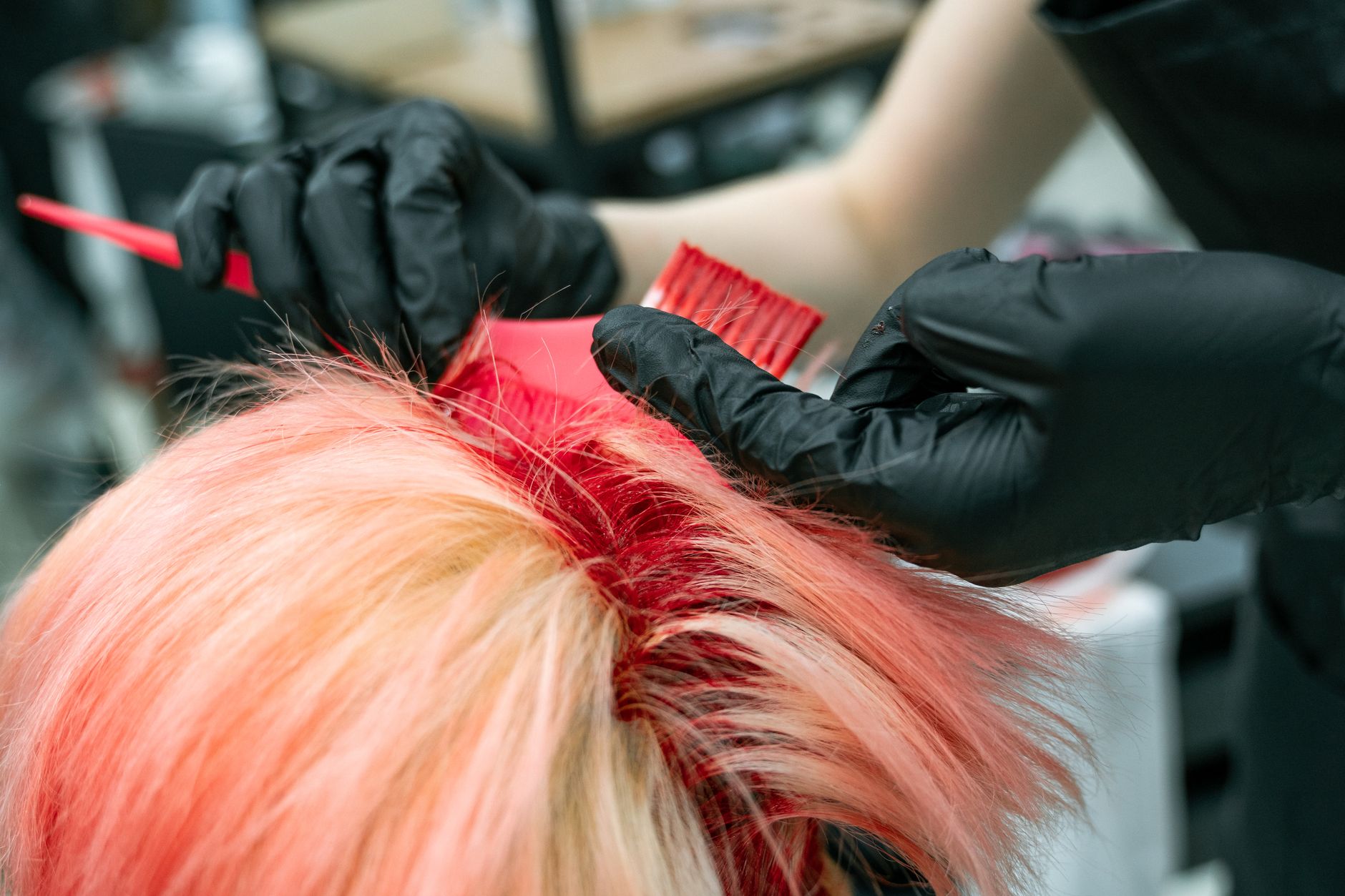
When it comes to hair color, maintaining a seamless look can be a challenge, especially as roots grow out. A root smudge is a popular technique that helps create a natural and blended effect at the roots, pulling the overall color look together. This method is particularly favored for its subtlety and ability to extend the life of a hair color treatment.
Whether you’re new to the world of hair coloring or simply exploring options to refresh your existing hue, understanding what a root smudge entails can help you achieve a more flattering result. In this guide, we will delve into what a root smudge is, how it works, tips for hair care following this technique, and also how to maintain that fresh look for a longer duration.
What Is a Root Smudge?
A root smudge, also known as a root shadow or root melt, is a hair coloring technique that involves lightly applying a darker shade of color or a semi-permanent dye to the roots. This is typically a few shades darker than the rest of the hair color. The goal is to create a natural gradient or transition from the roots to the ends, giving the appearance of softer growth and minimizing any harsh lines that can result from colored hair regrowth.
The technique is especially beneficial for those with lighter hair colors, highlights, or balayage. As the hair grows, the root smudge helps to keep the look cohesive and blended rather than stark and jarring. It not only conceals the roots but also adds dimension and depth to the overall color.
How It Works
The process of creating a root smudge generally involves two main steps: applying color to the roots and blending it into the length. Here’s a closer look at how this is typically done in a salon setting:
- Consultation: The stylist assesses your current hair color, determines the best shade for the root smudge, and discusses your desired look.
- Application: The darker color or dye is applied directly to the roots using either a brush or foiling techniques. This step can take varying amounts of time, depending on the thickness and length of your hair.
- Blending: The stylist then blends the applied dye into the mid-length and ends of your hair, usually using a feathering technique to ensure a seamless transition. The blending may involve using a brush or a comb.
- Processing: The color is left to process according to the manufacturer’s guidelines.
- Rinse and Style: After achieving the desired color, the hair is rinsed, conditioned, and styled as per your request.
Benefits of a Root Smudge
There are numerous advantages to opting for a root smudge, especially if you regularly color your hair. Here are some reasons why this technique might be ideal for you:
- Natural Appearance: The gradient effect avoids a line of demarcation between your natural roots and colored hair, creating a more natural look.
- Less Maintenance: A root smudge can extend the time between appointments, as it softens the grow-out period, allowing for a low-maintenance style.
- Great for Highlights: If you have highlights or balayage, a root smudge helps to marry the darker roots with the lighter ends, enhancing the overall color.
- Versatility: It can be adapted to various hair types, lengths, and colors, making it a versatile choice for many.
- Dimension and Depth: This technique can provide depth to flat hair colors, adding interest and movement.
Hair Care Tips After a Root Smudge
Maintaining vibrant hair color, especially after a treatment like a root smudge, requires attention to care and maintenance. Here are some essential hair care tips to ensure your color stays fresh:
1. Use Color-Safe Products
Invest in shampoos and conditioners specifically formulated for color-treated hair. These products help protect your hair from fading while providing moisture and nourishment.
2. Limit Washing
Try to wash your hair less frequently, ideally every two to three days. This helps preserve the color and natural oils that keep your hair healthy. When you do wash your hair, use lukewarm water instead of hot water, as hot water can strip color more quickly.
3. Avoid Heat Styling
Excessive heat can damage hair and lead to color fading. If possible, avoid heat styling tools like blow dryers, straighteners, and curling irons. When you do need to use them, apply a heat protectant spray beforehand.
4. Deep Conditioning Treatments
Regularly use deep conditioning masks or treatments to keep your hair hydrated and healthy. This replenishes moisture lost during the coloring process and helps maintain its overall shine.
5. Minimal Sun Exposure
Protect your hair from prolonged sun exposure, which can cause color to fade. Consider wearing a hat while outside or using hair products that have UV protection.
6. Touch-Up Techniques
If your roots begin to grow out, consider using a root touch-up spray or powder that matches your hair color to conceal any visible roots between salon visits.
Common Mistakes to Avoid
While a root smudge can be an excellent choice for many, there are common pitfalls to avoid to make the most of this technique:
- Choosing the Wrong Shade: Selecting a root smudge color that is too dark or does not complement your overall hair color can result in an unnatural look. Always consult with your stylist to find the perfect match.
- Overdoing the Application: Less is more. Applying too much product can result in a heavy appearance rather than a subtle blend. A qualified stylist will know how to achieve that perfect gradient.
- Skipping Maintenance: Ignoring the care your hair needs after a color treatment can lead to dryness, fading, and breakage. Stick with a solid hair care regimen to keep your hair healthy.
- Neglecting Regular Appointments: Even with a root smudge, it’s essential to schedule regular touch-ups every 6-8 weeks, depending on your hair growth and color fading.
Ideal Hair Types for a Root Smudge
A root smudge can be advantageous for various hair types and textures. Here are some ideal candidates for this technique:
- Color-Treated Hair: If you’ve previously dyed your hair, a root smudge can help maintain a natural-looking grow-out.
- Highlighted Hair: Those with highlights can benefit from the blending aspect of a root smudge, enhancing the overall vibrancy of your look.
- Curly or Wavy Hair: This technique can add depth and dimension to curly or wavy hair, providing contrast and making curls appear more defined.
- Straight Hair: Straight hair can benefit from the subtle depth added by a root smudge, avoiding a one-dimensional appearance.
How to Choose a Hair Color for Smudging
Selecting the right color for a root smudge is crucial to achieving a balanced and polished look. Here are some guidelines to help you make that choice:
- Consult with a Professional: Always discuss options with a hairstylist who can advise on the best shades based on your base color and desired outcome.
- Base Color Consideration: Choose a smudge shade that is 1-2 shades darker than your natural hair color to create a seamless blend.
- Consider Skin Tone: Take your complexion into account; warmer skin tones often pair well with golden or honey tones, while cooler skin tones may suit ashier or cooler shades.
- Test Before Committing: If you’re unsure about a color, ask for a strand test to see how the color looks before making a full commitment.
Popular Techniques to Combine with a Root Smudge
Root smudges can be combined with various other coloring techniques to enhance overall results. Here are a few to consider:
- Balayage: This free-hand highlighting technique works well with a root smudge, creating a soft, sun-kissed effect.
- Ombre: The root smudge can effectively transition into a lighter ombre effect, offering more dimension to your hair color.
- Color Melting: Similar to a root smudge, color melting involves blending multiple shades to create a seamless look, enhancing depth and movement.
Maintaining Your Root Smudge Look
After your appointment, maintaining the look is essential. Here are some additional tips for keeping your root smudge looking fresh:
- Regular Trims: Ensure you get regular trims to maintain the shape of your hairstyle. This will help keep your ends healthy and your color looking fresh.
- Mask Treatments: Incorporate weekly or bi-weekly deep-conditioning masks to nourish your hair and retain moisture after coloring.
- Stay Hydrated: Drink plenty of water and eat a balanced diet for overall hair health. Healthy hair begins from within.
Conclusion
A root smudge can be a fantastic choice for anyone looking to blend their roots with color or simply add depth to their overall look. With proper maintenance and care, you can keep your hair looking lush and vibrant between appointments. Consider consulting with a professional stylist to explore this coloring technique and adapt it to suit your unique style and hair needs.
If you’re interested in enhancing your hair even further, check out our related guides on hair toner and hair gloss: What is Hair Toner? and What is a Gloss for Hair?.