
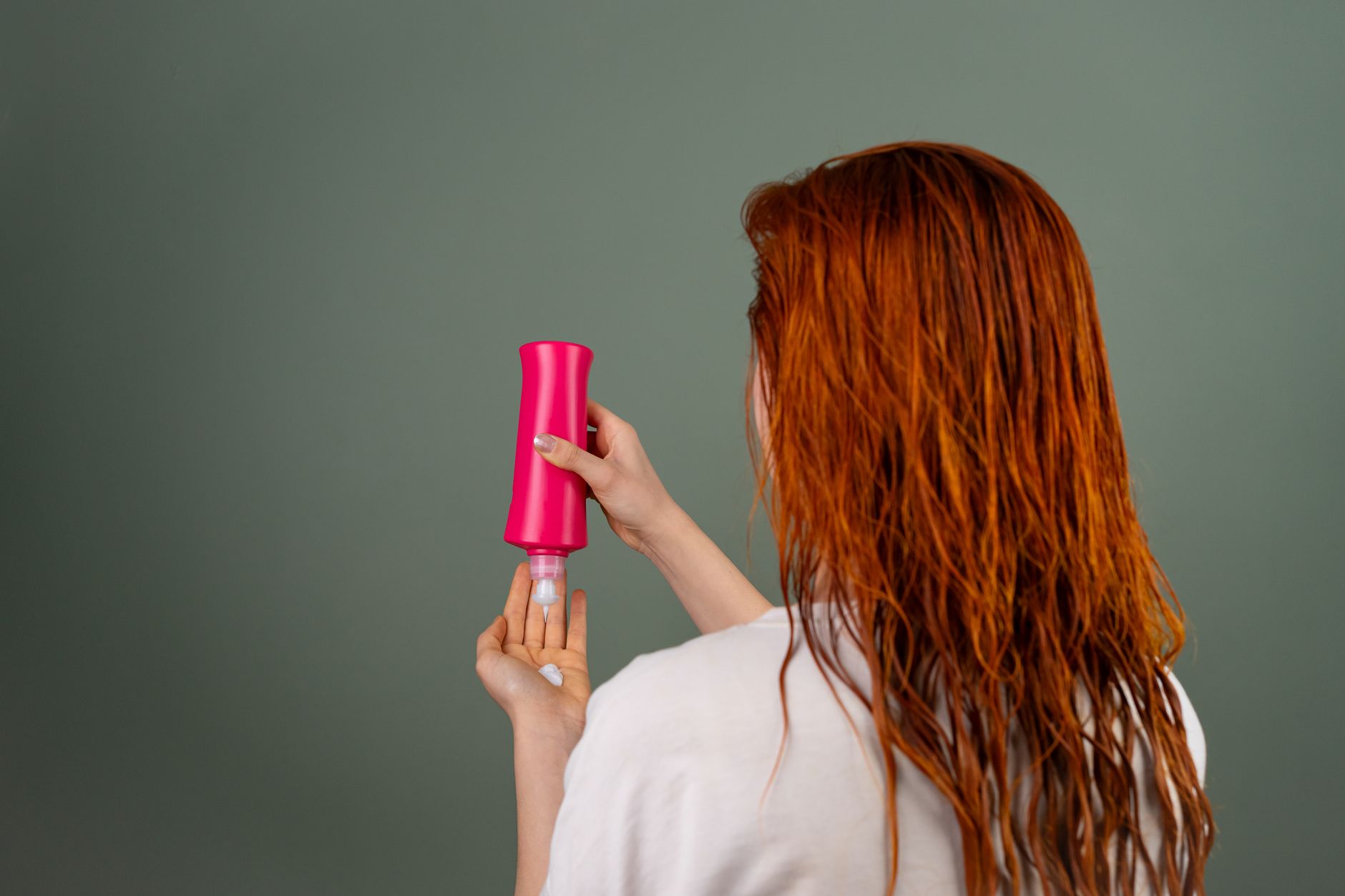
Leave-in conditioner is a specialized hair care product designed to provide additional moisture, protection, and manageability to your hair after washing. Unlike traditional conditioners, which are rinsed out after a few minutes, leave-in conditioners remain in the hair, working to nourish and protect throughout the day. This article will explore types, benefits, tips for usage, and how to select the right leave-in conditioner for your hair type.
For those looking to improve texture, control frizz, or maintain hydration, understanding leave-in conditioners can enhance your hair care routine significantly. Let’s delve into what leave-in conditioner is, the different types available, and how to maximize its benefits for your specific hair needs.
What Is Leave-in Conditioner?
Leave-in conditioners are lightweight, hydrating formulas that you apply to clean, damp hair without rinsing them out. They serve multiple purposes, including detangling, moisturizing, and protecting hair from environmental damage. Formulated with a blend of conditioning agents, humectants, and sometimes oils, these products help to improve the overall health and appearance of your hair.
Types of Leave-in Conditioners
Understanding the different types of leave-in conditioners available can help you choose one that suits your hair type and specific needs. Here are the main types:
- Creams: Thicker than sprays or lotions, creams are great for dry or curly hair types that require intensive moisture and frizz control.
- Sprays: Lightweight and easy to use, spray leave-ins are ideal for fine or straight hair that may become weighed down by heavier products.
- Lotions: A hybrid between creams and sprays, lotions offer a balanced option that can suit various hair types, providing moisture without feeling greasy or heavy.
- Gels: Designed to provide hold along with moisture, gels are suitable for styling purposes, especially for curl definition and managing waves.
- Oils: Often infused with nourishing ingredients, oil-based leave-ins can deliver deep hydration, particularly beneficial for dry or damaged hair.
Benefits of Leave-in Conditioner
Leave-in conditioners offer numerous benefits that contribute to the overall health and appearance of your hair:
- Moisture Retention: Leave-in conditioners help to keep hair hydrated, reducing dryness and brittleness, especially in climates with low humidity.
- Detangling: They make combing or brushing your hair easier by providing slip, minimizing breakage and split ends.
- Frizz Control: Leave-ins help to smooth the hair cuticle, which can significantly reduce frizz and flyaways.
- Heat Protection: Some leave-in conditioners contain ingredients that protect against heat damage from styling tools.
- Enhanced Manageability: By taming unruly strands, leave-ins allow for easier styling and a polished look.
- Color Protection: Many formulas are designed to protect color-treated hair, helping to maintain vibrancy longer.
- Overall Hair Health: Regular use of leave-in conditioners can strengthen hair and improve elasticity, reducing the likelihood of damage.
How to Use Leave-in Conditioner
Selecting and applying leave-in conditioner properly can maximize its benefits. Here’s a simple guide on how to incorporate it into your routine:
- Start with Clean Hair: Wash your hair using a gentle shampoo. Condition your hair with a rinse-out conditioner if needed.
- Rinse and Towel Dry: Gently towel dry your hair to remove excess water. Avoid vigorous rubbing, which can cause damage.
- Apply the Leave-in Conditioner: Depending on your hair length and thickness, dispense a small to moderate amount of product into your palms. For shorter hair, a dime-sized amount may be sufficient, while longer hair may need a quarter-size or more.
- Distribute Evenly: Rub your hands together and apply the product evenly, focusing on the mid-lengths to the ends of your hair. Avoid the roots to prevent weighing down your hair.
- Style as Usual: Depending on your style preferences, you can air dry, blow dry, or use styling tools right after applying the leave-in conditioner.
- Adjust Application Frequency: You can use leave-in conditioner after each wash or whenever your hair feels dry or needs extra moisture.
Tips for Choosing the Right Leave-in Conditioner
Choosing the ideal leave-in conditioner for your hair type is essential for achieving the best results. Consider the following factors:
- Hair Type: Know your hair texture and porosity. Fine hair often benefits from lightweight sprays, while thick, curly hair might need richer creams or oils.
- Purpose: Determine what you need from the product. Are you hoping to detangle, enhance shine, fight frizz, or protect color?
- Ingredients: Look for hydrating ingredients like glycerin, aloe vera, and natural oils. Avoid products with high alcohol content, which can dry hair.
- Fragrance: Consider the scent of the product. Some prefer unscented formulas, while others enjoy fragrant options.
- Silicone Content: Silicones can provide shine and detangling benefits but may weigh down finer hair types. Assess if you want them in your product.
Common Mistakes to Avoid with Leave-in Conditioner
Using leave-in conditioners effectively requires some attention to detail. Here are a few common mistakes to avoid:
- Using Too Much Product: Over-application can lead to weighed-down hair and greasiness. Start with less and add more as needed.
- Applying to Dry Hair: Leave-in conditioners are most effective on damp hair post-wash. Applying it to dry hair may not yield the same benefits.
- Neglecting the Ends: Focus on the mid-lengths and ends of your hair, where damage is more likely to occur, rather than the roots.
- Not Adjusting for Seasons: Your leave-in needs may change with the seasons; switch to a heavier formula in winter and a lighter one in summer.
- Ignoring Ingredients: Not all leave-in conditioners are created equal. Familiarize yourself with what works best for your hair type.
Leave-in Conditioner for Different Hair Types
Leave-in conditioners are versatile and can cater to a variety of hair textures and types. Here’s how to choose based on your specific hair characteristics:
Fine Hair
If you have fine hair, opt for lightweight sprays or lotions that won’t weigh your hair down. Look for formulas designed to add volume and shine without heavy oils.
Curly Hair
Curlier hair types benefit from thicker creams or gels that provide hydration and definition. Ingredients like shea butter or coconut oil can help define curls while reducing frizz.
Coarse or Thick Hair
For coarse or thick hair, choose rich creams or oil-based leave-ins that help combat dryness and promote manageability. Heavy-duty moisture is essential to soften and tame thicker strands.
Color-Treated Hair
Color-treated hair should prioritize leave-ins that protect color and enhance shine. Look for formulas that include UV filters and antioxidants to preserve color longevity.
Incorporating Leave-in Conditioner into Your Routine
To achieve maximum benefits from leave-in conditioners, consider the following routine:
- Daily Conditioning: Utilize leave-in conditioners after each wash to keep hair hydrated.
- Midweek Refresh: Reapply on dry hair midweek for an instant hydration boost, especially for dry or curly hair.
- Before Styling: Always apply before using heat tools to offer additional protection against damage.
- Mixing Products: You can layer leave-in conditioner with other styling products for enhanced results. Just ensure you don’t overload your hair.
Conclusion
Leave-in conditioner is an essential product for many hair care routines, offering immense benefits in maintaining moisture, softness, and manageability. By selecting the right type based on your hair needs and using it properly, you can enhance your hair’s health and appearance.
Next time you’re in the beauty aisle, remember the different types of leave-in conditioners available and choose one that aligns with your hair goals. Whether you need a cream for dry hair or a lightweight spray for fine strands, incorporating leave-in conditioner can lead to healthy and vibrant hair.
For more tips on using leave-in conditioner, check our guide on how to use leave-in conditioner, or learn about ways to moisturize hair effectively.