
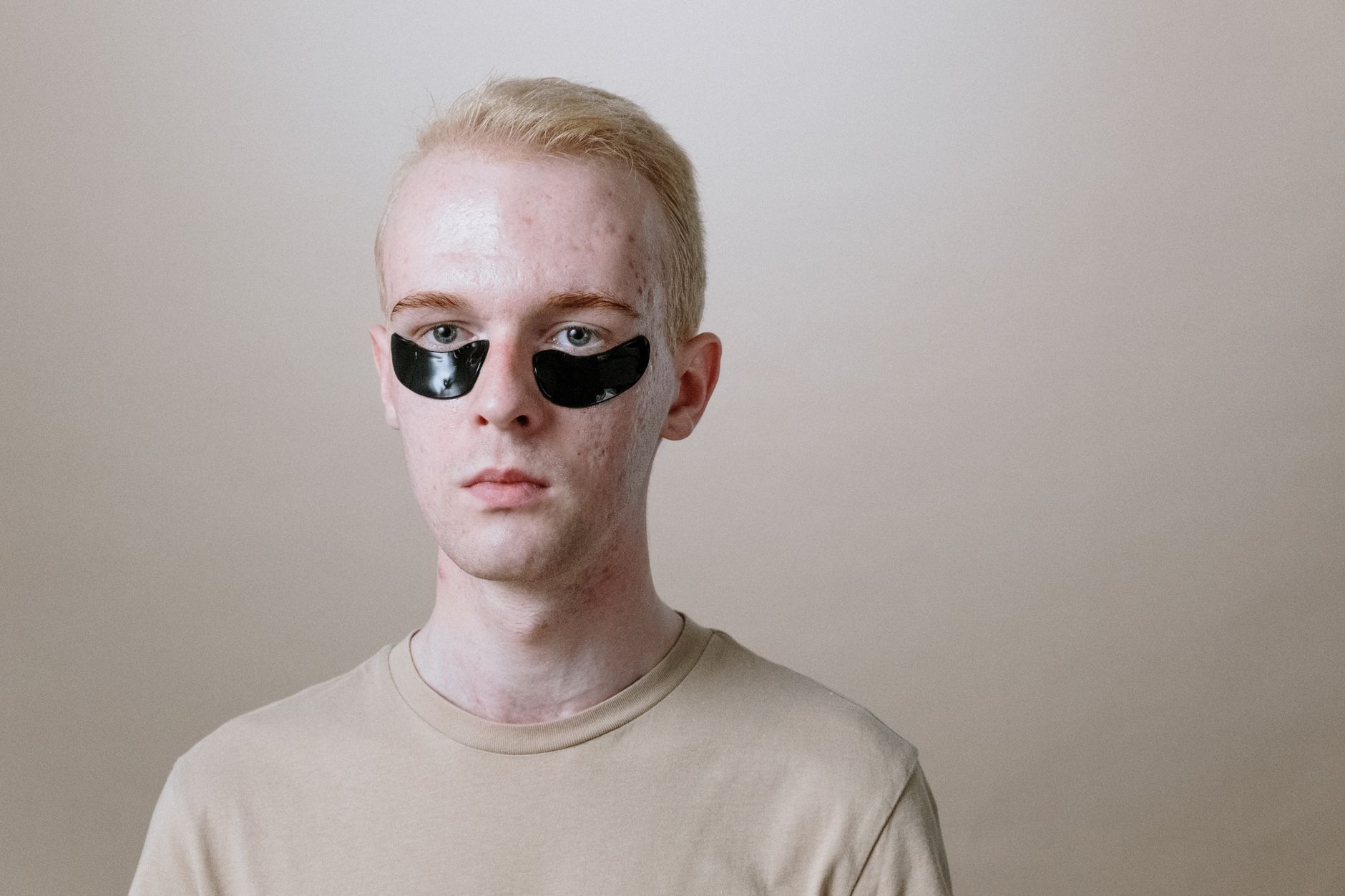
Pimples can be a source of frustration for many, raising the question of what really happens to the pus if you resist the urge to pop it. Understanding how pimples heal and what goes on beneath the skin can aid in better skincare choices. This article will explore the lifecycle of a pimple, how your skin deals with pus, and effective methods for promoting healing without popping.
Let’s delve deep into this beauty topic to empower your skincare routine and minimize those pesky breakouts. Understanding where the pus goes and the healing process can also shed light on maintaining clearer skin.
Where Does Pimple Pus Go If You Don’t Pop It?
If you don’t pop a pimple, the pus typically reabsorbs back into the body. The immune system acts quickly, breaking down the bacteria and dead skin cells present inside the pimple. This process can lead to gradual healing, often resulting in reduced inflammation and the eventual disappearance of the pimple.
Understanding Pimples and Their Formation
Pimples form mainly due to clogged pores caused by several factors. These include excessive oil production, bacteria, dead skin cells, and sometimes inflammation.
The Role of Sebum in Pimple Development
Sebum, the natural oil produced by sebaceous glands, plays a crucial role in skin health. However, when these glands become overactive, they can produce excess oil. This excess sebum, along with dead skin cells, can clog pores and create an optimal environment for bacteria to thrive.
Types of Pimples
Understanding different types of pimples can help you create a more tailored skincare routine. Here’s a quick overview:
- Whiteheads: Closed clogged pores filled with oil and dead skin.
- Blackheads: Open clogged pores that darken due to oxidation.
- Papules: Red and raised bumps without visible pus.
- Pustules: Similar to papules but filled with pus.
- Cysts: Deep, painful lumps filled with pus, often associated with acne.
How Does Pus Form in a Pimple?
When a pimple forms, the body’s immune system responds to the bacteria present, leading to the accumulation of white blood cells. These cells rush to the area to fight infection, resulting in inflammation and the production of pus, which consists of dead cells, bacteria, and debris.
The Healing Process of a Pimple
When you choose not to pop a pimple, multiple steps take place in the healing process:
- Inflammation: Initially, the body reacts to the infection with inflammation, evident through redness and swelling.
- Pus Formation: As the immune system fights off the bacteria, pus accumulates.
- Absorption: If the pimple remains unpopped, the body gradually resorbs the pus, effectively clearing the infection.
- Healing: Eventually, the skin heals itself, and the pimple diminishes.
Benefits of Not Popping Your Pimples
While the temptation to pop pimples can be strong, avoiding this action has several benefits that contribute to overall skin health:
- Reduced Risk of Scarring: Popping a pimple can lead to scarring or dark spots that take much longer to heal than the original pimple.
- Minimized Inflammation: Popping can cause further inflammation and irritation, worsening the situation.
- Prevention of Spread: When you pop a pimple, the bacteria can spread to other pores, potentially causing new breakouts.
Effective Ways to Handle Pimples Without Popping
There are various methods to manage pimples without resorting to popping, ensuring a smoother healing process and healthier skin overall:
1. Use Spot Treatment
Applying a spot treatment containing benzoyl peroxide or salicylic acid can reduce bacteria and inflammation. Follow the product directions for best results.
2. Keep the Area Clean
Maintain cleanliness by gently cleansing your face twice a day with a suitable cleanser. Over-cleansing can aggravate skin issues, so balance is key.
3. Ice the Pimple
Icing a pimple can reduce swelling and inflammation. Wrap ice in a cloth and gently press it against the area for a few minutes.
4. Use Pimple Patches
Pimple patches can absorb excess fluid and help heal the pimple. They also create a barrier to prevent touching the spot and introduce more bacteria.
5. Hydrate and Moisturize
Keeping your skin adequately hydrated is important for healing. Choose non-comedogenic moisturizers that won’t clog pores.
When to Seek Professional Help
Sometimes, an at-home approach may not suffice, and seeking professional help is advisable. Consider consulting a dermatologist if:
- Your acne is severe or persistent.
- You experience painful cystic acne.
- Over-the-counter treatments are ineffective after several weeks.
Conclusion: Embracing a Healthy Skincare Routine
While it can be tempting to pop a pimple, understanding the healing process and the journey of pus can guide you towards healthier skincare practices. By allowing pimples to heal naturally, your skin has a better chance of remaining free from scarring and additional breakouts.
Take the time to develop and maintain a suitable skincare routine, including gentle cleaning, spot treatment, and hydration. This not only addresses existing pimples but can also help prevent future breakouts from occurring.
For further skincare insights, explore guides on how pimple patches work and removing skin tags effectively. These resources can provide valuable information to enhance your beauty routine.