
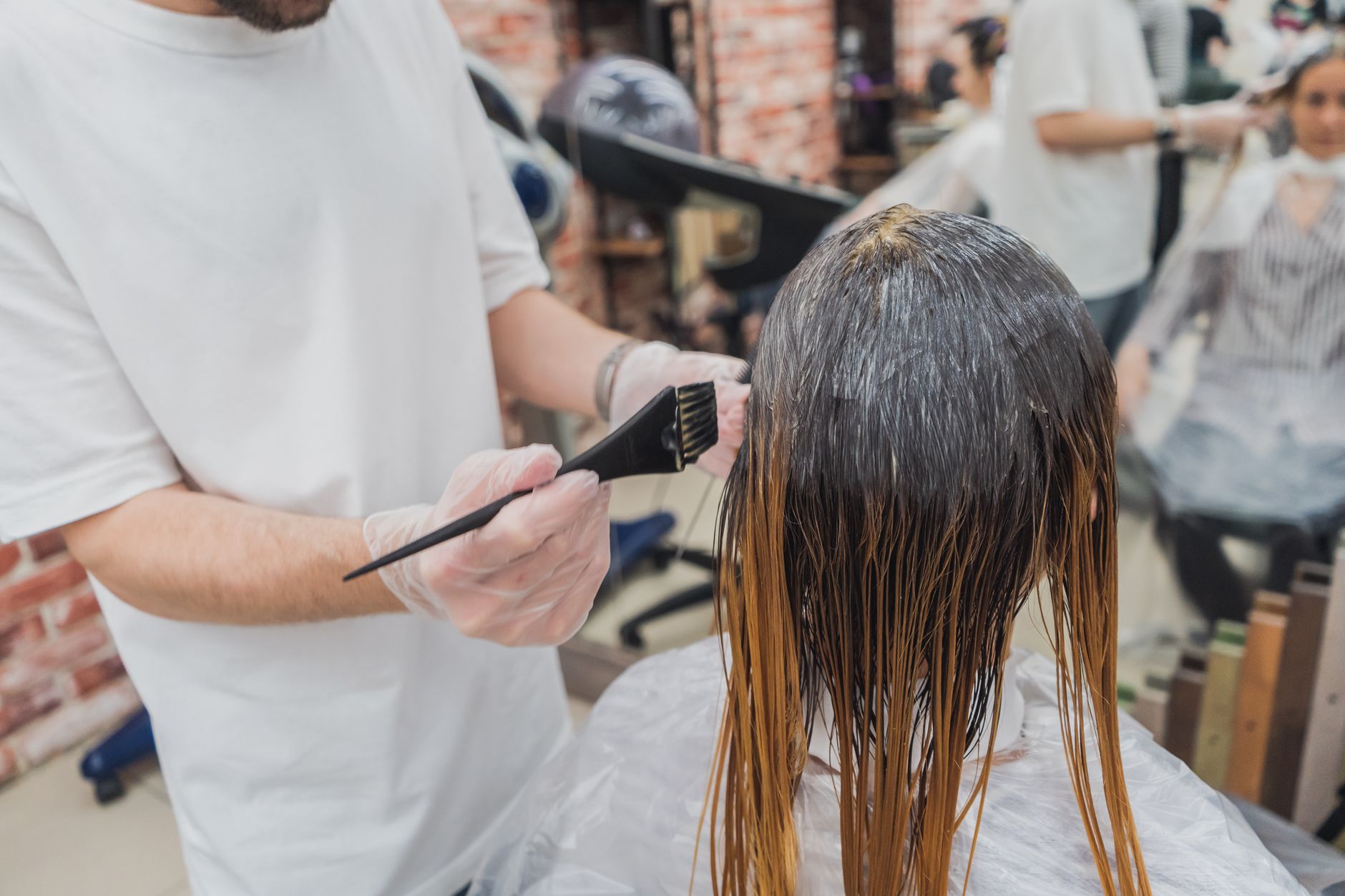
Bleaching your hair can be a transformative experience, allowing you to achieve a stunning new look. However, timing is key when it comes to this process. Understanding how long to leave bleach in your hair is essential to avoid damage while still achieving your desired shade. This guide will help you navigate that critical timing, as well as offering tips to ensure your bleaching experience is successful and less stressful.
In this article, we’ll discuss the factors that determine how long you should leave bleach in your hair, the signs to look for during the process, and practical tips to help protect your hair throughout. Whether you’re a novice or an experienced home bleacher, this information will empower you to make informed choices.
How Long Should I Leave Bleach in My Hair?
The ideal time to leave bleach in your hair typically ranges from 20 to 40 minutes, depending on several factors such as your hair type, the desired lift, and the strength of the bleach used. However, it’s crucial to monitor your hair’s progress throughout the process to prevent over-processing and damage.
Remember, hair that is darker or more resistant may need more time than lighter or finer hair. It’s also important to carry out a strand test before the actual bleaching process to help determine the right timing for your specific situation.
Understanding the Bleaching Process
Before diving into timing, it’s useful to understand what bleach does to your hair. Bleach works by stripping the hair of its natural pigment, melanin. This action can leave your hair vulnerable if not monitored properly. Here’s a deeper look into the components involved in hair bleaching:
- Oxidizing Agent: Practically all hair bleaches contain hydrogen peroxide, which reacts with melanin in the hair. The strength of the peroxide usually dictates how much lift you can achieve.
- Alkali Agent: Ammonia or a non-ammonia formula is often included to help open the hair cuticle, allowing the bleach to penetrate more thoroughly.
- Time: The longer bleach is left on hair, the more melanin is removed. This should be carefully timed to avoid damage.
Factors Influencing Bleach Timing
Several factors can influence how long you should leave bleach in your hair:
1. Hair Type and Texture
Your hair’s type and texture significantly impact how it reacts to bleach. For example:
- Fine Hair: Generally processes quicker, so aim for the lower end of the time spectrum (20-30 minutes).
- Medium to Thick Hair: May require more time (30-40 minutes) to achieve the desired level of lightness.
- Curly or Coarse Hair: May absorb bleach differently — check frequently for desired results.
2. Natural Hair Color
Your starting hair color can influence how quickly you achieve lift:
- Dark Brown to Black: These colors typically require a longer processing time.
- Light Brown to Blonde: Generally requires less time for lifting.
3. Desired Result
How light you want to go greatly affects the timing:
- Subtle Highlights: About 20 minutes may suffice.
- Full Platinum Blonde: Might require 30-40 minutes, depending on your base color.
4. Bleach Strength
The strength of the bleach (measured in volume) impacts the processing time:
- 20 Volume: Good for slight lifts and generally requires less time.
- 30 Volume: More potent, often leading to faster results, but should be monitored closely.
- 40 Volume: Extremely strong — use only if experienced, and expect faster results.
Conducting a Strand Test
A strand test is one of the best ways to determine how long to leave bleach in your hair. Here’s how to do it:
- Start by taking a small section from an inconspicuous area, such as the back of your head.
- Mix your bleach according to the instructions.
- Apply the bleach, ensuring even coverage.
- Set a timer for 10 minutes, then check the color. If you want to lighten more, continue checking every 5-10 minutes until reaching the desired shade.
- After rinsing, treat the strand with conditioner to gauge how your hair reacts post-bleach.
Signs to Watch For During Bleaching
Monitoring your hair while the bleach is in is crucial. Here are some signs to help you:
- Color Change: Observe the color at intervals. You want to lighten without going too far.
- Heat Sensation: If your scalp feels overheated or uncomfortable, it may be time to rinse out the bleach.
- Hair Texture: If hair feels overly dry or brittle during the process, stop! Rinse and condition.
Bleach Application Tips
To get the best results while minimizing damage, consider these application tips:
- Prep Your Hair: Don’t bleach freshly washed hair. Allow natural oils to build up for protection.
- Section Your Hair: Work in small sections to ensure even application.
- Use a Barrier: Apply a protective oil or leave-in conditioner along your hairline to prevent skin irritation.
- Apply Quickly: Once mixed, apply the bleach promptly to avoid compromising the formula’s potency.
Aftercare: Nourishing Your Hair Post-Bleach
After bleaching, your hair needs some TLC. Here’s how to nurture it:
- Rinse and Condition: Immediately rinse out the bleach and follow up with a deep conditioner. This helps restore moisture.
- Leave-In Treatments: Utilize leave-in conditioners or serums designed for bleached hair to maintain hydration.
- Limit Heat Styling: If possible, refrain from heat tools for a few weeks to avoid further damage.
- Regular Trims: Keeping your split ends at bay can help overall appearance and health.
Common Mistakes to Avoid When Bleaching Hair
Being aware of potential missteps can prevent frustration:
- Panic Rinsing: Don’t be quick to rinse; this can lead to uneven results. Always monitor properly.
- Overlapping: When applying bleach to previously bleached sections, avoid overlap to minimize damage.
- Skipping Strand Tests: Never skip this step! It’s your best measure of timing and effectiveness.
Caring for Bleached Hair in the Long Run
Maintaining bleached hair requires regular care to keep it looking vibrant and healthy:
- Use Sulfate-Free Shampoo: Sulfates can strip color; opt for gentle, hydrating formulas.
- Regular Conditioning: Invest in a high-quality conditioner designed for color-treated hair.
- Color-Depositing Products: Consider using shampoos or conditioners that deposit color to maintain your shade.
- Protect from the Sun: UV rays can fade color; wear hats or use UV-protectant hair products if exposed.
Conclusion
Knowing how long to leave bleach in your hair is a balancing act of various factors — from hair type to desired color. Always prioritize caution to prevent damage by monitoring the process and heeding signs from your hair. Once you achieve the look you want, commit to a solid aftercare routine to maintain its integrity. You’ve got this!
Explore more about achieving your hair goals with guides on how long to leave bleach in hair and learn how to bleach your hair effectively for a fabulous change.