
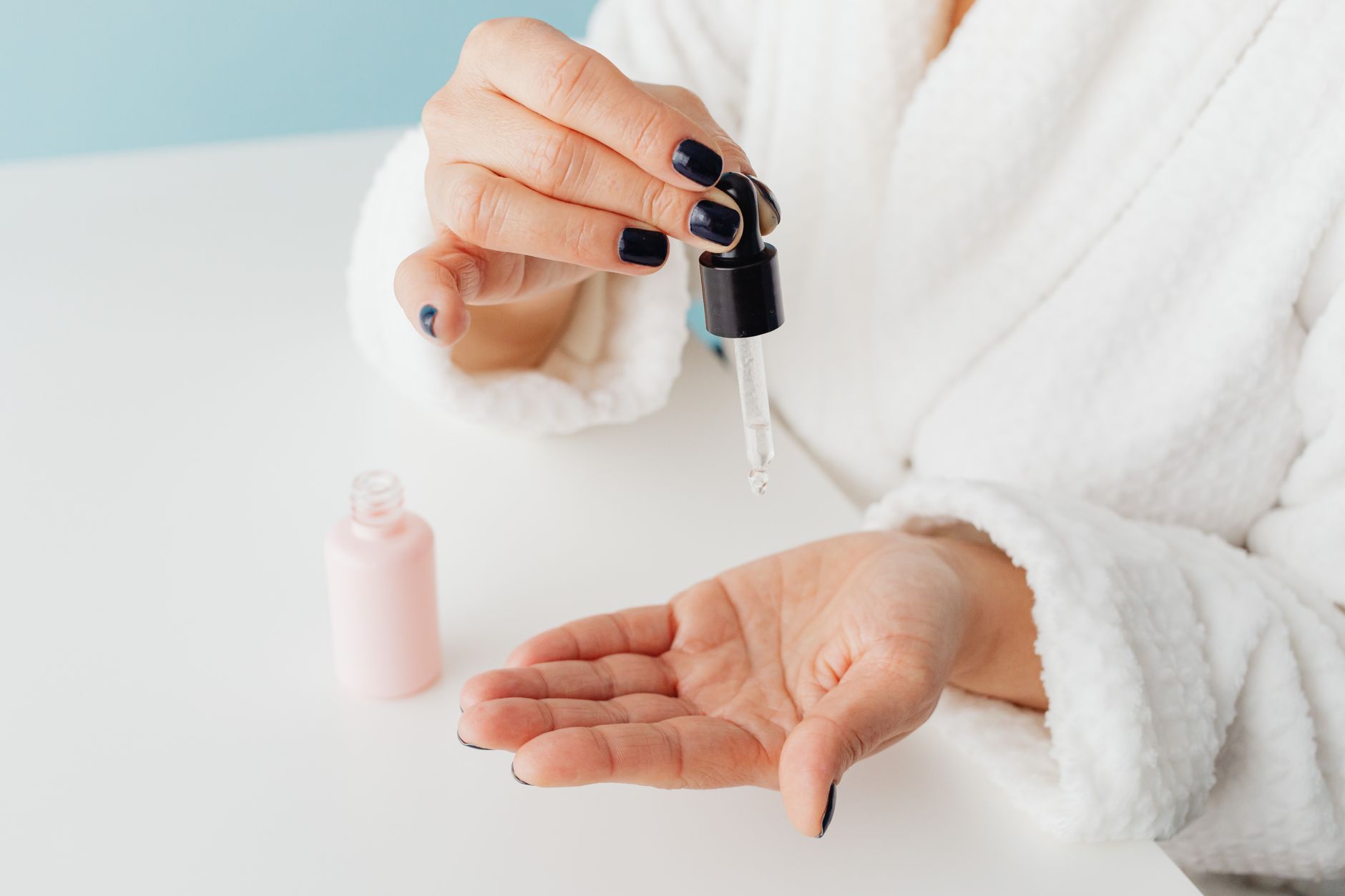
As new mothers navigate the beautiful but often challenging journey of motherhood, their beauty routines may need adjustments to accommodate various health considerations. One common query from breastfeeding women is whether they can use retinol in their skincare routines. Retinol, a powerful derivative of vitamin A, is widely recognized for its ability to reduce fine lines, improve skin texture, and combat acne. However, the safety of using retinol while breastfeeding is crucial to understand.
In this guide, we’ll explore the implications of using retinol during breastfeeding, the potential risks involved, and recommend effective alternatives for nurturing your skin while prioritizing your health and your baby’s. Let’s dive into the details!
Can You Use Retinol While Breastfeeding?
The short answer is generally no, experts advise against using retinol while breastfeeding. The reason for this caution lies in the potential risks associated with the ingredient and its effects, which may not be fully understood in the context of nursing mothers. Retinol is known to penetrate the skin and potentially enter the bloodstream, raising concerns about its transfer to breast milk.
While limited research exists regarding the direct impact of retinol on breastfeeding, many dermatologists and pediatricians recommend avoiding its use due to the possibility of adverse effects on a breastfeeding infant. Always consult your healthcare provider for personalized advice as they are best equipped to consider your unique situation.
Understanding Retinol and Its Benefits
Retinol is celebrated for its efficacy in addressing various skin concerns, including:
- Fine Lines and Wrinkles: Retinol stimulates collagen production, helping to smooth fine lines and wrinkles over time.
- Hyperpigmentation: The ingredient promotes skin cell turnover, which can fade dark spots and uneven skin tone.
- Acne Control: Retinol helps to unclog pores, reducing the likelihood of breakouts.
- Improved Skin Texture: Regular use can enhance the overall texture of the skin, making it look more radiant and youthful.
Despite its impressive benefits, the safety concerns during breastfeeding mean that alternatives may be necessary for nursing mothers seeking similar effects without the risks.
Why Avoid Retinol While Breastfeeding?
The primary concern regarding the use of retinol during breastfeeding is its potential effects on a nursing baby. While topical application minimizes systemic absorption, any ingredient capable of accessing the bloodstream may potentially be present in breast milk. Concerns include:
- Potential Toxicity: High doses of vitamin A, which is the basis for retinol, can be toxic. Extremely high levels are associated with liver toxicity and developmental issues.
- Lack of Research: There is limited research on the impact of retinol on breastfed infants, leading to uncertainty about its safety.
- Transfer to Milk: Though not fully quantified, it’s essential to acknowledge the possibility of retinol transferring through breast milk.
Signs of Irritation and Overuse
If you have been using retinol prior to breastfeeding and experience irritation, it can be exacerbated during this time due to hormonal fluctuations and skin sensitivity. Signs of irritation to watch for include:
- Redness or inflammation
- Dryness or flaking skin
- Increased sensitivity or a burning sensation
If you notice these signs, it’s crucial to stop the product immediately and consult your dermatologist or healthcare provider.
Effective Alternatives to Retinol
Transitioning away from retinol does not mean compromising on skin health. Here are some effective, breastfeeding-safe alternatives that can help maintain a radiant complexion:
1. Gentle Exfoliating Acids
Instead of retinol, consider using gentle exfoliating acids, such as:
- Lactic Acid: A mild alpha hydroxy acid (AHA) that helps to exfoliate the skin’s surface, improving texture and radiance.
- Glycolic Acid: Another AHA, this acid can help with hyperpigmentation and promotes a brighter complexion.
- Mandelic Acid: This is a larger molecule AHA that is gentler on the skin while still providing exfoliating benefits.
Always start with lower concentrations to gauge your skin’s response and increase gradually as needed.
2. Vitamin C
Vitamin C is a potent antioxidant with multiple benefits, including:
- Brightening the complexion
- Reducing the appearance of fine lines
- Promoting collagen synthesis for a firmer appearance
Look for serums with a stable form of vitamin C, such as ascorbic acid or sodium ascorbyl phosphate, to integrate into your routine.
3. Hyaluronic Acid
This powerhouse ingredient is excellent for hydration and can help soothe and plump the skin. Hyaluronic acid draws moisture into the skin, making it an ideal choice for new mothers facing dryness or changes in skin texture.
4. Niacinamide
Niacinamide, or vitamin B3, is another fantastic alternative. It works effectively to:
- Improve skin barrier function
- Sooth irritation
- Minimize enlarged pores
- Reduce redness and uneven skin tone
This versatile ingredient is suitable for most skin types and can be used alongside other active ingredients.
Building a Safe Skincare Routine
Creating a flexible and effective skincare routine that is breastfeeding-safe is achievable. Here’s a simple guide to help you get started:
Morning Routine
- Cleanser: Use a gentle, hydrating cleanser to remove impurities without stripping your skin.
- Toner (optional): A hydrating toner can prep the skin for the following steps.
- Vitamin C Serum: Apply a few drops of vitamin C serum for brightening protection against environmental stressors.
- Moisturizer: Choose a lightweight moisturizer with hyaluronic acid and niacinamide for hydration and balance.
- Sunscreen: The most critical step! Use a broad-spectrum sunscreen daily to protect your skin from UV damage.
Evening Routine
- Cleanser: Again, use a gentle cleanser to remove the day’s buildup.
- Exfoliating Acid: A gentle AHA formulation can be applied here to promote cell turnover.
- Niacinamide Serum: This should be applied next to help soothe the skin and reduce redness.
- Moisturizer: Use a rich moisturizer to lock in hydration overnight.
Adjust the products based on your skin’s response, and avoid introducing new ingredients too quickly. It’s best to introduce one product at a time to monitor for any adverse reactions.
Common Mistakes to Avoid
When adjusting your skincare routine, it’s easy to make a few common mistakes. Here are pitfalls to avoid:
- Skipping Sunscreen: Always apply sunscreen in the morning, regardless of whether you are indoors, as UV rays can penetrate windows.
- Over-Exfoliating: Too much exfoliation can lead to irritation, so limit the use of active ingredients to a few times a week.
- Forgetting Hydration: Always ensure that your skin remains hydrated, especially if using acids in your routine.
Managing Skin Changes During Breastfeeding
During the breastfeeding phase, hormonal changes may lead to various skin concerns such as dryness, acne, or increased pigmentation. Here are some tips for managing those changes:
- Stay Hydrated: Drink plenty of water to maintain skin hydration from within.
- Consider Your Diet: A balanced diet rich in antioxidants can help promote healthy skin. Consider foods high in vitamins C, E, omega-3 fatty acids, and zinc.
- Stress Management: Stress can show on the skin. Incorporating relaxation techniques such as yoga or meditation can be beneficial.
When to Consult a Professional
If skin concerns become overwhelming, it may be worth consulting with a dermatologist to develop a plan tailored to your needs. They can guide safe options while breastfeeding and recommend over-the-counter products or treatments that align with your goals.
Conclusion
While retinol is a powerful skincare ingredient, it’s best to avoid its use during breastfeeding due to potential risks. Instead, embrace alternative ingredients like gentle AHAs, vitamin C, hyaluronic acid, and niacinamide to keep your skin healthy and glowing. Always consult with your healthcare provider if in doubt about product safety or specific skin issues.
If you want to learn more about skincare ingredients and routines, explore our in-depth guides on how retinol works and using retinol for acne scars.