
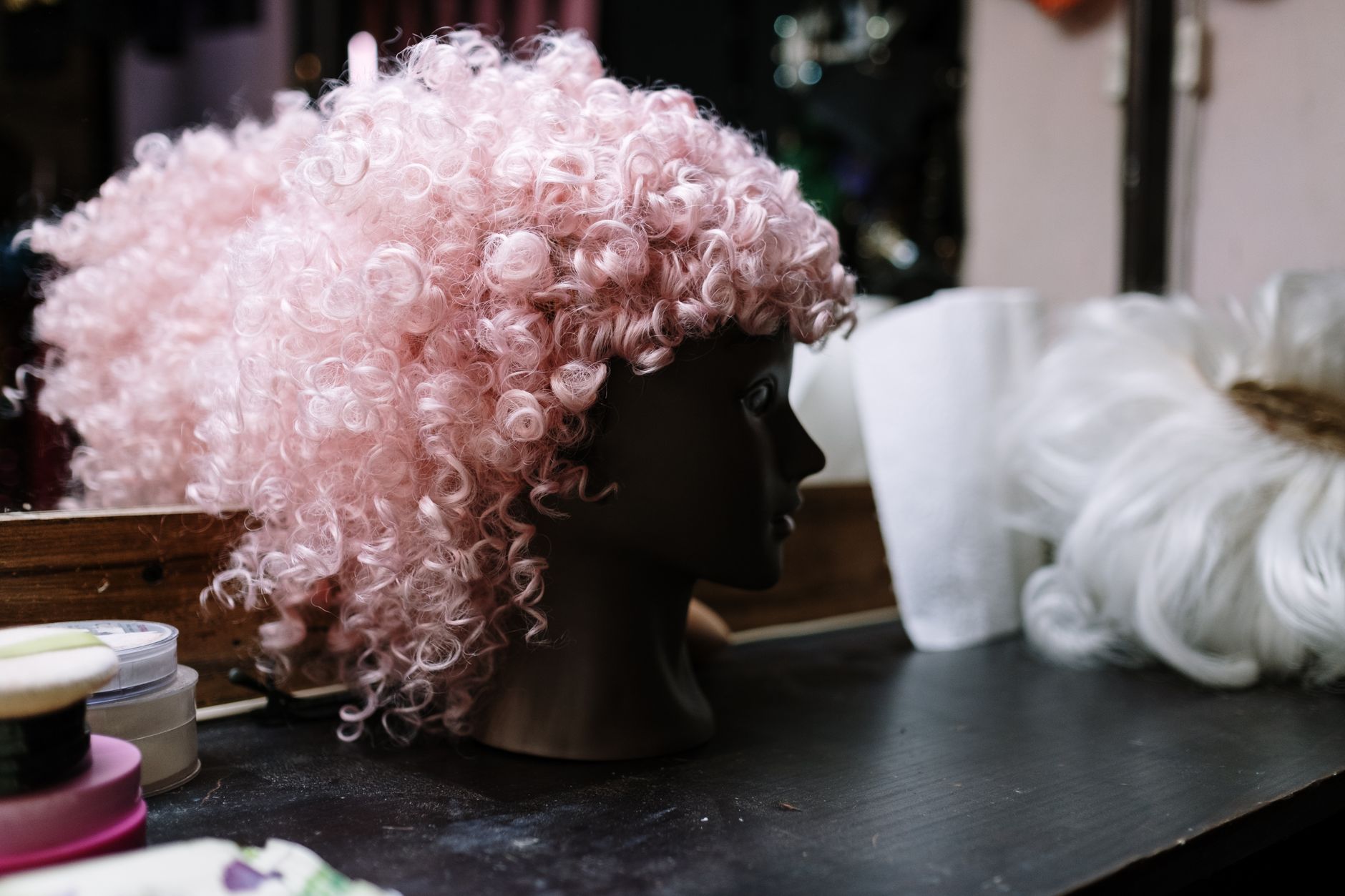
Wigs can transform your look in an instant, offering endless styling possibilities without committing to a haircut or color change. They can be a fun accessory or a practical solution for those experiencing hair thinning or loss. Knowing how to wear a wig properly enhances comfort, security, and natural appearance.
This guide walks you through essential styling steps, shares tips for a seamless look, and identifies common mistakes to avoid. Let’s unlock the stunning potential of wigs together!
How to Wear a Wig?
Wearing a wig involves preparing your hair, selecting the right wig, and securing it correctly. By following proper steps, you can achieve a natural appearance and enjoyable wearing experience.
Step-by-Step Guide to Wear a Wig
-
Choose the Right Wig
Understand what type of wig fits your needs. Wigs come in various materials, styles, and cap constructions:
- Human Hair vs. Synthetic: Human hair wigs offer the most natural look and can be styled, while synthetic wigs come pre-styled and tend to be less expensive.
- Cap Type: Options include lace front, full lace, and capless. Lace fronts provide a natural hairline, while full lace allows for versatile styling.
- Length and Texture: Choose based on your personal style and the look you want to achieve.
-
Prepare Your Hair
Proper preparation ensures a smooth fit and comfortable wear:
- Short Hair: If you have short hair, you might simply need to smooth it down.
- Long Hair: For longer hair, braid it or tuck it under a wig cap to minimize bulk.
- Use a Wig Cap: This keeps your natural hair secure and helps the wig fit more snugly.
-
Fit the Wig
It’s time to place the wig on your head:
- Hold the wig by the nape and position it at your forehead.
- Slide the wig back over your head, ensuring it sits comfortably over your hairline.
- Use the adjustable straps to secure the fit according to your head size.
-
Style the Wig
Styling your wig can enhance its authenticity:
- Parting: Create a part where desired. Adjust the wig’s hairline for a natural look.
- Trimming: If the wig is too long, consider having a professional stylist trim it.
- Use Products: Apply wig-safe styling products to add volume, texture, or smoothness. Avoid products meant for natural hair as they may cause damage.
-
Secure the Wig
Ensuring your wig is secure enhances comfort:
- Wig Tape: Use wig tape for added security if you plan on wearing it for an extended period.
- Wig Glue: Some may choose to use wig glue, but be cautious with application as it can irritate the skin if not applied properly.
- Wig Clips: These can be sewn into the wig and attached to your natural hair for extra security.
-
Final Adjustments
Before stepping out, make sure everything looks right:
- Adjust the wig in front of a mirror to ensure it looks natural.
- Check for any gaps or misalignments, adjusting as necessary.
- Use a brush specifically designed for wigs to style it, avoiding standard brushes that may cause tangling or damage.
Common Mistakes When Wearing a Wig
Even if the steps seem straightforward, there are pitfalls that many face while wearing wigs. Recognizing these can help improve your experience.
- Not Choosing the Right Type: Selecting the wrong wig type or style can lead to discomfort or an unnatural appearance. Always try the wig on whenever possible.
- Improper Fit: A wig that is too loose will slip, while one that is too tight can cause headaches. It’s important to find a comfortable balance.
- Overusing Products: Applying heavy products may weigh down your wig or cause it to become greasy. Stick to products specifically made for wigs and use them sparingly.
- Skipping Maintenance: Like natural hair, wigs need care. Regular cleaning and conditioning help maintain their look and longevity.
- Not Protecting Your Hair: Always wear a wig cap to protect your natural hair and scalp from friction and product build-up.
- Ignoring the Weather: Heat and humidity can affect how your wig looks throughout the day. Ensure you have a proper care routine based on your environment.
- Bad Storage: Never toss your wig into a drawer. Use a wig stand or mannequin head for storage, which helps retain its shape.
Wig Care and Maintenance
To keep your wig looking fresh and fabulous, proper maintenance is vital. Here are some essential steps:
-
Cleaning
Cleaning your wig is crucial to maintaining its appearance and hygiene:
- Use a sulfate-free wig shampoo and conditioner to preserve color and texture.
- Gently wash the wig in cold water, shampooing from roots to tips. Rinse carefully.
- Apply conditioner to the midshaft and ends, avoiding the roots to prevent loosening knots.
-
Drying
How you dry your wig can affect its longevity:
- Never use heat to dry your synthetic wigs.
- Pat dry gently with a towel and let it air dry on a wig stand to maintain shape.
-
Styling
When styling, keep the following in mind:
- Use heat styling tools cautiously. Human hair wigs can withstand heat, but synthetic wigs may melt.
- Opt for products that are labeled safe for wigs. Avoid heavy oils and powders that can accumulate and weigh the hair down.
How to Remove a Wig Safely
Careful removal prevents damage to both your wig and your natural hair:
- Gently loosen any tape or adhesive using an oil-based remover.
- Remove the wig slowly from the front by lifting it upward, taking care not to pull at your natural hair.
- Wipe down the wig’s inside with a damp cloth to remove any sweat or oil.
FAQ About Wigs
Can I wash my wig?
Yes, both human hair and synthetic wigs can and should be washed, but they require different techniques and products. Refer to the care instructions specific to your wig type.
How long can I wear a wig?
Wigs can be worn daily, but it’s wise to give your scalp and hair a break occasionally. For adhesive applications, ensure you follow comfort guidelines to avoid irritation.
What is the difference between full lace and lace front wigs?
A full lace wig has a lace cap that allows for parting in any direction, while a lace front has a lace panel at the front, providing a natural-looking hairline but a more limited styling capability.
Choosing the Right Wig for You
Selecting a wig that suits your face shape, coloring, and lifestyle is crucial for achieving the best look:
- Face Shape: Oval faces adapt well to almost any style, while round faces often benefit from layered cuts or side parts to create length. Square faces may favor softer, rounded styles.
- Skin Tone: Warm skin tones generally match gold and honey shades, while cool tones pair better with ashy and platinum colors.
- Lifestyle: Consider how often you’ll wear it and for what occasions. A wig for daily wear may need to be more versatile compared to a wig for special events.
Conclusion
Wearing a wig can be an enjoyable way to change your look, express your personality, or manage hair loss. By selecting the right wig, preparing your hair properly, and following secure application methods, you can ensure a comfortable and natural appearance. Remember to avoid common mistakes, maintain your wig properly, and above all, embrace the beauty that comes with wearing a wig!
For further tips on enhancing your beauty routine, explore our guides on putting on a wig and wearing a bonnet.