
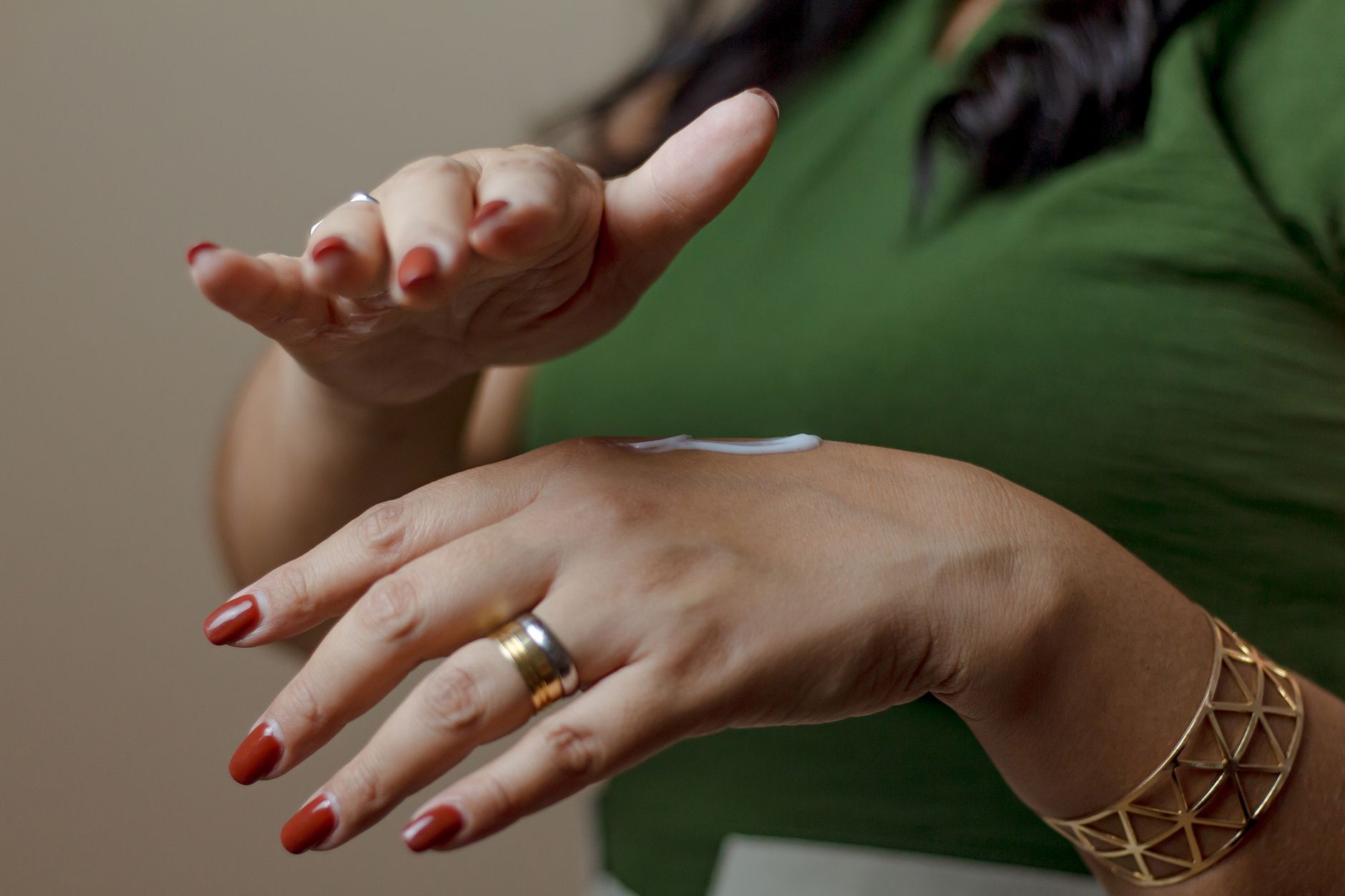
Do you find yourself constantly battling clammy palms during important moments? You’re not alone. Excessive hand sweating, medically known as palmar hyperhidrosis, can be a frustrating experience. Understanding the common causes behind this issue can help you find practical solutions to keep your hands dry and comfortable.
In this guide, we’ll explore various reasons why your hands may sweat excessively and offer tips on managing this condition effectively. With a bit of knowledge and the right approach, you’ll be able to navigate social situations and daily activities with confidence.
Why Do My Hands Sweat So Much?
Excessive hand sweating can occur due to a variety of reasons, from genetics to environmental factors. Some people inherit the tendency to sweat more than others, but it can also be triggered by stress or specific medical conditions. Identifying the underlying cause is essential to finding a suitable solution.
Common Causes of Excessive Hand Sweating
Understanding why your hands sweat so much involves looking at both physiological and environmental factors. Here are some common causes:
1. Genetic Predisposition
Certain individuals may have a genetic predisposition to hyperhidrosis. If other family members experience excessive sweating, you might be more likely to face this issue as well. Typically, this type of sweating can begin in childhood or adolescence.
2. Stress and Anxiety
Emotional triggers like stress, anxiety, or nervousness can lead to increased sweating. When the body perceives a threat or stressful situation, it activates the sympathetic nervous system, resulting in more sweat production. This response can create a cycle where anxiety about sweating leads to more sweating.
3. Hormonal Changes
Hormonal fluctuations, especially those associated with puberty, menopause, or thyroid issues, can cause your body to sweat more than usual. Changes in hormone levels can affect the sweat glands, resulting in increased perspiration.
4. Environmental Conditions
Hot and humid weather naturally increases sweating. If you live in a warm climate or work in an environment that’s not climate-controlled, your hands may sweat more due to the elevated temperatures and humidity levels.
5. Diet and Lifestyle
Certain dietary choices can trigger excessive sweating. Spicy foods, caffeine, and alcohol are common culprits that can stimulate sweat production. Additionally, smoking has been linked to increased sweating in some individuals.
6. Medical Conditions
Excessive sweating can sometimes be a symptom of an underlying health issue, such as:
- Hyperthyroidism
- Diabetes
- Obesity
- Infections
- Neurological disorders
If you’re experiencing excessive sweating along with other concerning symptoms, consulting a healthcare professional is advisable.
What Can You Do About Sweaty Hands?
While you may not be able to completely eliminate hand sweating, many solutions can help manage the condition effectively. Here’s what you can try:
1. Antiperspirants
Applying a clinical-strength antiperspirant to your hands can help reduce sweating. Look for products containing aluminum chloride, as they physically block sweat glands. Apply them as directed, usually before bed, to allow the active ingredients to work overnight.
2. Lifestyle Adjustments
Making certain lifestyle choices can help mitigate excessive sweating:
- Avoid Triggers: Identify and limit foods and drinks that trigger your sweating, such as spicy dishes and caffeine.
- Stay Cool: Use cooling fans or air conditioning to maintain a comfortable environment.
- Manage Stress: Explore stress-reduction techniques like yoga, meditation, or deep-breathing exercises.
3. Hand Hygiene
Frequent hand washing can help combat bacteria that thrive in moist environments, which could help reduce odor associated with sweating. Use a gentle soap and dry your hands thoroughly.
4. Hand Drying Solutions
Carry portable handkerchiefs or moisture-absorbent wipes to quickly dry your palms throughout the day. These can be especially useful during stressful situations or in high-humidity environments.
5. Medical Treatments
If over-the-counter options are ineffective, consult a healthcare provider. They might suggest:
- Prescription Antiperspirants: Stronger formulations that require a prescription may be recommended.
- Iontophoresis: A procedure that passes a mild electrical current through water and into the skin’s surface, potentially reducing sweating.
- Botox Injections: Botox can block the nerves responsible for sweating and is often used for hyperhidrosis treatment.
- Medications: Certain oral medications can help reduce sweating by blocking the nerve signals.
- Surgery: In severe cases, a surgical intervention called sympathectomy may be considered to cut nerves that trigger sweating. This is generally a last resort.
Makeup Tips for Sweaty Hands
Managing sweaty hands while applying makeup can be a challenge, but several tips can help maintain a flawless look:
1. Prepping the Skin
Start with a clean canvas. Wash your hands to remove any oils or dirt, as this can improve the adherence of products.
2. Use a Mattifying Primer
A mattifying primer can help control excess shine and provide a smooth surface for makeup. Look for products that offer oil control and are designed for all-day wear.
3. Opt for Long-Wear Formulas
Select foundation and concealer formulas that are long-wearing and suitable for humidity. Look for products labeled as transfer-proof to minimize smudging.
4. Setting Sprays and Powders
To finish your makeup look, apply a setting powder and spray to lock everything in place and control shine throughout the day. These can help reduce the impact of sweat on your makeup.
5. Keep Touch-Up Products Handy
Carry oil-absorbing blotting papers or mattifying powders in your bag to quickly touch up any areas as needed during the day.
Skincare Routine for Sweaty Hands
Maintaining proper skincare for your hands is crucial, especially if sweating leads to dryness or irritation. Here’s a simple routine to follow:
Morning Routine
- Cleanse: Gently wash your hands with a mild soap to remove any impurities.
- Moisturize: Apply a lightweight, non-greasy hand cream to keep your skin hydrated without feeling heavy.
- Sun Protection: If your hands are exposed to the sun, consider applying a broad-spectrum sunscreen to protect against UV damage.
Evening Routine
- Cleanse: Wash your hands to remove any makeup or products from earlier in the day.
- Exfoliate: Use a gentle exfoliating scrub or a soft brush once a week to remove dead skin cells.
- Deep Moisture: Before bed, apply a thicker hand cream or overnight treatment to help restore hydration while you sleep.
Common Mistakes to Avoid
While trying to manage sweaty hands, here are some mistakes to avoid:
- Ignoring the Issue: Don’t be passive; address excessive sweating promptly to prevent discomfort.
- Overusing Products: Too much antiperspirant can lead to irritation. Follow the recommended application guidelines.
- Neglecting to Test Products: Always patch test new skincare or makeup products to check for allergies or reactions.
Realistic Expectations
Managing excessive hand sweating takes time and experimentation. While some solutions may work quickly, others might require consistent use before you see results. It’s essential to be patient and consult with a healthcare provider if self-management approach doesn’t yield desired improvements.
Summary
Excessive hand sweating, while common, can be managed through an understanding of the root causes and practical solutions. Consider using clinical-strength antiperspirants, adjusting lifestyle choices, and developing an effective skincare routine. If these measures do not alleviate the problem, seek guidance from a healthcare professional.
For those looking to improve their overall comfort and hygiene, explore our related articles on how to get rid of smelly feet and why feet sweat so much. Embracing a complete approach to your beauty and grooming may help you feel more confident in your daily routine.