
Dealing with clogged pores is a common skincare challenge that many people face. Understanding how to identify clogged pores and knowing the best methods to clear them can significantly improve your skincare routine. In this article, we’ll explore what clogged pores look like, the signs to watch out for, and effective strategies to unclog them.
Clogged pores can lead to issues such as acne and dull skin, making it essential to maintain clear pores for a radiant complexion. From recognizing the appearance of clogged pores to selecting the right products and routines, this guide aims to equip you with all the necessary information for healthier skin.
What Do Clogged Pores Look Like?
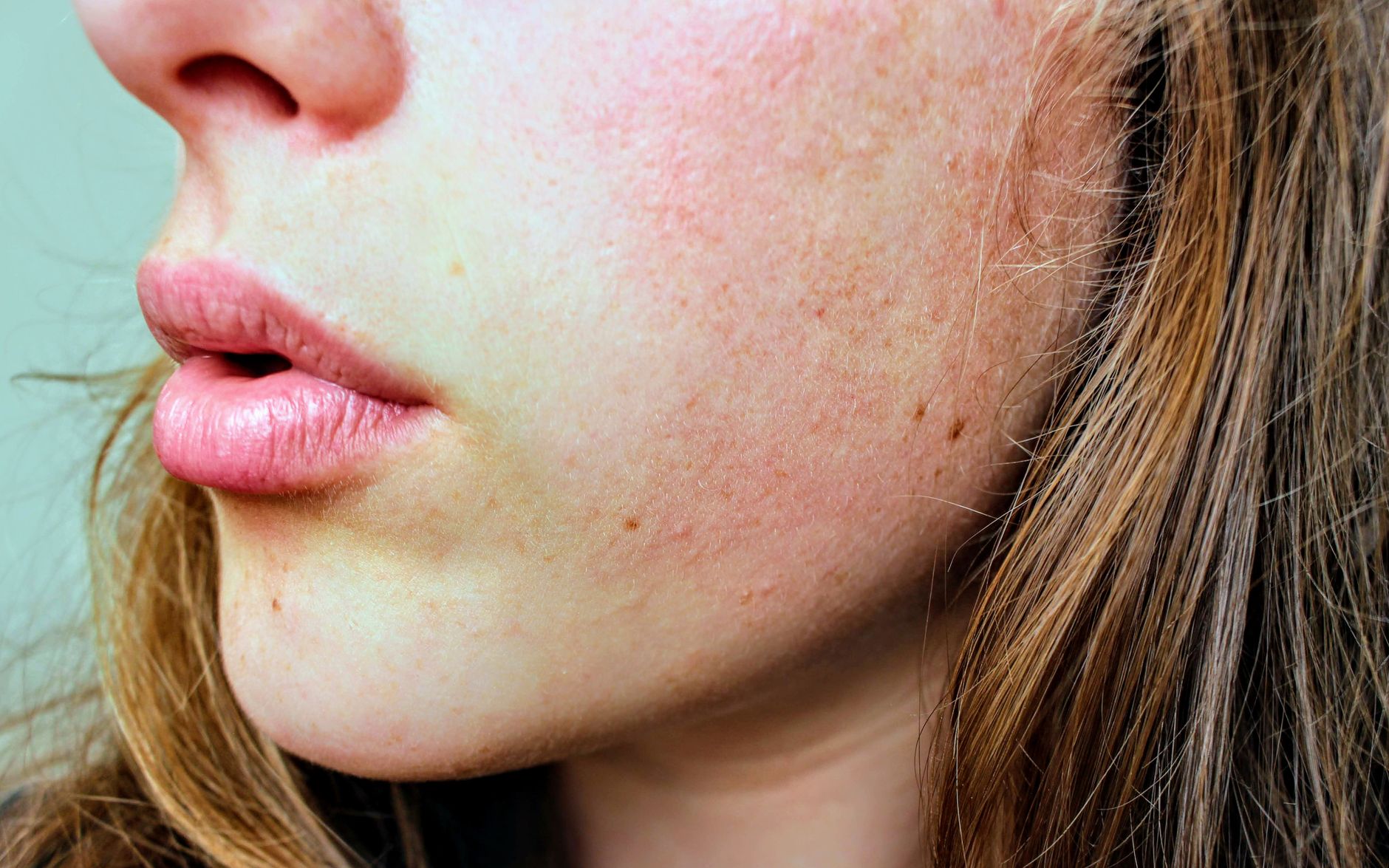
Clogged pores can manifest in a variety of forms, depending on the severity and underlying causes. Generally, clogged pores may appear as:
- Blackheads: Small, dark spots that form when a pore is clogged with oil and dead skin cells.
- Whiteheads: Closed comedones that appear as small, flesh-colored bumps on the skin’s surface.
- Bumps: Rough, textured skin or small red bumps that may indicate inflammation.
- Oily Skin: A shiny T-zone or greasy complexion can be a sign of clogged pores due to excess oil production.
These visual indicators are essential for identifying clogged pores. However, they can also be mistaken for other skin issues, making proper evaluation and care vital.
Signs of Clogged Pores
Recognizing clogged pores goes beyond their appearance. Other signs can include:
- Acne Breakouts: Increased frequency of blackheads and whiteheads can signal clogged pores.
- Uneven Texture: Skin may feel bumpy or rough instead of smooth.
- Large Pores: Pores appearing more prominent may indicate a buildup of dead skin and excess sebum.
- Dullness: Lackluster skin can result from dead skin cells obstructing visibility of fresh skin underneath.
If you notice any of these signs, it may be time to reassess your skincare routine and habits.
Common Causes of Clogged Pores
Clogged pores can be caused by several factors, including:
- Excess Oil Production: Oily skin naturally produces more sebum, which can lead to clogs.
- Dead Skin Cells: Failure to exfoliate regularly allows dead skin to accumulate in the pores.
- Pore-Clogging Ingredients: Some skincare and makeup products may contain ingredients that contribute to clogged pores.
- Hormonal Changes: Fluctuations in hormones, such as during menstruation or puberty, can increase oil production.
- Environmental Factors: Pollution and dust can settle on the skin and contribute to clogged pores.
Understanding these causes can help you develop a proactive approach to prevent clogged pores and manage your skin effectively.
Effective Ways to Unclog Pores
Once you recognize the signs of clogged pores, implementing effective strategies for unclogging them becomes essential. Here’s a step-by-step guide to help you achieve clearer skin:
1. Start with Cleansing
The first step in unclogging pores is to establish a consistent cleansing routine. Choose a gentle cleanser formulated for your skin type:
- Oily Skin: Use a foaming or gel-based cleanser with salicylic acid to help break down oil.
- Dry Skin: Opt for a cream-based cleanser that hydrates while removing impurities.
- Sensitive Skin: Use a fragrance-free, sulfate-free cleanser to avoid irritation.
Wash your face twice daily—once in the morning and once at night—to keep pores clear.
2. Exfoliate Regularly
Exfoliation helps to remove dead skin cells that can contribute to clogged pores. Incorporate exfoliation into your routine:
- Physical Exfoliants: Use a gentle scrub with fine particles once or twice a week.
- Chemical Exfoliants: Products with AHAs (alpha hydroxy acids) or BHAs (beta hydroxy acids) can help dissolve dead skin and oil buildup.
Be cautious not to over-exfoliate, as this can lead to irritation and further skin issues.
3. Use Pore-Reducing Treatments
Specific treatments can help target clogged pores effectively:
- Clay Masks: These help absorb excess oil and draw impurities from the skin.
- Retinoids: Products containing retinol increase cell turnover, helping to prevent buildup in the pores.
- Pore Strips: While not a long-term solution, they can provide immediate results in removing blackheads.
Incorporate these treatments into your system once a week or as needed.
4. Hydrate with Non-Comedogenic Products
Choosing the right moisturizers is essential, especially if you have oily skin. Look for products labeled “non-comedogenic,” meaning they won’t clog pores:
- Oil-Free Moisturizers: Lightweight gels can hydrate without adding excess oil.
- Water-Based Products: These help in nourishing the skin without clogging pores.
Moisturizing is crucial to maintaining balanced skin, even for those with oilier complexions.
5. Practice Proper Makeup Removal
Makeup can exacerbate clogged pores if not removed properly. Ensure you are cleansing your face after wearing makeup:
- Double Cleansing: Use an oil-based cleanser first to break down makeup, followed by your regular cleanser.
- Wipes: If you’re on-the-go, cleansing wipes can be used, but make sure to cleanse properly at the end of the day.
Never sleep with makeup on, as this can lead to significant pore clogging and other skin issues.
6. Be Mindful of Product Ingredients
As mentioned earlier, some ingredients can clog pores. Pay attention to the labels of your skincare and makeup products:
- Common Clogging Ingredients: Look out for coconen, lanolin, and certain silicones.
- Favor Lightweight Oils: If you want to use oils, opt for lighter options like argan or grapeseed oil.
Researching ingredients can help you select suitable products for your unique skin needs.
How to Build a Routine for Unclogging Pores
Having a structured skincare routine tailored to prevent clogged pores can yield better results. Here’s a sample daily routine:
Morning Routine:
- Cleanse your face with a gentle cleanser.
- Apply a serum with antioxidants to protect against environmental damage.
- Use a lightweight, non-comedogenic moisturizer.
- Apply sunscreen with at least SPF 30.
Evening Routine:
- Double cleanse your face to remove makeup and impurities.
- Exfoliate 2-3 times a week using a suitable exfoliant.
- Apply any targeted treatments, such as retinoids.
- Finish with a nourishing, light moisturizer.
Adjust the frequency of exfoliation and treatments according to your skin’s response.
Common Mistakes to Avoid
While following the above tips, it’s important to avoid common skincare mistakes that could exacerbate clogged pores:
- Over-Exfoliating: This can irritate the skin and worsen clogged pores.
- Skipping Moisturizer: Even oily skin needs hydration to maintain balance.
- Using Overly Harsh Products: Strong ingredients can damage the skin barrier and lead to more issues.
Staying aware of these pitfalls can help you maintain a healthy skincare routine.
Frequently Asked Questions
Can Clogged Pores Lead to Acne?
Yes, clogged pores can lead to acne if left untreated. When oil, dead skin, and bacteria accumulate in the pores, it can result in breakouts.
How Long Does It Take to Unclog Pores?
The time it takes to unclog pores can vary based on individual skin types and the severity of clogging. Consistent care typically leads to visible improvements within a few weeks.
When Should I See a Dermatologist?
If clogged pores become severe or lead to persistent acne, it is advisable to consult a dermatologist for personalized treatment options.
Conclusion
Clogged pores are a common concern that can easily be managed with the right tools and techniques. By recognizing the signs and implementing a suitable skincare routine, you can achieve clearer, healthier skin. Start today by reassessing your products and cleansing habits for a positive change.
For more information on keeping your skin clear, check out our guides on how to unclog pores and the relationship between Vaseline and clogged pores.