
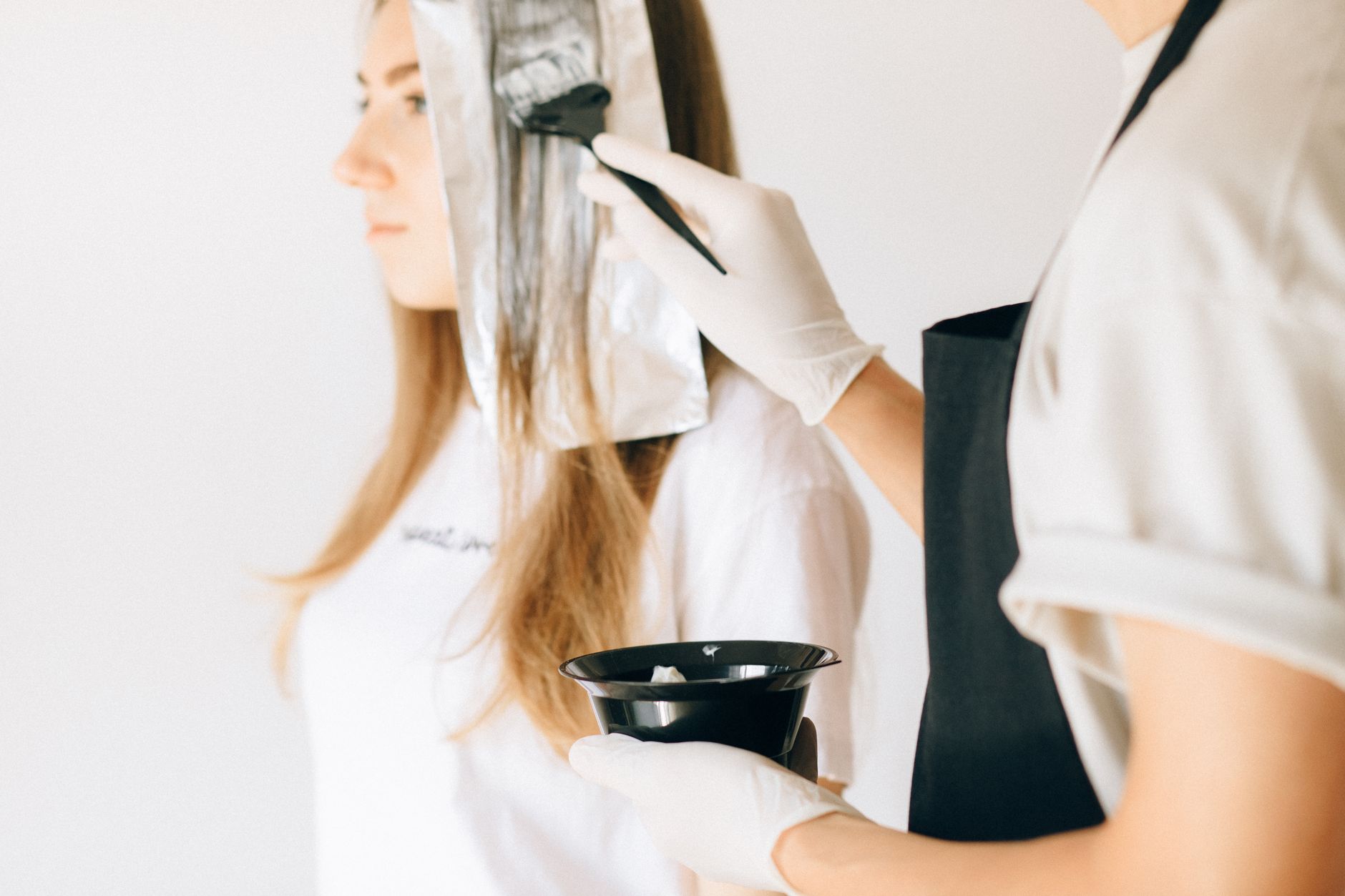
Hair toner is a transformative product that many people use post-coloring to achieve their desired hair hue. It’s essential for anyone wanting to maintain, enhance, or neutralize their hair color, especially for those with blonde or gray shades. Understanding hair toner and how it works can significantly impact the quality of your hair color.
In this article, we will explore what hair toner is, how it works, the different types available, and essential hair care tips to maintain your color and health after toning.
What Is Hair Toner?
Hair toner is a semi-permanent or demi-permanent hair color that is used to adjust or enhance the tone of your hair. Unlike traditional hair dye, which is used to lighten or darken hair, toners primarily work on the color spectrum of your hair. They can shift the tone of your hair from brassy to cooler shades, add depth, or create that perfect color balance to suit your style.
How Does Hair Toner Work?
Hair toner contains color pigments that either neutralize unwanted tones in your hair or enhance the existing color. When you dye your hair, especially when lifting color (like going blonde), the underlying pigments can create unwanted warmth, such as yellows and oranges. Toners are specifically formulated to counteract those unwanted pigments.
Understanding the Color Wheel
To grasp how hair toner works, it’s useful to understand the concept of complementary colors on the color wheel. For instance:
- Yellow is countered by violet.
- Orange is neutralized by blue.
- Red tones can be addressed with a green-toned toner.
Utilizing appropriate toners helps to achieve a more balanced and flattering hair color.
Types of Hair Toner
Hair toners come in various forms, each designed to address different needs:
- Purple Toner: Commonly used to neutralize yellow tones in blonde hair.
- Blue Toner: Effective for counteracting orange tones in brunette or darker hair.
- Green Toner: Best for addressing red or warm undertones in hair.
- Pastel Toner: Adds a light tint to hair, often used for those looking to achieve pastel shades.
When Should You Use Hair Toner?
Hair toner is typically used after the bleaching or dyeing process to ensure that you achieve the best possible color. Here are a few scenarios where toner can be particularly beneficial:
- After lightening your hair to diminish unwanted brassiness.
- When transitioning from one hair color to another and needing balance.
- To enhance or refresh the tone of previously colored hair.
- If you are noticing your hair color fading and you want to re-establish its vibrancy.
How to Use Hair Toner
Using hair toner can appear daunting, but with the right instructions, it can be a straightforward process. Here’s a step-by-step guide to using hair toner effectively:
- Choose the Right Toner: Select a toner that suits your hair’s current shade and the tone you wish to achieve.
- Prepare Your Hair: Ensure your hair is clean and dry. If you’ve recently dyed or bleached your hair, it’s recommended to wait a couple of days before toning.
- Mix the Toner: Follow the instructions on the toner packaging for the correct mixing ratio with a developer, usually 10 or 20-volume.
- Apply the Toner: Using a tint brush, start applying the toner to your hair. Concentrate on areas where you find the most brassiness.
- Time It Right: Allow the toner to sit for 10-30 minutes, depending on the desired outcome. Check your hair frequently to ensure you don’t over-tone.
- Rinse and Condition: Rinse the toner out thoroughly with lukewarm water and follow up with a hydrating conditioner.
- Style As Desired: Dry and style your hair as usual.
Hair Care Tips After Toning
Once you’ve toned your hair, it’s crucial to maintain the color and keep your hair healthy. Here are some tips:
1. Use Color-Safe Products
Invest in shampoos and conditioners specifically designed for color-treated hair. These products are typically sulfate-free and help to preserve your toner’s color and vibrancy.
2. Avoid Frequent Washing
Washing your hair too often can strip the toner and color from your hair. Try to extend the time between washes and opt for dry shampoo when needed.
3. Lower the Heat
Excessive heat styling can fade your color quicker. Whenever possible, air dry your hair and use heat protectants if you must heat-style.
4. Regular Treatments
Incorporate deep conditioning treatments or hair masks specifically for color-treated hair. This will help maintain moisture and manageability.
5. Limit Sun Exposure
UV rays can fade hair color. When spending extended periods outdoors, consider wearing a hat or using hair products with UV filters.
6. Schedule Regular Toner Touch-Ups
Depending on your hair growth and color maintenance routine, consider reapplying toner every 4-8 weeks to keep your color fresh.
Common Mistakes When Using Hair Toner
To get the most out of your hair toning experience, be mindful of these potential missteps:
- Not Choosing the Right Shade: Using a toner that clashes with your hair’s natural and treated colors can lead to undesired results.
- Over-Toning: Leaving toner on for too long can lead to an overly dramatic color change, such as turning hair purple or gray when using cool-toned toners.
- Skipping the Patch Test: Always conduct a patch test with any toning product to ensure you won’t have an adverse reaction.
- Not Following Up With Conditioner: Toners can be drying, so a great conditioner post-toning is essential for hydration.
- Neglecting Your Hair’s Health: Prioritize your hair’s health by keeping it strong and well-nourished.
Conclusion
Hair toner is an invaluable tool for anyone looking to enhance their hair color, neutralize brassy tones, or maintain a vibrant look. By understanding how it works, using it correctly, and caring for your hair after toning, you can enjoy beautiful, rich colors. Remember to consult with your stylist if you’re unsure about which toner to use or how often to apply it.
For more information on hair care and color, feel free to explore our guides on what toner does to hair and how to tone hair.