
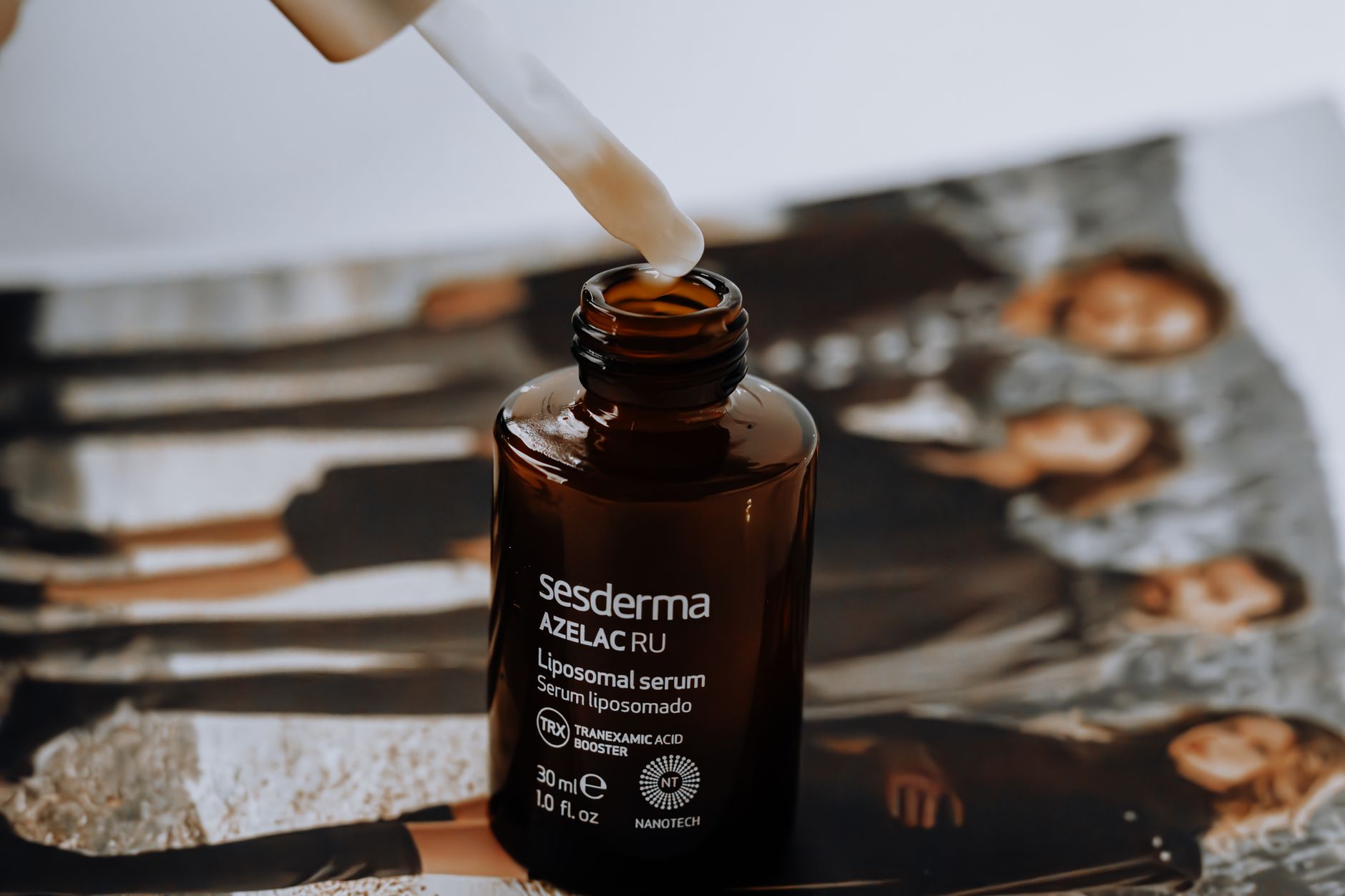
Salicylic acid is a beta hydroxy acid known for its powerful exfoliating and anti-inflammatory properties. It’s a common ingredient in skincare products, especially those targeting acne. Understanding what salicylic acid does can help you optimize your skincare routine and achieve clearer skin.
This article will cover the benefits, uses, and potential side effects of salicylic acid, as well as guidance on its incorporation into your beauty regimen.
What Does Salicylic Acid Do?
Salicylic acid works primarily as a keratolytic agent, meaning it helps to break down and soften the outer layer of the skin. This action promotes exfoliation, helping to clear out clogged pores and preventing breakouts. It also has anti-inflammatory properties, making it beneficial for reducing redness and swelling.
Benefits of Salicylic Acid
Salicylic acid offers several benefits for skin health:
- Acne Treatment: Salicylic acid penetrates deeply into the pores to dissolve excess oil and dead skin cells, which are known to contribute to acne.
- Exfoliation: By promoting the shedding of dead skin cells, it helps to improve the overall texture and appearance of the skin.
- Reduced Blackheads and Whiteheads: It helps to prevent the formation of comedones (blocked pores) by keeping pores free of debris.
- Anti-inflammatory: Its soothing properties can help reduce the redness and irritation associated with acne flare-ups.
- Improves Skin Texture: Regular use can lead to a smoother skin texture and improved complexion.
Uses of Salicylic Acid
Salicylic acid is available in various forms and can be found in numerous products, including:
- Face Washes: Typically formulated for oily or acne-prone skin, these cleansers help to remove excess oil while exfoliating.
- Toners: Toners with salicylic acid can further help with pore cleansing and balancing skin’s pH.
- Treatments: Spot treatments and serums containing salicylic acid target specific breakouts.
- Exfoliating Pads: These often come pre-soaked with salicylic acid, offering a quick way to exfoliate without rinsing.
- Moisturizers: Some lightweight moisturizers incorporate salicylic acid to provide hydration without clogging pores.
How to Incorporate Salicylic Acid into Your Routine
To effectively incorporate salicylic acid into your skincare routine, it’s essential to consider your skin type and any specific concerns you might have:
1. Determine Your Skin Type
Salicylic acid is usually suitable for oily and combination skin types due to its oil-absorbing qualities. However, those with dry or sensitive skin should proceed with caution, as it may cause irritation.
2. Start Slowly
If you’re new to salicylic acid, it’s advisable to start with a lower concentration and use it every other day or a few times a week. Gradually increase frequency as your skin tolerates the ingredient.
3. Morning and Evening Routine
Here’s a simple step-by-step routine for using salicylic acid:
- Morning:
- Cleanser: Use a gentle salicylic acid cleanser to remove impurities.
- Toner (optional): Apply a toner containing salicylic acid for additional exfoliation.
- Moisturizer: Opt for a lightweight, non-comedogenic moisturizer.
- Sunscreen: Always apply broad-spectrum SPF 30 or higher to protect your skin.
- Evening:
- Cleanser: Use the salicylic acid cleanser again to remove the day’s buildup.
- Treatment: Apply a concentrated treatment or serum containing salicylic acid on areas prone to breakouts.
- Moisturizer: Finish with a suitable moisturizer to hydrate your skin.
Common Mistakes to Avoid
When using salicylic acid, there are some common pitfalls you should be aware of:
- Overuse: Using salicylic acid too frequently or in high concentrations can lead to dryness and irritation. Stick to recommended usage based on your skin’s tolerance.
- Skipping Sunscreen: Since salicylic acid exfoliates the skin, it may increase sun sensitivity. Always wear sunscreen during the day.
- Using with Harsh Ingredients: Combining salicylic acid with other strong actives like retinol or alpha hydroxy acids can be too harsh for the skin.
Potential Side Effects
While salicylic acid is generally considered safe, some individuals may experience side effects, including:
- Dryness: Overuse can lead to excessive dryness and flakiness of the skin.
- Burning or Stinging: Some users may experience mild stinging upon application.
- Redness: Skin irritation may occur, particularly in sensitive skin types.
If you experience any persistent side effects, discontinue use and consult a dermatologist.
Who Should Use Salicylic Acid?
Salicylic acid is beneficial for various skin types, particularly:
- Individuals with oily or acne-prone skin
- Those looking for effective exfoliation
- Anyone struggling with blackheads and whiteheads
- Individuals who experience occasional breakouts
Who Should Avoid Salicylic Acid?
While salicylic acid can be helpful, it may not be suitable for everyone:
- People with dry or sensitive skin may find it too irritating.
- Pregnant or breastfeeding individuals should consult a healthcare professional before use.
- Those with allergies to aspirin should avoid products containing salicylic acid.
Combination with Other Ingredients
Salicylic acid can be effectively combined with other ingredients for enhanced benefits. Here are some that pair well:
- Niacinamide: This ingredient helps reduce inflammation and balances oil production, enhancing the overall efficacy of salicylic acid.
- Hyaluronic Acid: A great hydrating agent that can help offset dryness caused by salicylic acid when used in a moisturizer.
- AHA: If tolerated, it can be used with specific precautions to provide more comprehensive exfoliation. Use them at different times (e.g., AHA at night, salicylic acid in the morning).
Conclusion
Understanding what salicylic acid does can empower you to take control of your skincare routine. It is a potent ingredient that can help manage breakouts, improve skin texture, and promote overall skin health. Remember to introduce it gradually and monitor your skin’s response to optimize results while minimizing any potential side effects.
If you’re interested in learning more about skincare ingredients, check out our guides on how pimple patches work and what niacinamide can do for your skin.