
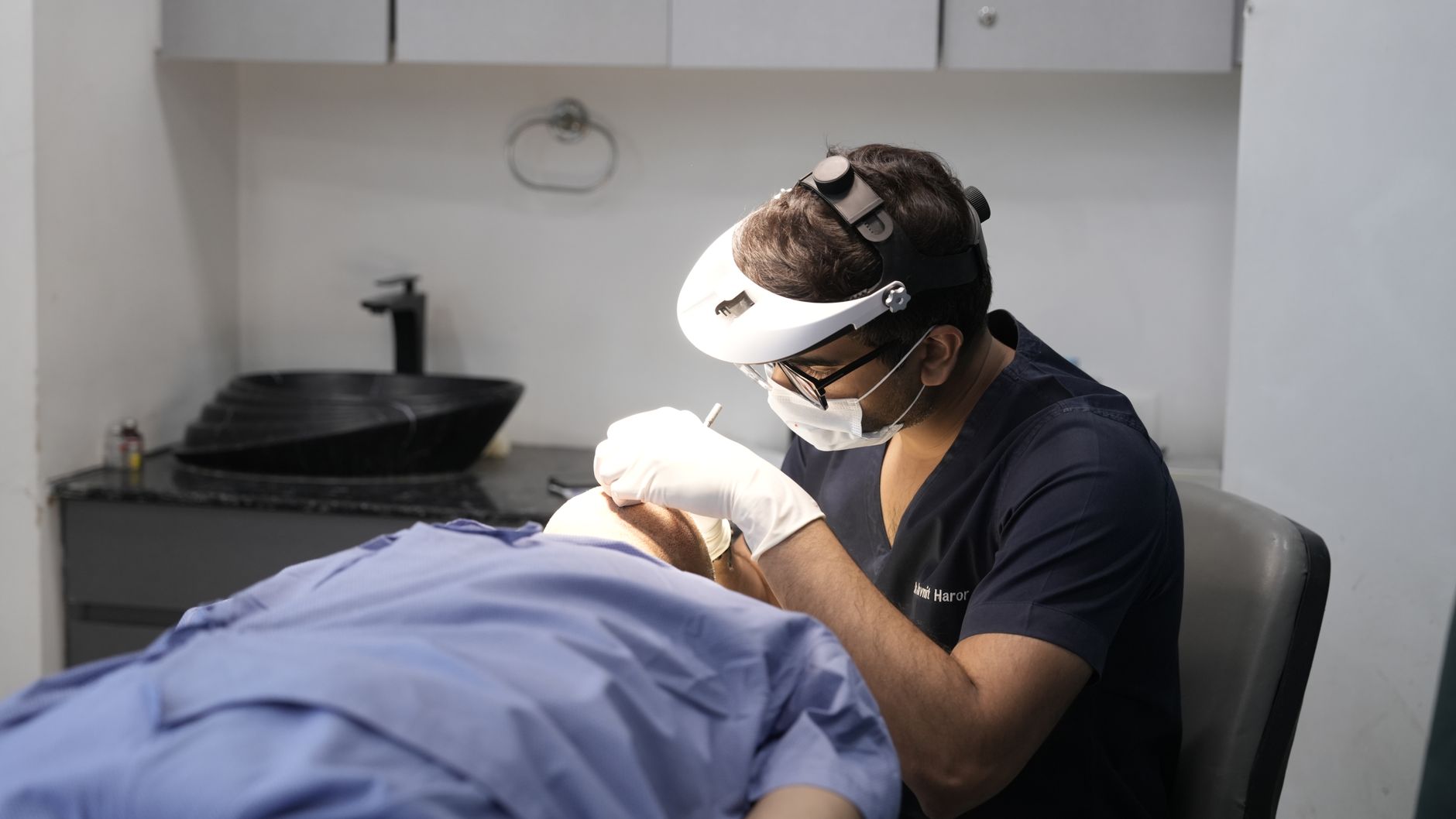
Hair loss is a common concern that affects people of all genders and ages. For many, it can lead to feelings of insecurity and affect overall self-esteem. If you’re struggling with thinning hair or a receding hairline, you may wonder: can a dermatologist help with hair loss? This article will explore how dermatologists can play a crucial role in diagnosing and addressing hair loss effectively.
We’ll also provide practical safety tips, discuss various treatment options, and offer insights on when to seek professional help. Understanding your hair loss is the first step toward exploring solutions, and a dermatologist is often an essential ally in this journey.
Can a Dermatologist Help with Hair Loss?
Yes, dermatologists are trained to help with hair loss by diagnosing its causes and recommending appropriate treatments. They can evaluate your unique situation and create a tailored plan to address your hair concerns effectively.
Understanding Hair Loss
Before seeking help, it’s useful to understand the different types of hair loss. Recognizing the type of hair loss you are experiencing can guide you and your dermatologist in choosing the best treatment options.
Types of Hair Loss
- Alopecia Areata: An autoimmune condition that causes patchy hair loss.
- Androgenetic Alopecia: Commonly known as male or female pattern baldness, it’s characterized by gradual thinning of hair.
- Telogen Effluvium: A temporary form of hair loss, often triggered by stress, illness, or hormonal changes.
- Traction Alopecia: Caused by prolonged tension on hair, usually from styles like tight ponytails or braids.
- Scarring Alopecias: A group of hair loss disorders that cause permanent damage and scarring to the follicles.
Why See a Dermatologist?
Consulting a dermatologist can provide clarity on the reasons behind your hair loss. They will consider various factors, including medical history, family history, environmental factors, and lifestyle choices.
Comprehensive Evaluation
During your appointment, a dermatologist may perform a comprehensive evaluation that may include:
- A thorough examination of your scalp and hair.
- Blood tests to check for conditions like hormonal imbalances or nutritional deficiencies.
- Scalp biopsies in certain cases, especially if a scarring condition is suspected.
This thorough approach can help pinpoint the underlying cause and lead to a more effective treatment plan.
Treatment Options Offered by Dermatologists
Based on the diagnosis, dermatologists can offer various treatment options tailored to the individual. Here are some commonly recommended treatments:
Medications
Two well-known FDA-approved medications for hair loss include:
- Minoxidil: Available over-the-counter, this topical treatment is applied directly to the scalp. It can help stimulate hair growth and slow down hair loss.
- Finasteride: An oral medication primarily prescribed for men, finasteride works by blocking the hormone responsible for hair thinning.
Therapies
In addition to medications, dermatologists may recommend therapies such as:
- Platelet-Rich Plasma (PRP) Therapy: This involves drawing your blood, processing it to concentrate the platelets, and injecting it back into the scalp to promote hair growth.
- Low-Level Laser Therapy: Involves using laser light to stimulate hair follicles, improving hair density and growth.
Surgical Options
For advanced cases, surgical interventions, such as hair transplants, may be viable. These procedures involve moving hair follicles from a donor site to the thinning or balding areas of the scalp.
Natural Remedies and Lifestyle Changes
While a dermatologist can provide medical treatments, incorporating natural remedies and lifestyle changes may also help strengthen your hair and scalp health. Consider the following:
Nutritional Support
Hair health is closely linked to nutrition. Ensure your diet includes:
- Protein-rich foods, such as fish, beans, and nuts.
- Vitamins, particularly B vitamins, vitamins A and D, and vitamin E.
- Minerals such as iron, zinc, and biotin.
Scalp Care
Maintaining a healthy scalp is crucial. Here are some tips:
- Gently massage the scalp while shampooing to improve blood circulation.
- Use gentle cleansing shampoos that won’t strip the scalp of its natural oils.
- Keep hair products to a minimum, as buildup can affect hair growth.
When to See a Dermatologist
It’s essential to consult a dermatologist when:
- You notice sudden or patchy hair loss.
- Your hair loss is accompanied by scalp irritation or redness.
- You have a family history of hair loss and wish to explore preventive measures.
- You want to discuss treatment options before the hair loss becomes severe.
Safety Tips When Dealing with Hair Loss
Taking care during your hair loss journey is essential. Here are some safety tips:
Be Cautious with Treatments
While looking for treatment options, consider the following:
- Only use treatments recommended by your dermatologist.
- Always follow the prescribed dosage and instructions.
- Perform patch tests for topical products to check for adverse reactions.
Consult Before Combining Treatments
If you’re considering multiple treatment options, consult your dermatologist before combining therapies to avoid unwanted side effects.
Maintain Realistic Expectations
Understand that hair loss treatments can take time, and results may vary. Having realistic expectations can help maintain a positive mindset during your treatment journey.
Document Your Progress
Keep a record of your hair health journey, including photographs and notes on your treatments and how they make you feel. This documentation can aid discussions with your dermatologist.
Know the Signs of Irritation
Be vigilant for signs of irritation caused by treatments, like redness, itching, or scaling. If any adverse effects occur, report them to your dermatologist immediately.
Conclusion
Seeking help from a dermatologist can be an effective step toward understanding and addressing hair loss. They provide essential evaluations and personalized treatment plans that may significantly improve your hair health.
Next steps include scheduling an appointment with a dermatologist to discuss your hair concerns and exploring treatment options tailored to your situation. For additional insights on hair-related issues, consider reading about dandruff and hair loss or how to fix thinning hair.