
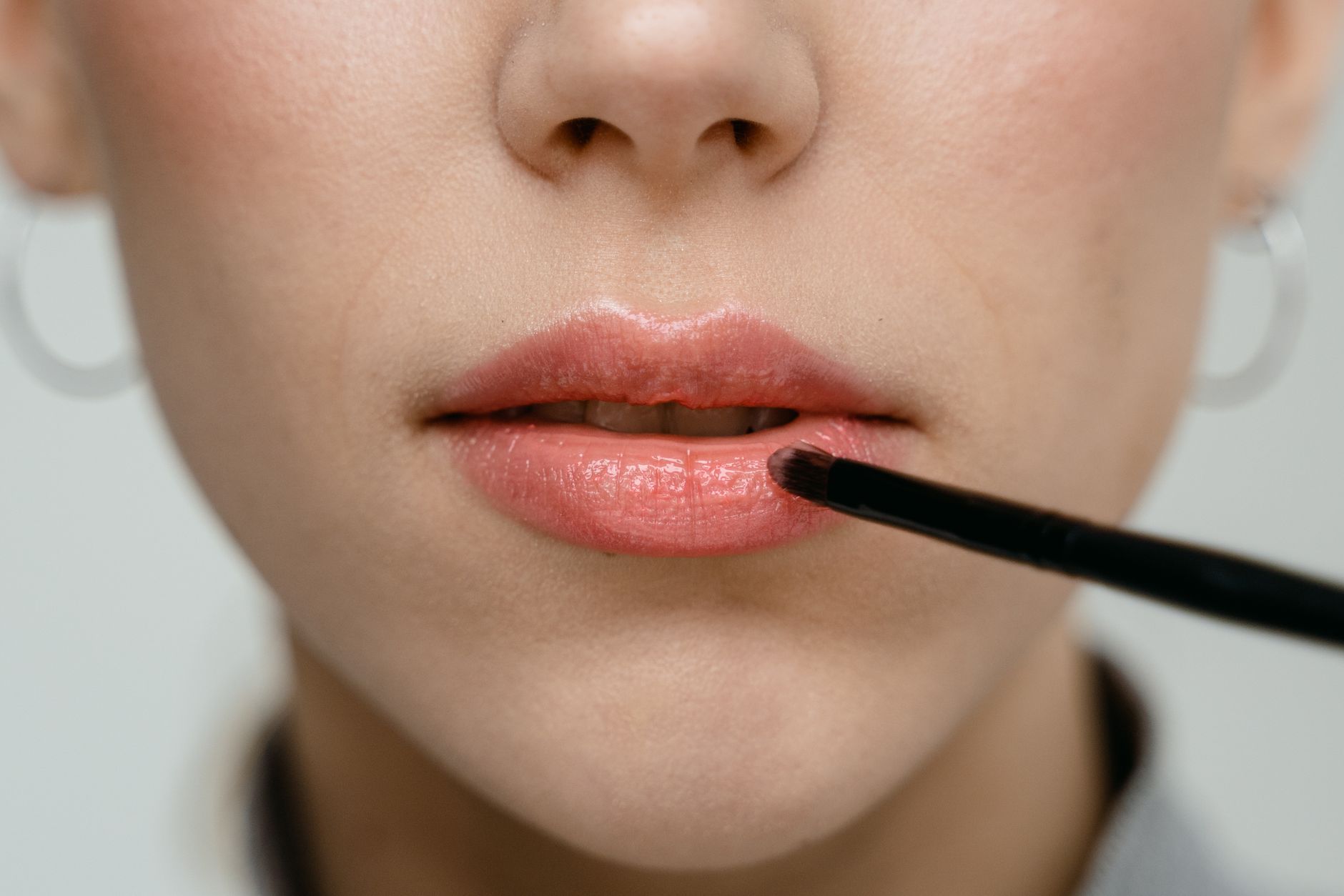
In the world of beauty and skincare, Vaseline has established itself as a household name. Originally developed as a petroleum jelly, it has numerous uses that range from moisturizing skin to helping with minor cuts and burns. One popular application is its use on the lips. Many people wonder if Vaseline is good for your lips, and while it has its advantages, there are also potential drawbacks to consider.
This article will delve into the benefits of using Vaseline for lip care, examine its potential downsides, and offer alternatives as well as tips for achieving the best lip care routine. By understanding both the pros and cons, you can make informed decisions about how to keep your lips soft, smooth, and healthy.
Is Vaseline Good for Your Lips?
Yes, Vaseline can be good for your lips. It acts as an occlusive agent, creating a barrier that helps lock in moisture. This can be particularly beneficial for individuals with dry or chapped lips, providing immediate hydration and a protective seal. However, it does not contain any active ingredients that actually heal the lips, which is a potential limitation.
Understanding the Benefits of Vaseline on Lips
1. Moisture Lock
One of the main advantages of Vaseline is its ability to lock in moisture. When you apply it to your lips, it creates a protective barrier that prevents water loss. This feature is especially beneficial in dry or cold climates, where the air can strip moisture from your skin.
2. Soothing Properties
Vaseline is also soothing and can offer relief for dry, cracked lips. By applying a thin layer, you can provide immediate comfort. If your lips feel irritated due to environmental factors, Vaseline can serve as an ointment to alleviate discomfort.
3. Versatility
Another benefit is its versatility. Not only can you use Vaseline on your lips, but it can also be applied to other areas of the body for hydration, making it a multipurpose product in your beauty arsenal.
4. Affordable and Accessible
Vaseline is widely available and affordable compared to many specialized lip care products. This makes it a popular choice, especially for those on a budget who still want effective lip care solutions.
Possible Drawbacks of Using Vaseline on Your Lips
1. Occlusive Nature
While Vaseline’s occlusive properties can help retain moisture, they can also impede your skin’s natural ability to breathe. Some individuals may find that using an occlusive product regularly can lead to dependency. This could manifest as even drier lips when the product is not applied.
2. No Healing Ingredients
Vaseline contains no significant ingredients that actively improve or heal your lips. It simply creates a barrier rather than treating any underlying issues like cracked or inflamed lips. If you’re looking for a product that not only protects but also heals, Vaseline might not be the best option.
3. Allergies and Sensitivities
Though Vaseline is generally considered safe for most people, some may have allergic reactions or sensitivities to petroleum-based products. It’s advisable to perform a patch test before extensive use, especially if you have sensitive skin or known allergies.
4. Greasy Texture
Some individuals may dislike the greasy feel of Vaseline on their lips. This can be off-putting, especially if you prefer a lightweight finish. This might lead you to search for alternative products that provide hydration without the heavy feel.
Alternatives to Vaseline for Lip Care
If you find that Vaseline doesn’t meet your needs, consider these alternatives:
- Coconut Oil: A natural alternative, coconut oil is an excellent moisturizer with antimicrobial properties.
- Beeswax: Provides a barrier similar to Vaseline but is more natural. It locks in moisture while also allowing the skin to breathe.
- Shea Butter: Rich in vitamins, shea butter nourishes and hydrates the lips while also providing a soothing effect.
- Lanolin: This natural wax can deeply moisturize and is often found in lip balms.
- Fruit and Plant Oils: Jojoba oil, almond oil, and olive oil can provide hydration without the greasy texture.
Building an Effective Lip Care Routine
Creating a routine that keeps your lips healthy and hydrated is essential. Here’s how you can structure it:
Morning Routine
- Start with gentle exfoliation to remove dead skin. You can use a commercial lip scrub or make one using sugar and honey.
- Apply a hydrating lip balm with natural ingredients like shea butter or beeswax.
- If you plan to wear lipstick or lip product, consider using a lip primer to create a smooth base.
Evening Routine
- Remove any lipstick or lip product gently using a makeup remover or a mild cleanser.
- Apply a rich layer of your chosen lip balm or if you prefer Vaseline, use it as a final step.
- Consider adding a nourishing treatment once or twice a week, such as a lip mask.
Common Mistakes to Avoid
Even with a good routine, it’s easy to make mistakes that can hinder the health of your lips. Here are some common pitfalls to avoid:
- Not moisturizing enough: If you only apply lip balm occasionally, your lips may still face dehydration.
- Over-exfoliating: Exfoliating too often can strip your lips of their natural moisture, leading to more dryness.
- Ignoring ingredients: Always check labels; some lip products contain irritating ingredients or allergens.
- Relying solely on occlusives: Using only products like Vaseline without additional hydrating ingredients can lead to dryness.
Signs of Irritation or Allergic Reaction
It’s important to be aware of how your lips react to any product. Signs of irritation or an allergic reaction may include:
- Redness or swelling
- Stinging or burning sensation
- Peeling or flaking
- Persistent dryness or cracking
If you experience any of these symptoms after using Vaseline or any other lip product, it’s advisable to stop using the product and consult a healthcare professional.
Realistic Expectations
While using Vaseline may help alleviate immediate dryness and provide a protective layer, it doesn’t necessarily cure underlying conditions. It’s important to set realistic expectations for lip care. Regular maintenance, hydration, and attention to ingredients are key.
Remember that factors like diet, hydration levels, and overall health also play a significant role in lip health. A balanced diet rich in vitamins and antioxidants can also contribute to more hydrated and healthy lips.
Final Thoughts on Using Vaseline for Your Lips
Vaseline can be a useful tool in your lip care routine for its moisture-locking properties. However, it’s crucial to understand its limitations and potential drawbacks. Consider your specific needs and preferences when choosing lip products. Whether maintaining a minimalist routine with Vaseline or exploring more specialized options, the ultimate goal is vibrant, healthy lips.
For readers struggling with persistent dryness, consider checking out why your lips may be so dry. This guide offers deeper insight into common causes and practical tips for achieving lasting hydration.
Explore our other beauty guides for more tips on skincare and effective routines tailored just for you.