
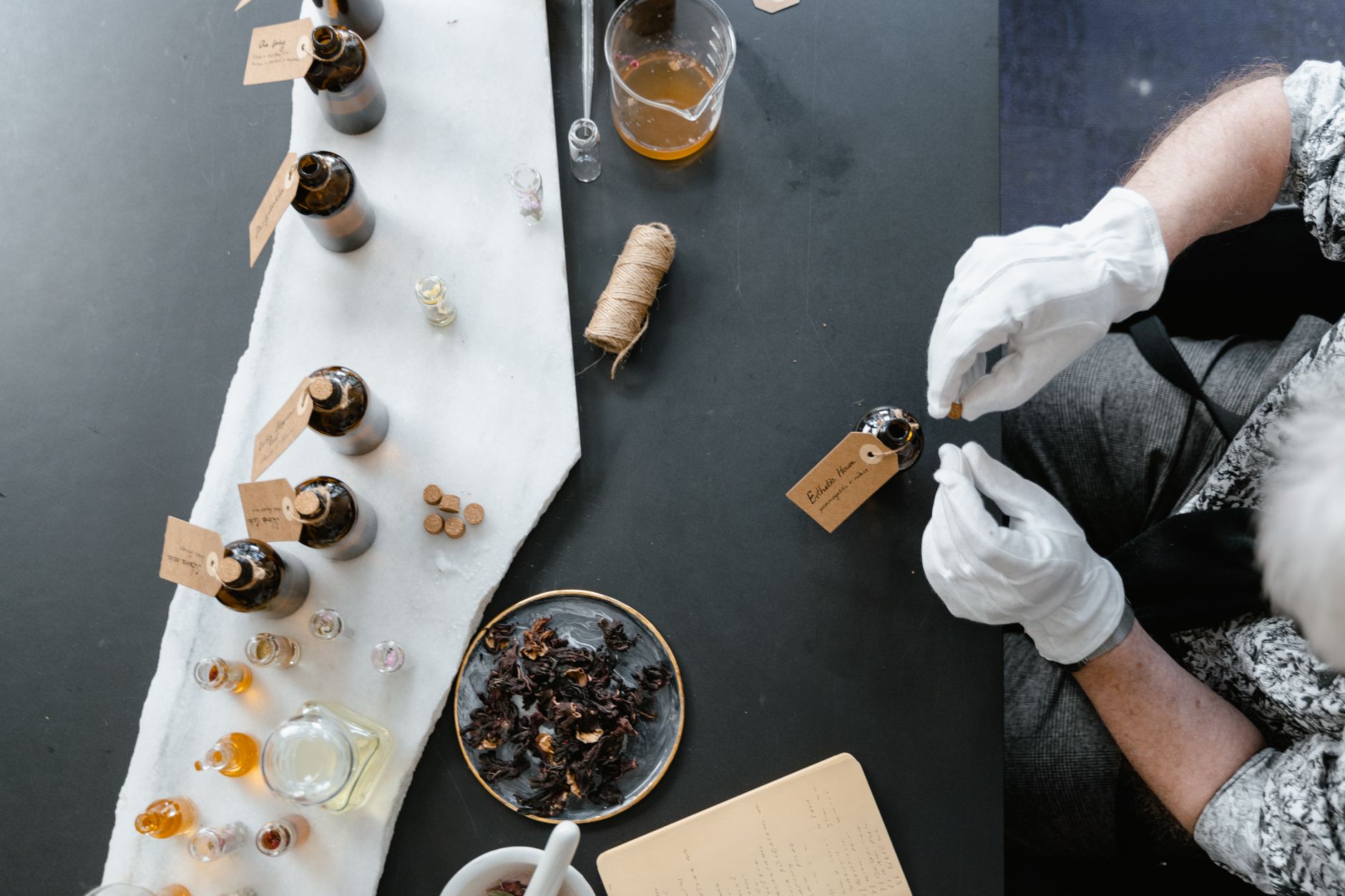
Creating your own perfume can be a fulfilling and enjoyable endeavor that allows you to personalize your scent. With just a few ingredients and some simple DIY steps, you can create a fragrance that reflects your unique style. In this guide, we’ll walk you through the essential ingredients, tools you need, and easy methods to craft your own perfume.
Whether you want to experiment with floral notes, fruity scents, or woody undertones, making your own perfume opens up a world of olfactory possibilities. Let’s get started!
What Are the Basic Steps to Make Perfume?
Making perfume involves selecting essential oils, blending them in the right proportions, and diluting them with a base. With these fundamental steps, you can create a signature scent suited to your preferences.
Essential Ingredients for DIY Perfumes
To make perfume at home, you’ll primarily need the following ingredients:
- Essential Oils: The heart of your fragrance. Choose oils based on your scent preferences. Common options include:
- Floral (e.g., rose, jasmine)
- Citrus (e.g., lemon, bergamot)
- Woody (e.g., sandalwood, cedar)
- Spice (e.g., cinnamon, clove)
- Herbaceous (e.g., basil, mint)
- Carrier Oils: These dilute essential oils and serve as a base for the scent. Common choices include:
- Jojoba Oil
- Sweet Almond Oil
- Fractionated Coconut Oil
- Grapeseed Oil
- Alcohol: High-proof alcohol, like vodka or perfumer’s alcohol, contributes to the longevity of the scent. It’s important for creating a sprayable perfume.
- Fixatives: These are optional but can help stabilize your scent. Common natural fixatives include:
- Amber
- Resins (e.g., myrrh, frankincense)
Tools Needed for Making Perfume
In addition to ingredients, you will need some basic tools:
- Glass bottles: Use dark glass bottles to store your finished perfume, as these help protect the oils from light degradation.
- Pipettes or droppers: For precise measurement of essential oils.
- Small funnel: Helps pour liquids into bottles without spills.
- Measuring cups or spoons: For accurate measurements of carrier oils and alcohol.
- Labels: To keep track of each scent blend.
Step-by-Step Guide to Creating Your Perfume
Now that you have your ingredients and tools ready, follow these step-by-step instructions to create your own personalized perfume.
- Choose Your Fragrance Notes:
Your perfume should consist of three types of notes:
- Top Notes: These are the initial scents that you smell (e.g., citrus, spices) and typically evaporate quickly. They should make up about 20-30% of your blend.
- Middle Notes: Known as the heart of the perfume, these scents come into play after the top notes evaporate (e.g., florals, herbs). They should account for about 30-50% of your blend.
- Base Notes: These scents provide depth and richness and last the longest (e.g., wood, amber). They should account for 20-30% of your blend.
- Measure the Essential Oils:
Using a dropper, measure the essential oils according to your desired proportions. For a 10ml bottle, a common ratio might be:
- Top Notes: 2-3 ml
- Middle Notes: 4-5 ml
- Base Notes: 2-3 ml
- Combine the Oils:
Add the measured essential oils into a small glass vial. Swirl gently to mix.
- Add the Carrier Oil or Alcohol:
The next step is to dilute the essential oils. If creating an oil-based roll-on perfume, fill it up with your carrier oil. If you’re making a spray perfume, add the high-proof alcohol to the blend:
- For an oil-based perfume, fill the rest of the bottle (e.g., 7-8 ml, depending on the size) with your chosen carrier oil.
- For a spray perfume, add about 10-20 ml of alcohol to the essential oil mixture.
- Let It Mature:
Allow your perfume to sit in a cool, dark place for at least 48 hours, though letting it mature for 4-6 weeks can enhance the scent complexity. This process allows the fragrance notes to blend and settle.
- Test and Adjust (Optional):
After the maturation period, test your fragrance. If you feel it needs adjusting, add a few more drops of the essential oil you want to enhance. Swirl gently and allow it to mature again, if necessary.
- Transfer to Final Bottles:
Once you’re satisfied with your perfume, use a funnel to transfer the mixture into your final glass bottle. Make sure to label it, including the date and fragrance name.
Tips for Creating a Unique Scent
Creating a perfume is as much about artistry as it is about following a recipe. Here are some additional tips to help you personalize your scent:
- Experiment: Don’t be afraid to try different combinations of oils. Test small batches to find the perfect blend.
- Keep Records: Write down your recipes and observations. This makes it easier to replicate or adjust your blends in the future.
- Use High-Quality Essential Oils: The quality of your ingredients significantly affects the final scent. Invest in good essential oils for the best results.
- Consider Seasonal Scent Preferences: You may prefer lighter, fresher scents in the summer and warmer, richer scents in the winter.
Common Mistakes to Avoid
As with any DIY project, there are pitfalls to watch out for. Here are some common mistakes to avoid when making perfume:
- Using Too Much Alcohol: While alcohol helps preserve fragrance, too much can overpower the other aromas and create a harsh scent.
- Skipping the Maturation Process: This is crucial for the scents to blend harmoniously. Be patient!
- Not Testing on Skin: Scents can change upon contact with skin due to body chemistry, so always test before finalizing your blend.
- Creating One Note Scents: Aim for a balanced fragrance using top, middle, and base notes for a well-rounded result.
Understanding Fragrance Families
Perfumes can be categorized into various families based on their scent profiles. Understanding these can help you choose and combine scents effectively:
- Floral: These fragrances are often feminine and can range from fresh to deep. Examples include rose, jasmine, and lily.
- Oriental: Usually warm and rich, these scents incorporate spices, resins, and woods, creating an exotic feel.
- Citrus: Bright and zesty, these fragrances provide a refreshing scent and are often used in summer perfumes.
- Woody: Earthy and rich, woody scents can be very grounding. Common base notes include sandalwood and cedar.
- Green: Aromatic and based on fresh cut grass or leaves, green fragrances are vibrant and invigorating.
How to Store Your Homemade Perfume
Proper storage is essential to maintain the quality of your homemade perfume:
- Store in a cool, dark place away from direct sunlight, heat, and humidity.
- Use dark glass bottles to help protect the contents from light exposure.
- Keep the lid tightly closed when not in use to minimize oxidation.
When to Use Your DIY Perfume
Applying your perfume at the right times can enhance your fragrance experience:
- Apply to pulse points such as wrists, behind the ears, and on the inner elbows, as these areas generate heat and can help the scent diffuse.
- Freshen up throughout the day if needed. A small rollerball bottle is handy for on-the-go applications.
- Consider layering with unscented lotion or oil to enrich your scent without overpowering it.
Final Thoughts
Making your own perfume is an enriching experience that allows you to embrace creativity while crafting a unique identity through scent. With simple ingredients and an understanding of fragrance basics, you can produce a signature scent that speaks to you.
Now that you have a basic guide on how to make perfume, start experimenting with your favorite scents today! Explore the world of fragrance and find joy in creating something that’s genuinely yours.
If you’re interested in the world of scents, check out our guides on Oud perfumes and find out if cologne expires. Happy crafting!