
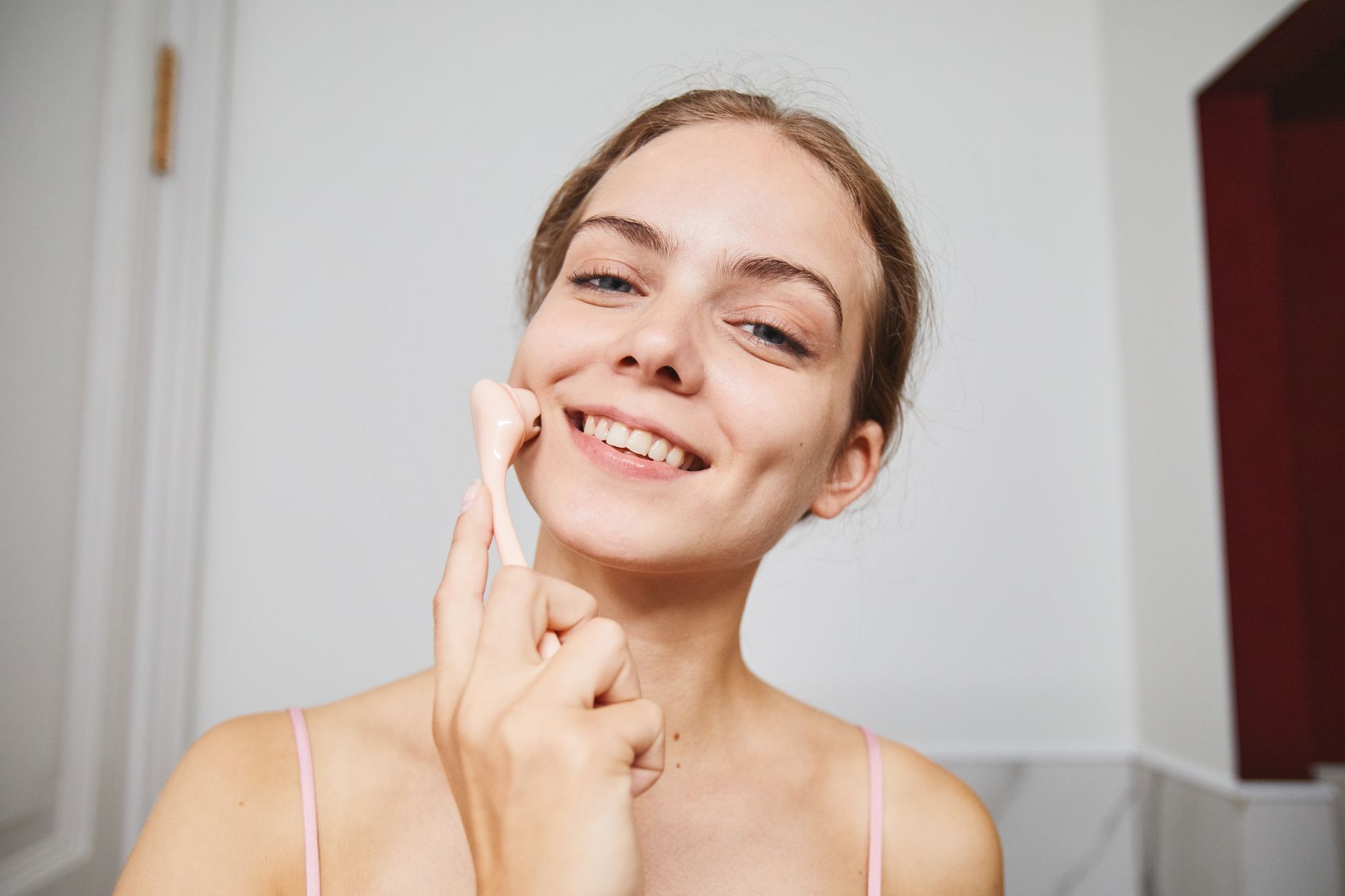
Derma rollers, also known as microneedling devices, have become increasingly popular in the realm of skincare. These small tools are designed to enhance skin texture, boost collagen production, and promote overall skin health through tiny needle penetration. However, there are essential factors to consider before integrating a derma roller into your skincare routine.
This article will explore what derma rollers are, their benefits, potential results, and the risks involved in their use. Understanding how derma rollers work can help you make an informed decision about whether they are right for your skincare needs.
Do Derma Rollers Work?
Yes, derma rollers can work effectively for some skin concerns. They are designed to help improve skin texture, reduce the appearance of scars and fine lines, and enhance product absorption. However, results can vary based on individual skin types and conditions.
Understanding Derma Rollers
Derma rollers are handheld tools that feature hundreds of tiny needles on a roller head. These needles create micro-injuries on the skin’s surface, which triggers the body’s natural healing processes. This process boosts collagen and elastin production, essential for maintaining skin firmness and elasticity.
- Needle Size: Derma rollers come in various needle lengths, typically ranging from 0.2mm to 3.0mm. Shorter needles are suitable for enhancing product absorption and minor texture improvements, while longer needles can address deeper scars and wrinkles.
- Material: The needles are usually made from surgical-grade stainless steel or titanium to ensure durability and sterility.
- Design: Derma rollers have ergonomic handles, making them easy to use at home or in a professional setting.
Benefits of Using Derma Rollers
Using a derma roller offers multiple benefits, making it a popular choice among skincare enthusiasts. Here are some of the main advantages:
1. Improved Skin Texture
One of the primary benefits of derma rollers is enhanced skin texture. The micro-injuries stimulate the skin’s healing process, promoting cell turnover and revealing smoother, healthier skin over time.
2. Reduction in Scars and Stretch Marks
Derma rollers can help diminish the appearance of acne scars and stretch marks. The collagen stimulation aids in filling out depressed scars, leading to a more uniform skin surface.
3. Anti-Aging Effects
Microneedling can generate anti-aging effects by reducing fine lines and wrinkles. As collagen levels increase, skin firmness improves, leading to a more youthful appearance.
4. Enhanced Product Absorption
Using a derma roller before applying serums or moisturizers can improve product absorption by creating micro-channels in the skin. This allows active ingredients to penetrate deeper, enhancing their effectiveness.
5. Increased Blood Circulation
The microneedling process promotes blood circulation, which can give skin a healthy, radiant glow.
Expected Results with Derma Rollers
While many individuals report positive results from using derma rollers, it is crucial to have realistic expectations. Here is what you can generally expect:
Timeline for Results
Results may vary, but many users start to notice improvements in skin texture and tone within a few weeks of consistent use. Optimal results typically require multiple sessions and can take several months to achieve fully.
Skin Type Considerations
Different skin types may respond differently to microneedling. For example:
- Individuals with oily skin may see faster results in diminishing acne scars.
- Dry or sensitive skin should approach derma rolling with caution, starting slowly to avoid irritation.
- People with darker skin tones should consider consulting a skincare professional, as they may be at a higher risk for post-inflammatory hyperpigmentation.
How to Use a Derma Roller
Incorporating a derma roller into your routine requires care to ensure safety and effectiveness. Follow these steps for proper usage:
Step 1: Choose the Right Needle Size
Select a needle size that fits your skincare goals:
- 0.2mm – 0.5mm: Ideal for boosting product absorption and improving skin texture.
- 1.0mm: Suitable for moderate wrinkles and acne scarring.
- 1.5mm – 2.0mm: Typically used for more severe scars and deeper lines.
Step 2: Prepare Your Skin
- Cleanse your face thoroughly with a gentle cleanser to remove impurities.
- Disinfect the derma roller by soaking it in isopropyl alcohol for a few minutes.
- Apply a numbing cream if using a longer needle size (optional but recommended for comfort).
Step 3: Start Rolling
Gently roll the derma roller over your skin using the following technique:
- Divide your face into sections (forehead, cheeks, chin, etc.).
- Roll the derma roller horizontally, vertically, and diagonally for about 5-10 passes in each direction.
- Apply light pressure; the process should not be painful.
Step 4: Clean and Treat
After rolling:
- Clean the derma roller again with alcohol and allow it to air dry.
- Apply a nourishing serum or moisturizer, taking advantage of the increased absorption.
Step 5: Post-Care
Post-rolling care is crucial:
- Avoid applying products with active ingredients (like acids or retinoids) for at least 24 hours.
- Stay out of direct sunlight and apply sunscreen when needed.
- Refrain from wearing makeup for at least 24 hours.
Potential Risks and Side Effects
While derma rollers can provide significant benefits, they also come with potential risks and side effects. Being aware of these is essential before starting treatments.
1. Skin Irritation
Some users may experience redness, swelling, or irritation following use. This response is often temporary but can be minimized by using the correct needle size and technique.
2. Infection
Improper sanitation of the derma roller can introduce bacteria into the skin, leading to infection. Always clean your derma roller thoroughly before and after use.
3. Scarring and Hyperpigmentation
Microneedling, especially if done incorrectly or with inappropriate needle lengths, can potentially lead to scarring or hyperpigmentation, particularly in darker skin types.
4. Pain or Discomfort
Some degree of discomfort may occur during the procedure, especially with longer needles. Using a numbing cream can help alleviate pain.
Common Mistakes to Avoid
To ensure the best results and minimize risks, keep the following in mind:
- Using Dirty Tools: Always maintain clean equipment to prevent infections.
- Over-Rolling: Do not apply excessive pressure or roll the same area multiple times, as this can cause skin damage.
- Ignoring Skin Sensitivity: Pay attention to how your skin responds and adjust the frequency of use accordingly.
- Inadequate Aftercare: Proper post-care is essential to avoid complications and promote healing.
Conclusion
Derma rollers can be a beneficial addition to your skincare routine when used correctly. With their ability to improve skin texture, enhance product absorption, and reduce the appearance of scars, they offer a practical solution for many skin concerns. However, it is essential to understand the potential risks and realistic results to make an informed choice. Always start slowly, adhere to proper sanitation practices, and listen to your skin’s needs.
If you are considering incorporating a derma roller into your routine, start by exploring the right tools and products to enhance your skincare journey. And if you’re looking for additional beauty techniques, check out our guides on how to dermaplane and dermaplane at home.