
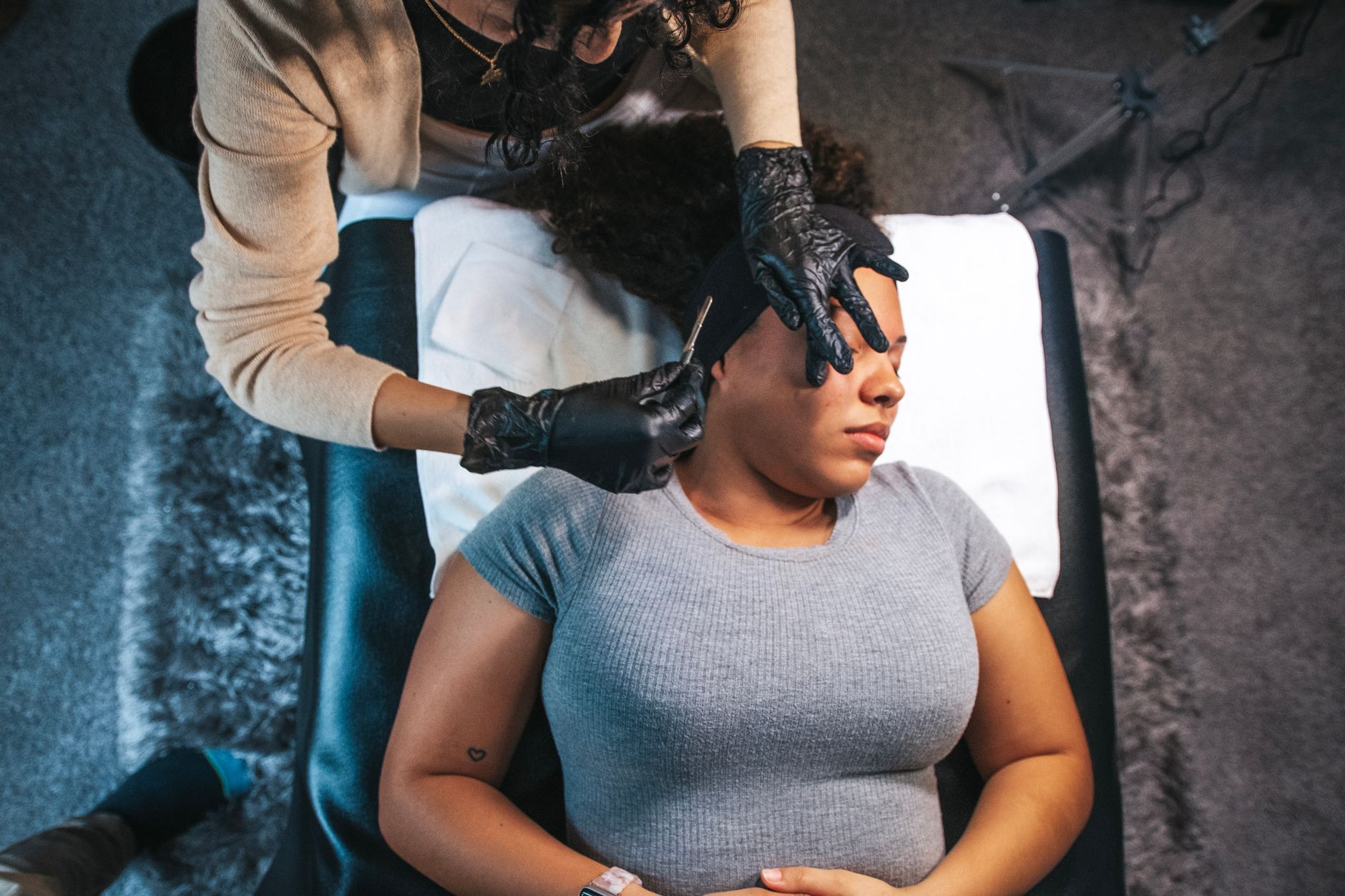
Dermaplaning is a popular skincare technique that involves gently exfoliating the skin’s surface using a sterile surgical scalpel. This treatment removes dead skin cells and vellus hair (often referred to as “peach fuzz”), resulting in smoother, brighter skin. Many enthusiasts undertake this procedure at home, but knowing the right techniques and precautions is essential for achieving the best results.
In this comprehensive guide, we’ll cover everything you need to know about how to dermaplane effectively. We’ll provide you with tips, tricks, and common mistakes to avoid to ensure a successful and safe experience.
How to Dermaplane?
To dermaplane successfully, follow these step-by-step instructions to prepare your skin, choose the right tool, and execute the technique correctly. By adhering to these guidelines, you’ll achieve smooth, glowing skin while minimizing irritation.
What You Need for Dermaplaning
Before you start dermaplaning, gathering the right tools and products is crucial. Here’s what you will need:
- A sterile dermaplaning tool (a surgical scalpel or a dermaplaning device)
- Cleansing facial wash
- Alcohol or antiseptic wipes
- A soothing serum or moisturizer
- A mirror with good lighting
- Sunscreen (for aftercare)
Who Can Dermaplane?
Dermaplaning is suitable for most skin types and tones. However, those with certain skin conditions should approach with caution. Here are some considerations:
- If you have acneic skin or active breakouts, consult a dermatologist before dermaplaning.
- Sensitivity or conditions like rosacea may require avoiding this treatment.
- Individuals with scarring or those who recently underwent chemical peels or laser treatments should also wait before attempting dermaplaning.
Step-by-Step Guide to Dermaplaning
- Prepare Your Skin: Start with a clean face. Use a gentle cleanser to remove makeup, dirt, and oils. Pat your skin dry with a clean towel.
- Sanitize Your Tools: Disinfect your dermaplaning tool with alcohol or antiseptic wipes to maintain hygiene and prevent infections.
- Hold Your Skin Taut: Use one hand to pull your skin tight. This technique helps create a smooth surface for exfoliating.
- Angle the Tool: Hold the dermaplaning tool at a 45-degree angle to your skin. This angle minimizes the risk of cuts and increases effectiveness.
- Exfoliate: Gently glide the tool across your skin in short, swift strokes. Start at the top of your cheek and work downwards, following the contours of your face. Avoid the eye area and any active breakouts.
- Post-Dermaplaning Care: Once you’ve completed the procedure, cleanse your face again gently to remove any skin debris. Follow up with a soothing serum or a lightweight moisturizer.
- Apply Sunscreen: Protect your newly exfoliated skin from sun damage by applying broad-spectrum sunscreen. UV rays can aggravate sensitive skin, so don’t skip this step!
Tips for Successful Dermaplaning
- Choose the Right Time: Consider dermaplaning in the evening, allowing your skin to recover overnight and reducing any redness or irritation.
- Use Light Pressure: Dermaplaning should not hurt. Use a gentle touch and avoid pressing too hard on the skin.
- Work in Sections: Divide your face into sections (forehead, cheeks, chin, and upper lip) to ensure thorough and even exfoliation.
- Stay Consistent: Dermaplaning can be done every three to four weeks, but listen to your skin. If it feels irritated, give it extra time to recover.
Common Mistakes to Avoid
Even with the right preparation, dermaplaning can go wrong if you’re not careful. Here are some common mistakes people make:
- Dermaplaning Over Active Breakouts: Avoid dermaplaning over active acne or irritated areas to prevent further inflammation.
- Skipping Sun Protection: After dermaplaning, your skin may be more sensitive to the sun. Always wear sunscreen before heading outside.
- Using Dull Tools: A dull blade can lead to tugging on the skin, causing irritation or cuts. Always use a sharp, sterile blade.
- Not Following Up with Skincare: Proper aftercare is essential. Skipping moisturizers or serums can lead to dryness and irritation.
Signs of Irritation and What to Do
It’s normal to experience slight redness immediately after dermaplaning, but there are other signs to watch for:
- Persistent redness that lasts more than a couple of hours
- Burning or stinging sensations
- Rash or unusual bumps on the skin
If you experience any signs of irritation, discontinue using active skincare ingredients such as retinoids or acids until your skin has healed. If reactions persist, consider consulting a dermatologist.
Benefits of Dermaplaning
Dermaplaning offers several benefits that can enhance your skin’s overall appearance and texture:
- Smoother Skin: Regular dermaplaning removes dead skin cells, revealing a smoother surface layer.
- Improved Product Absorption: Exfoliating the top layer of skin can help your skincare products penetrate deeper, making them more effective.
- Better Makeup Application: With dead skin and peach fuzz removed, makeup typically applies more smoothly and looks more natural.
- Brightened Complexion: Exfoliating can lead to a brighter, more radiant appearance.
Post-Dermaplaning Skincare Routine
After dermaplaning, it’s essential to be gentle with your skin and hydrate it effectively. Here is a simple skincare routine to follow for the next few days:
- Gentle Cleanser: Use a sulfate-free, gentle cleanser for the next few days to avoid irritation.
- Hydrating Serum: Apply a hydrating serum with hyaluronic acid to keep your skin nourished.
- Moisturizer: Follow up with a non-comedogenic moisturizer that suits your skin type.
- Sunscreen: Always apply a broad-spectrum sunscreen daily to protect against UV exposure.
When to Seek Professional Help
If you’re hesitant about dermaplaning at home, or if you have sensitive skin or specific concerns, seeking a professional facialist or dermatologist can be beneficial. Professionals can provide tailored services and advanced skincare treatments to further enhance your skin health.
Conclusion
Dermaplaning can be an effective way to achieve smoother, brighter skin when done correctly. By following the right techniques and being mindful of post-care, you can enjoy the benefits of this exfoliation method safely at home. Remember to be patient with your skin and avoid common pitfalls for the best results.
For more information on related beauty topics, be sure to check out our entries on what dermaplaning is and how to exfoliate your face.