
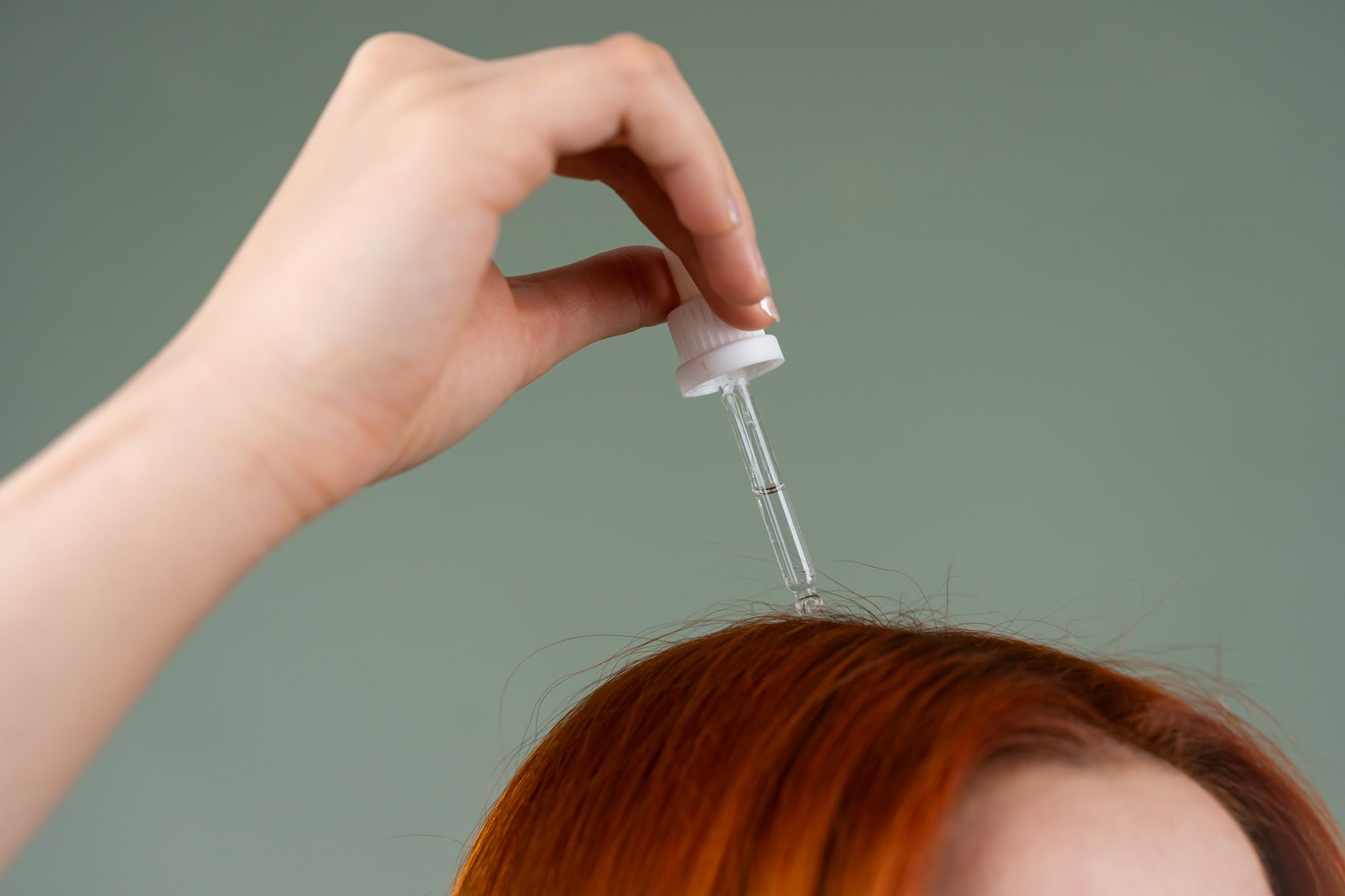
Itchy scalp can be an annoying and uncomfortable condition that many people experience at some point. It may be caused by dryness, irritation, sensitivity, or underlying skin conditions. Understanding the causes and effective solutions can significantly alleviate discomfort and help maintain a healthy scalp.
This article explores practical ways to stop an itchy scalp, including simple fixes and prevention tips that cater to your scalp’s specific needs. Let’s dive into the methods and products that can bring relief.
How to Stop Itchy Scalp?
To stop an itchy scalp, it’s essential to identify the underlying causes and use appropriate treatments and preventive measures. Simple fixes include using moisturizing shampoos, scalp oils, and maintaining a healthy haircare routine. Implementing lifestyle changes and seeking professional advice may also be beneficial.
Understanding the Causes of Itchy Scalp
It’s important to recognize that itchy scalp can occur for various reasons, including:
- Dryness: Lack of moisture can lead to flakiness and irritation on the scalp.
- Allergic Reactions: Certain hair products contain ingredients that may cause allergic reactions, leading to sensitivity and itchiness.
- Scalp Conditions: Issues such as dandruff, psoriasis, or dermatitis can result in chronic itchiness.
- Hygiene Practices: Infrequent washing or improper cleansing can lead to the accumulation of oil and product buildup, causing irritation.
- Environmental Factors: Extreme weather conditions can affect the scalp’s moisture levels, causing itchiness.
- Stress: High stress levels can exacerbate itchiness and other scalp-related issues.
Simple Fixes for Itchy Scalp
Once you understand the potential causes of your itchy scalp, you can implement some straightforward fixes. Here are several options to consider:
1. Choose the Right Shampoo
Selecting a shampoo designed for sensitive or dry scalps can make a significant difference. Look for the following ingredients:
- Aloe Vera: Known for its soothing properties.
- Tea Tree Oil: Has antibacterial and antifungal properties that can help alleviate irritation.
- Salicylic Acid: Helps in exfoliating the scalp, removing flakes, and minimizing itchiness.
- Jojoba Oil: Mimics natural scalp oils, providing moisture without clogging pores.
2. Regular Exfoliation
Just as your skin benefits from exfoliation, your scalp can also benefit from gentle exfoliation. This can help remove dead skin cells and product buildup, preventing itchiness. You might use:
- Scalp Scrubs: Formulated specifically for scalp use, these products can gently exfoliate.
- DIY Sugar Scrub: Mixing sugar with your favorite oil can create a natural exfoliant.
3. Moisturizing Treatments
Incorporating scalp treatments designed to moisturize can combat dryness and irritation:
- Scalp Oils: Oils like coconut or argan oil can provide deep hydration and soothe an itchy scalp.
- Leave-In Conditioners: These products can help provide ongoing moisture between washes.
- Hot Oil Treatments: Try a warm oil treatment once a week to nourish the scalp.
4. Adjust Your Washing Routine
How frequently you wash your hair can impact the health of your scalp. Striking the right balance is crucial:
- Washing too often can strip the scalp of natural oils, leading to dryness.
- Washing too infrequently can allow oil and dirt to build up, causing irritation.
Most people find that washing their hair every two to three days maintains optimal scalp health.
5. Cold Compresses
If your scalp is inflamed or irritated, using a cold compress can provide immediate relief:
- Wrap ice in a clean cloth or use a cold pack.
- Apply it gently to the itchy areas for 5 to 10 minutes.
Preventive Measures for a Healthy Scalp
Active prevention can minimize the risk of developing an itchy scalp in the future. Consider these tips:
1. Hydrate from Within
Drinking plenty of water helps to maintain hydration levels in your skin and scalp. Aim for at least eight glasses per day.
2. Maintain a Balanced Diet
Consuming nutrient-rich foods can support scalp health:
- Omega-3 Fatty Acids: Found in fish, flaxseeds, and walnuts, they help reduce inflammation.
- Vitamins: Vitamins A, D, E, and B-complex are essential for healthy skin and hair.
3. Minimize Heat Styling
Excessive use of heat-styling tools can lead to dryness, increasing itchiness. If you must use heat, always apply a heat protectant to shield your scalp and hair.
4. Choose Suitable Hair Products
When selecting haircare products, pay attention to ingredients. Avoid products that contain:
- Sulfates: Harsh surfactants that can strip natural oils.
- Alcohol: Can be drying and irritating to the scalp.
- Fragrances: Potential irritants that can provoke allergic reactions.
5. Scalp Massages
Regular scalp massages can improve blood circulation and promote healthy hair growth. Consider the following methods:
- Use your fingertips to massage in circular motions on the scalp for 5 to 10 minutes.
- Incorporate a nourishing oil for added benefits.
When to Seek Professional Help
While many cases of itchy scalp can be managed with at-home remedies, there are situations where professional guidance becomes crucial:
- If persistent itchiness is accompanied by visible symptoms (redness, swelling, or rash).
- If over-the-counter solutions do not provide relief after several weeks.
- If you suspect an underlying condition, such as psoriasis or seborrheic dermatitis.
Consulting a dermatologist can offer tailored advice and potential prescriptions to address your concerns.
Common Mistakes to Avoid
While trying to resolve an itchy scalp, it’s easy to make mistakes that can exacerbate the condition:
- Over-washing: Doing so can strip necessary oils and lead to dryness.
- Ignoring Ingredients: Failing to read product labels can result in further irritation.
- Using Hot Water: Washing hair with hot water can dry out the scalp; lukewarm water is best.
Realistic Expectations for Improvement
Relief from an itchy scalp may not happen overnight. Depending on the underlying cause, you may need to try a combination of treatments for several weeks before noticing significant improvement.
Introduce products gradually rather than all at once to better identify what works for you. Also, observe how your scalp reacts and make adjustments as necessary.
Conclusion
Addressing an itchy scalp can involve a blend of the right products, diligent care, and preventive measures. By educating yourself on the causes and implementing practical solutions, you can maintain a healthy, itch-free scalp. Start by choosing suitable products and consider adjusting your routine to find the best balance for your unique scalp needs.
To further support your scalp health, you may want to explore additional topics such as how to get rid of dandruff or how to moisturize your scalp. These resources can deepen your understanding and provide helpful insights into scalp and hair care.