
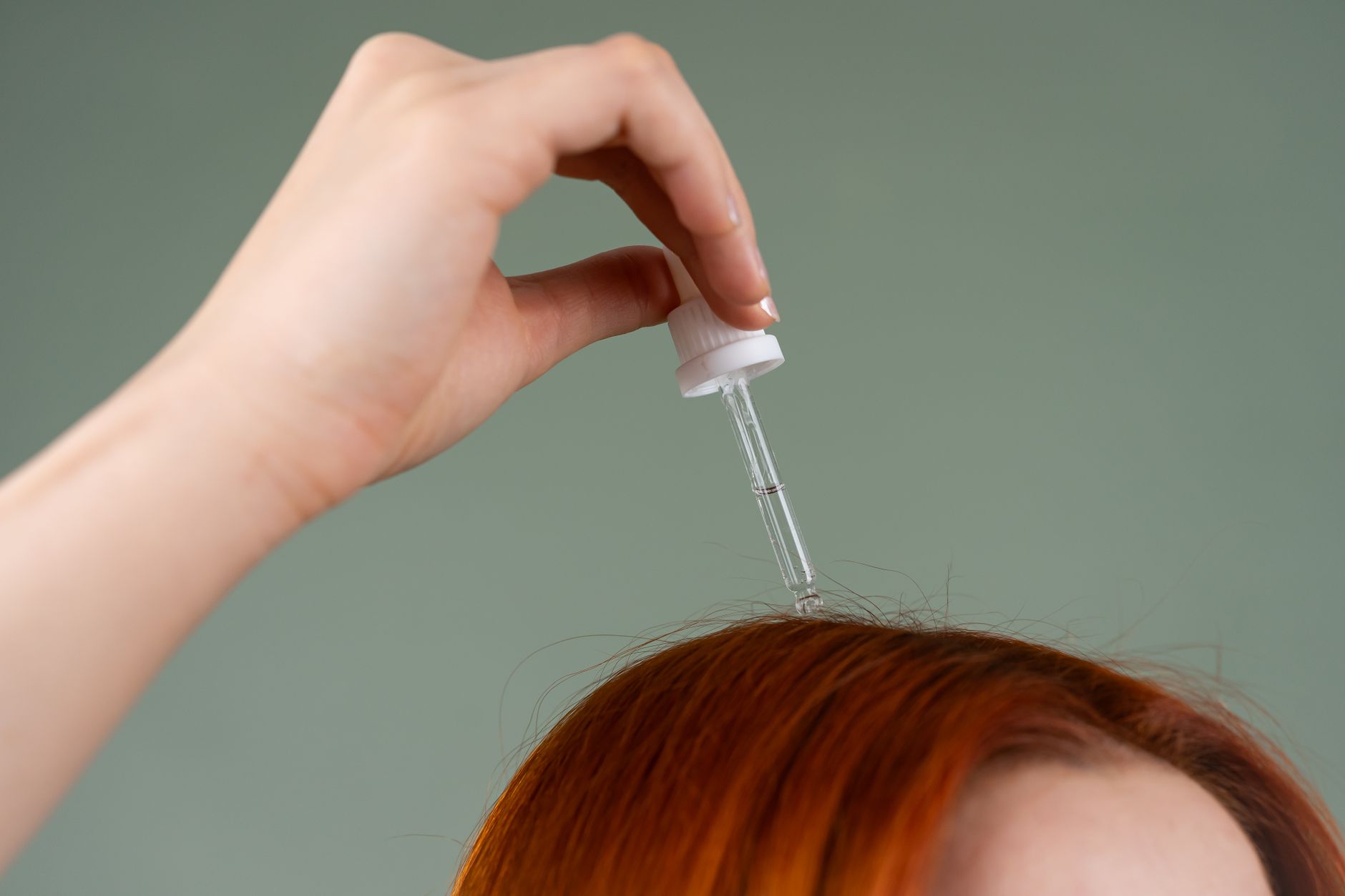
Exfoliating the scalp is an essential step for maintaining healthy hair and a balanced scalp environment. Similar to facial and body exfoliation, scalp exfoliation helps eliminate dead skin cells, product buildup, and excess oils that can lead to issues like dandruff, irritation, and even hair loss. Regular exfoliation can promote better scalp health and create a more conducive environment for hair growth.
In this guide, you’ll discover practical techniques to effectively exfoliate your scalp, along with prevention tips to enhance overall scalp care. Whether you have oily, dry, or sensitive skin, there’s a method that’s right for you.
How to Exfoliate Scalp?
To exfoliate your scalp, gently massage an appropriate exfoliating product or a homemade treatment into your scalp using your fingertips. Rinse thoroughly to remove dead skin and buildup, and follow up with a nourishing conditioner. Regular exfoliation can enhance blood circulation, reduce irritation, and create a healthy base for hair to thrive.
Why Exfoliate Your Scalp?
Exfoliating your scalp offers various benefits that contribute to maintaining a healthy balance. Here are some compelling reasons to incorporate scalp exfoliation into your routine:
- Removes Buildup: Styling products, oils, and dead skin can accumulate on the scalp, leading to clogged hair follicles.
- Reduces Dandruff: Exfoliation helps eliminate the flakiness associated with dandruff and keeps the scalp feeling fresh.
- Promotes Hair Growth: Healthy blood circulation stimulated by exfoliation may encourage hair growth.
- Improves Absorption: Exfoliated scalp can absorb topical treatments like serums and oils more effectively.
- Relieves Itchiness: By removing irritants and dead skin, you can relieve itchiness or redness.
Signs You Need to Exfoliate Your Scalp
Not everyone may need to exfoliate their scalp regularly, but several signs can indicate it’s time to start. Look for these signals:
- Flaky or dry skin on the scalp.
- An itchy or irritated scalp.
- Excess oil buildup, leading to greasy hair.
- Visible product buildup, making hair look dull.
- Difficulty keeping your hair clean and fresh.
Choosing the Right Exfoliation Method
The right method for exfoliating your scalp can depend on your hair type, scalp condition, and personal preferences. Here are the main techniques:
1. Physical Exfoliation
This method involves using scrubs or brushes that contain small granules to physically slough off dead skin. Here’s how to do it:
- Select a gentle scalp scrub designed specifically for the scalp.
- Apply the scrub to damp hair before shampooing.
- Gently massage it into your scalp using your fingertips for a few minutes.
- Rinse thoroughly and follow with your regular shampoo and conditioner routine.
2. Chemical Exfoliation
Chemical exfoliants typically include ingredients like salicylic acid, glycolic acid, or alpha hydroxy acids (AHAs). They work by dissolving the bonds holding dead skin cells together. Follow these steps:
- Choose a chemical exfoliant suitable for the scalp.
- Apply it to a clean, dry scalp and let it sit according to the product instructions.
- Gently massage to ensure even coverage.
- Rinse well with water.
3. Natural Exfoliation
For those who prefer DIY methods, natural ingredients can provide effective exfoliation. Some popular options include:
- Brown Sugar: A gentle scrub that dissolves easily in warm water.
- Coffee Grounds: Offers invigorating properties and can stimulate blood flow.
- Oatmeal: Great for sensitive scalps, it can soothe while exfoliating.
To use a natural method, combine your preferred ingredient with a carrier oil like coconut or olive oil to create a paste. Apply it to your scalp, massage gently, and rinse thoroughly.
How Often Should You Exfoliate?
The frequency of exfoliation can vary based on individual scalp conditions and hair types. As a general guideline:
- Oily Scalps: Exfoliate once a week to manage excess oil and buildup.
- Dry or Sensitive Scalps: Exfoliate every two to four weeks to avoid irritation.
- Normal Scalps: Exfoliate every 2-3 weeks for upkeep.
Monitor your scalp’s response and adjust the frequency as needed. If you experience any irritation, reduce the frequency of exfoliation.
Tips for Effective Scalp Exfoliation
To maximize the benefits of exfoliation while avoiding potential pitfalls, consider these tips:
- Be Gentle: Use light pressure when massaging; harsh scrubs can cause irritation.
- Stay Hydrated: Keep your scalp moisturized after exfoliating with a nourishing conditioner or oil.
- Choose the Right Products: Avoid products with harsh chemicals that may cause further irritation.
- Patch Test: Always perform a patch test when trying new exfoliating products, especially with chemical exfoliants.
- Follow Up with a Conditioner: After exfoliating, always follow up with a hydrating conditioner to restore moisture.
Common Mistakes to Avoid
While exfoliating your scalp has many benefits, it’s important to avoid these common pitfalls:
- Over-Exfoliating: Doing it too often can lead to irritation or increased sensitivity.
- Using Harsh Scrubs: Avoid using products not designed for the scalp, like abrasive body scrubs.
- Neglecting Moisture: Not applying conditioner after exfoliation can leave the scalp dry and flakey.
- Ignoring Reactions: If you experience burning or discomfort, stop using the product immediately.
How to Build a Scalp Care Routine
A well-rounded scalp care routine enhances the benefits of exfoliation. Here’s how to structure your regimen:
- Scalp Exfoliation: Start with your chosen exfoliation method tailored to your needs.
- Shampoo: After exfoliating, use a mild shampoo to cleanse away impurities.
- Condition: Follow with a moisturizing conditioner to maintain hydration.
- Scalp Treatment: Occasionally apply nourishing treatments like oils or serums to improve scalp health.
- Massage: Massage the scalp regularly to promote circulation; this can be done with or without products.
Prevention Tips for a Healthy Scalp
In addition to regular exfoliation, maintaining a healthy scalp can prevent many issues. Keep these tips in mind:
- Maintain a Healthy Diet: Eating a balanced diet rich in nutrients can improve scalp health.
- Stay Hydrated: Drinking enough water helps keep the scalp and hair hydrated.
- Avoid Overuse of Products: Limit the number of styling products to reduce buildup.
- Protect from the Sun: Use hats or UV protection treatments during prolonged sun exposure.
- Avoid Hot Showers: Hot water can dry out the scalp; opt for lukewarm temperatures instead.
Conclusion and Next Steps
Exfoliating your scalp can be a transformative step in your hair care routine, with benefits ranging from improved circulation to enhanced hair growth. Choose the right method for your hair type and scalp condition, and establish a regular exfoliation routine to keep your scalp healthy.
If you’re curious to learn more about related topics, check out our guides on how to get rid of dandruff and how to moisturize scalp for additional tips!