
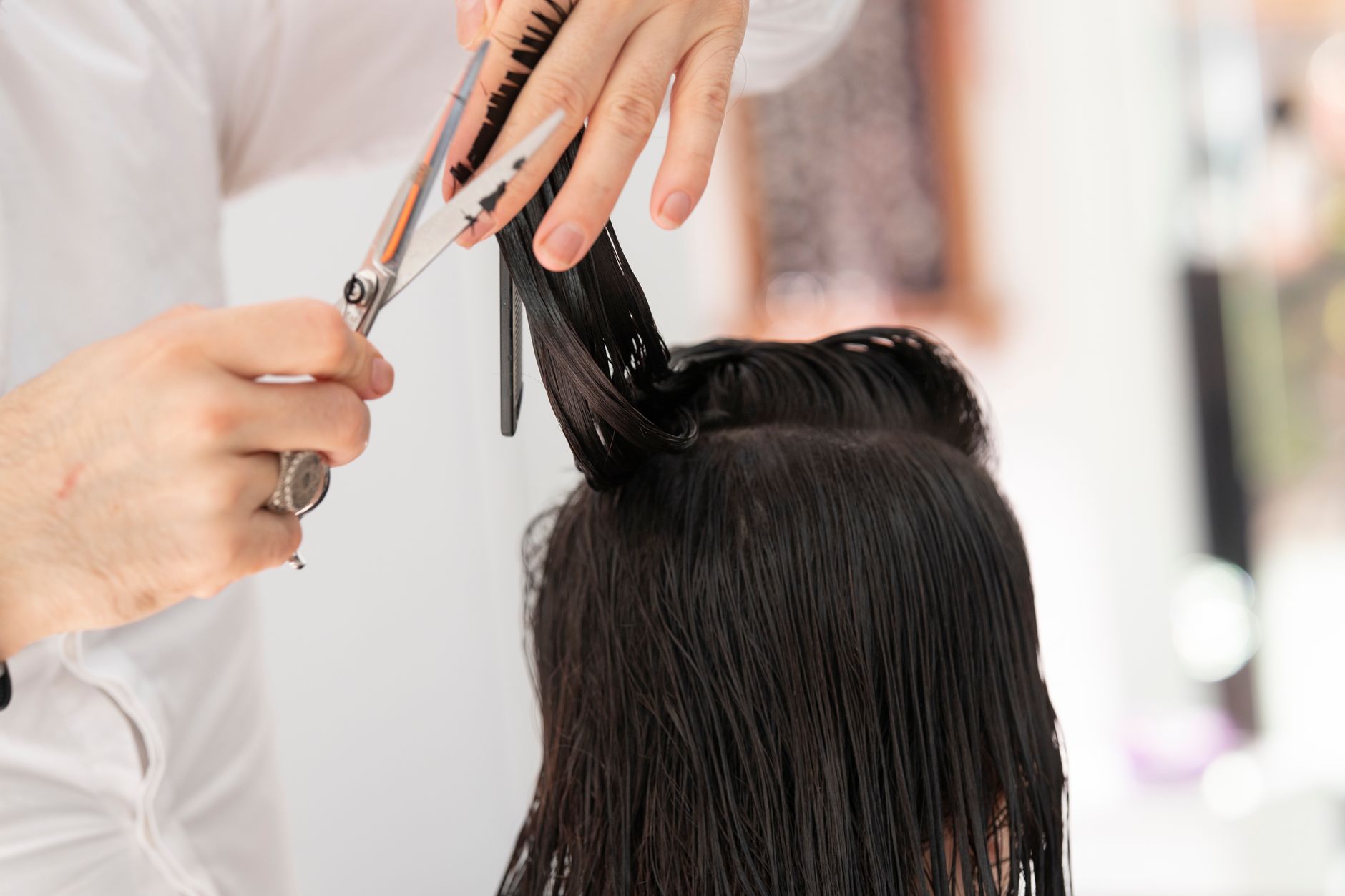
Cutting layers in hair can add vitality, movement, and texture to your hairstyle without the need for complex styling tools. This beginner-friendly guide will walk you through the essential steps and tips to successfully add layers to your hair at home. Get ready to bring a fresh look to your locks!
Whether you have straight, wavy, or curly hair, layering can enhance your natural beauty. With the right technique, anyone can achieve a professional-looking layered cut. This tutorial will cover the tools you need, the cutting techniques, tips for various hair types, and troubleshooting common issues.
How to Cut Layers in Hair?
To cut layers in hair, you first need to gather the right tools, section your hair properly, and use specific cutting techniques. Start by preparing your hair and choose a method like the point cut for soft, feathered layers or blunt cutting for defined layers. Practice patience, and don’t forget to grab a mirror!
Essential Tools for Cutting Layers
Before you begin, make sure you have the following tools ready to ensure a clean and professional result:
- Sharp hair scissors or shears designed for cutting hair.
- Fine-tooth comb for sectioning and detangling.
- Hair clips to hold sections of hair in place.
- A mirror, preferably two—one in front and one behind—to see your entire head.
- Water spray bottle to keep hair damp while cutting.
- Hair ties to secure long hair for easier sectioning.
Preparing Your Hair for Layering
Getting your hair ready for cutting is crucial. Here’s how to prepare effectively:
- Wash and Dry: Start with freshly washed hair. Damp hair is easier to cut accurately.
- Detangle: Use a fine-tooth comb to gently detangle your hair to prevent any snags.
- Decide on Length: Before starting, decide how long you want your layers to be. This will influence your cutting technique.
- Work with Clean Sections: Section your hair into manageable parts, usually four or six, depending on thickness. Use clips to keep each section out of the way.
Techniques for Cutting Layers
Here are some popular techniques for cutting layers in your hair:
1. Point Cutting
Point cutting involves cutting the ends of the hair at an angle, which creates soft, textured layers:
- Start with the bottom layer. Take a small section of hair, hold it between your fingers, and point the scissors upwards at a 45-degree angle.
- Cut the ends, slowly working your way around your head. This will create a soft and blended look.
2. Blunt Cutting
Blunt cutting creates sharper, more defined layers. This method is best for straight hair:
- Take a section of hair and hold it straight. Cut across the bottom horizontally for a clean line.
- Continue around your head, adjusting for your desired lengths.
3. Layering with the ‘Unicorn’ Method
This method involves making a ponytail to create layers without too much complexity:
- Gather your hair into a high ponytail on top of your head. Secure it with an elastic band.
- Decide how much length you want to take off and cut straight across. Make sure to keep an eye on how your hair falls once released.
4. Slide Cutting
Depending on your comfort level, slide cutting can provide a more textured layer:
- Hold a section of hair between your fingers and slowly slide the scissors along the hair strands, cutting only a small amount at a time.
- This technique requires some skill but can create beautiful, soft layers.
Cutting Layers Based on Hair Type
Your hair type may affect how you approach cutting layers. Here are tips for varying textures:
Straight Hair
For straight hair, blunt cuts can give a clean look while point cutting provides a softer finish. Focus on sectioning and cutting uniformly for balanced layers.
Wavy Hair
Wavy hair often benefits from point cutting, as this technique will soften the overall structure, preventing the layering from looking too bulky.
Curly Hair
For curly hair, consider cutting when the hair is dry to see how it naturally falls. Use the point cut technique sparingly to maintain volume without removing curls. Check out specific techniques for curly hair.
Common Mistakes to Avoid
While cutting layers, avoid these common issues to enhance your success:
- Cutting too much at once; start with a small amount to avoid irreversible mistakes.
- Failing to check the layers from various angles; use multiple mirrors to confirm consistency.
- Neglecting the natural fall of hair; always allow for how hair behaves once cut.
- Rushing the process; take your time to ensure each layer blends seamlessly.
Finishing Touches
Once you’ve finished cutting, it’s time for the final touch-ups:
- Check for Evenness: Cross-check all sections to ensure they are even.
- Style Hair: Style your hair as you normally would to see how the layers flow during your regular routine.
- Trim Where Necessary: Make any minor adjustments if certain areas need refining.
Maintenance Tips for Layered Hair
After achieving your layers, keeping them looking fresh is important. Here are tips for maintenance:
- Hydration is key; use a nourishing conditioner to keep layers from appearing frayed.
- Regular trims every 6-8 weeks can help maintain the shape and prevent split ends.
- Use a leave-in conditioner or styling cream to enhance the definition of your layers.
Troubleshooting Layering Issues
If you encounter issues after cutting layers, here are solutions to common problems:
Uneven Layers
If your layers appear uneven, carefully go back with your scissors and make small adjustments to balance them.
Too Much Hair Cut
If you realize you’ve cut too much, consider using hair products to help style the cut and blend it more comfortably.
Lack of Volume
To achieve more volume, explore texturizing sprays or use volumizing products to give a lift at the roots.
Conclusion
Cutting layers in your hair can be a wonderful way to refresh your look without visiting a salon. Armed with the right tools, techniques, and a little practice, anyone can master this skill. Remember to be patient with yourself and embrace the process.
If you’re interested in more haircare advice, check out our guides on how to cut your own hair and cutting curly hair. Happy cutting!