
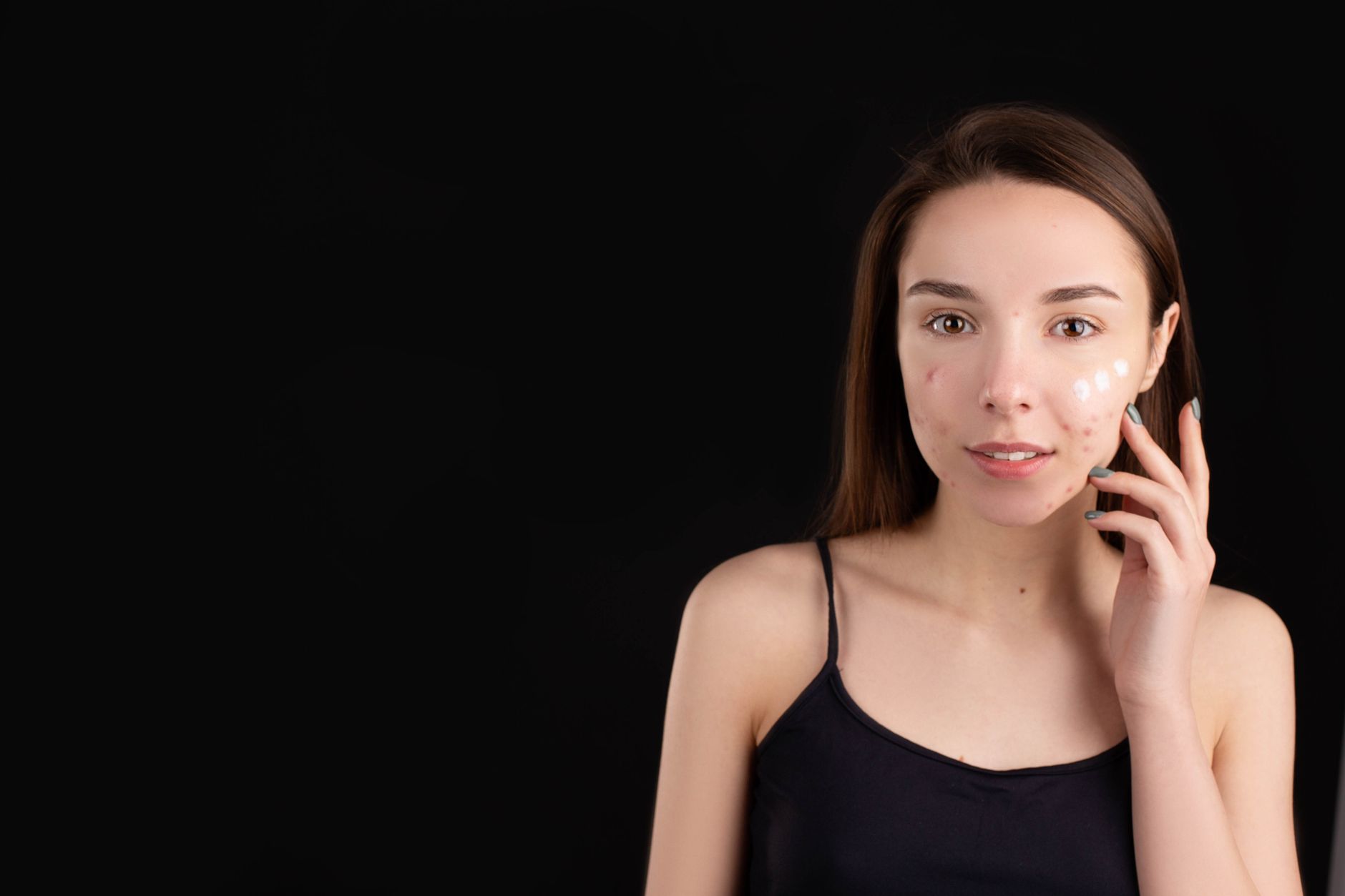
Pimples are an unwelcome and often painful feature in many people’s lives, causing not only cosmetic concerns but also discomfort. Understanding why pimples hurt can help you manage your skincare routine more effectively and prevent future breakouts. This article will explore the reasons behind the pain associated with pimples, offering insights into causes, prevention strategies, and essential care tips.
Acne is a common skin condition that occurs when oil, dead skin cells, and bacteria clog hair follicles. While many think of acne as a purely cosmetic issue, it’s important to recognize that pimples can be painful and lead to proper care and treatment to reduce discomfort and scarring.
Why Do Pimples Hurt?
Pimples hurt primarily due to inflammation and infection. When hair follicles become clogged, their walls can break down, leading to an immune response from the body. This response triggers inflammation, which manifests as redness, swelling, and, ultimately, pain. Moreover, if a pimple becomes infected with bacteria, the pain can be even more intense.
Here are some specific reasons why pimples can cause discomfort:
- Inflammation: The body responds to clogged pores with increased blood flow and immune activity, resulting in redness and swelling.
- Nerve Involvement: The skin contains numerous nerve endings. When inflamed, these nerves can send pain signals to the brain.
- Pressure Build-up: As pus accumulates in a pimple, it creates pressure in the surrounding tissues, leading to pain.
- Infection: Pimples can become infected with bacteria, exacerbating inflammation and pain.
- Type of Pimple: Different types of pimples, such as cystic acne or pustules, can have varying pain levels, with deeper lesions generally being more painful.
Types of Pimples and Their Pain Levels
Understanding the various types of pimples can help you gauge pain levels and determine the best course of action for treatment. Here are the common types of acne lesions and their associated discomfort:
1. Whiteheads
Whiteheads are closed comedones filled with pus. They can cause mild discomfort but are usually less painful compared to other types of acne. Treatment usually involves gentle exfoliation and topical treatments.
2. Blackheads
Blackheads are open comedones where the surface is exposed to air, resulting in oxidation. They generally do not cause pain but can lead to inflammation if not treated.
3. Papules
Papules are small, red, raised bumps that can be tender and sore due to inflammation. They often require gentle care to reduce redness and discomfort.
4. Pustules
Pustules are pus-filled lesions that can be painful due to pressure and infection. Treatment often involves topical acne treatments that target inflammation. Avoiding popping is crucial to prevent further irritation.
5. Nodules
Nodular acne consists of large, painful lumps under the skin. These are highly inflamed and can be extremely painful. They often necessitate treatment from a dermatologist.
6. Cysts
Cystic acne represents the most severe form, filled with pus and deeply embedded in the skin. They can be severely painful and often require professional treatment to manage effectively.
Prevention of Painful Pimples
Taking preventive measures can help reduce your chances of experiencing painful pimples. Here are effective strategies to keep in mind:
- Consistent Skincare Routine: Establish a daily skincare regimen that includes cleansing, exfoliating, and moisturizing. Using non-comedogenic products can help keep your pores clear.
- Gentle Cleansing: Use a gentle cleanser twice daily. Avoid harsh scrubs that can irritate the skin, leading to increased pain and inflammation.
- Avoid Picking: Picking or squeezing pimples can exacerbate inflammation and lead to scarring. Resist the urge to pop to minimize pain.
- Exfoliate Wisely: Regular exfoliation can prevent clogged pores. Opt for chemical exfoliants like salicylic acid, which is effective at treating acne without heavy scrubbing.
- Hydration and Nutrition: Drink plenty of water and eat a well-balanced diet rich in vitamins and minerals to maintain overall skin health.
- Manage Stress: Stress can trigger hormonal imbalances that promote acne. Techniques such as yoga, meditation, and regular exercise can help manage stress levels.
- Seek Professional Help: If you frequently face painful breakouts, consult a dermatologist to discuss tailored treatment options and possible underlying conditions.
Care Tips for Painful Pimples
If you find yourself with a painful pimple, there are several care tips that can alleviate discomfort:
- Apply a Cold Compress: Use a clean cloth or ice pack wrapped in a towel to soothe inflammation and numb pain. Hold it against the pimple for 10-15 minutes.
- Topical Treatments: Look for over-the-counter products containing benzoyl peroxide or salicylic acid, which can reduce inflammation and expedite healing.
- Use Anti-inflammatory Treatments: Products containing niacinamide or tea tree oil can help reduce redness and swelling.
- Avoid Heavy Makeup: If you’re dealing with a painful pimple, consider skipping makeup or using non-comedogenic options to let your skin breathe.
- Maintain Cleanliness: Ensure that your hands, phone, and pillowcases are clean to avoid further irritation and prevent bacteria from spreading.
- Consider Professional Treatment: In severe cases, professional treatments like cortisone injections can provide quick relief from pain and inflammation.
When to Seek Professional Help
While many acne treatments can be managed at home, certain situations necessitate professional intervention. You might consider consulting a dermatologist if:
- The pimples are painful and persistent, not responding to over-the-counter treatments.
- You experience excessive scarring or hyperpigmentation.
- There is widespread acne affecting your self-esteem and mental wellbeing.
- You suspect an underlying issue, such as hormonal imbalances.
Common Mistakes to Avoid
As you care for pimples, be aware of these common pitfalls:
- Popping Pimples: Squeezing a pimple can push bacteria deeper into the skin, leading to more painful breakouts.
- Using Harsh Products: Overusing strong, abrasive exfoliants can irritate the skin and worsen inflammation.
- Skipping Moisturizer: Even oily skin needs hydration. Leaving out moisturizer can cause your skin to overproduce oil, leading to more acne.
- Not Allowing Skin to Heal: Constantly applying new treatments without giving your skin time to recover can create further irritation.
Realistic Expectations
While pain management and skin care can significantly improve your experience with pimples, remember that achieving clear skin may take time. Pimples don’t disappear overnight, and effective treatment requires patience. The focus should be on consistent care rather than quick fixes. It’s important to maintain your routine and make adjustments based on your skin’s feedback.
Helpful Products for Managing Painful Pimples
When looking for products to help manage and relieve pain from pimples, consider these categories:
- Cleansers: Gentle foaming or micellar waters formulated for acne-prone skin.
- Exfoliants: Chemical exfoliants like glycolic or salicylic acid that can help unclog pores without irritation.
- Spot Treatments: Products containing benzoyl peroxide or sulfur to apply directly to blemishes.
- Moisturizers: Lightweight, oil-free moisturizers that are non-comedogenic.
- Soothing Agents: Topicals containing chamomile, aloe vera, or calendula can help calm inflamed skin.
- Sun Protection: Oil-free, non-comedogenic sunscreen is essential for protecting skin during treatment.
Conclusion
Pimples can be painful, making understanding their causes and how to manage discomfort critical for anyone dealing with acne. By adopting a suitable routine, preventing future breakouts, and selecting the right products, you can minimize pain and improve your skin health. Start by assessing your current skincare routine and consider implementing some of the tips and strategies discussed in this article. Managing painful pimples is achievable with the right approach!
Explore more related guides and tips on skincare, including where does the pus go if you don’t pop a pimple and how to get rid of cystic acne for deeper insight into your skin’s needs.