
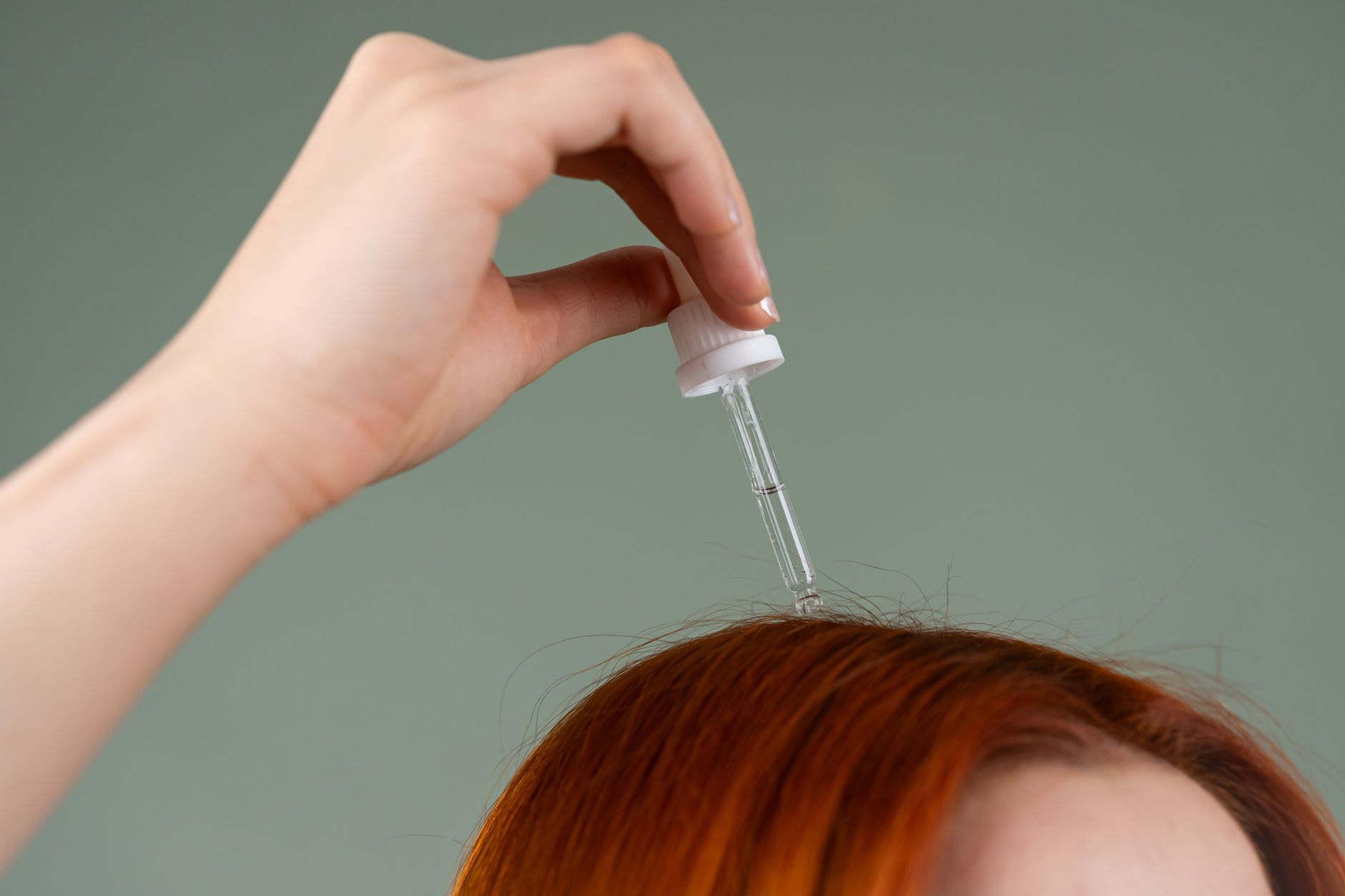
Minoxidil is a widely known topical treatment primarily used to address hair loss and promote hair regrowth. Initially developed as a medication for high blood pressure, its hair care benefits have made it a popular choice for both men and women experiencing thinning hair or baldness.
This article provides an in-depth guide on the uses of minoxidil, how it works, product options, application tips, and more, making it a comprehensive resource for anyone curious about improving hair health.
What Is Minoxidil Used For?
Minoxidil is mainly used to stimulate hair regrowth in individuals experiencing hair thinning or loss, commonly seen in conditions such as androgenetic alopecia (male or female pattern baldness). It may also be used to treat certain types of alopecia, though its effect can vary from person to person.
Understanding Minoxidil: How Does It Work?
Minoxidil is a vasodilator, which means it increases blood circulation to the hair follicles. This enhanced blood flow delivers more oxygen and nutrients to the scalp, potentially revitalizing the hair follicles and encouraging hair growth.
While the exact mechanism of how minoxidil promotes hair growth is not fully understood, studies suggest that it may prolong the anagen phase of the hair growth cycle, leading to thicker and longer hair. Additionally, it may help in preventing further hair loss.
Types of Minoxidil Products
Minoxidil is available in various formulations, making it accessible for different preferences and needs. The most common forms include:
- Topical Solution: Usually in a liquid form that can be applied directly to the scalp.
- Foam: A lightweight, airy option easily absorbed into the scalp.
- Combination Products: Some formulas include additional ingredients aimed at improving scalp health.
Liquid vs. Foam
Both liquid and foam formulations have their pros and cons. The liquid formulation is often faster to apply but can take longer to dry. The foam may be easier to apply without excess dripping and can dry more quickly. Ultimately, choosing between them depends on personal preference and lifestyle.
How to Use Minoxidil Effectively
Using minoxidil correctly is crucial for achieving the best results. Follow these steps for a proper application routine:
Step-by-Step Application Process
- Start with a Clean Scalp: Wash your hair and scalp with a gentle shampoo and ensure the scalp is completely dry before applying.
- Measure the Correct Dose: Use the recommended amount as specified on the product label, typically 1 ml for liquid and half a capful for foam.
- Application:
- For liquid, use the dropper to apply it directly to the scalp.
- For foam, dispense the foam onto your fingertips, then apply it directly to the scalp.
- Massage Gently: Using your fingertips, gently massage the minoxidil into your scalp for better absorption.
- Wash Hands: After application, wash your hands thoroughly to avoid spreading the medication to unwanted areas.
- Let it Dry: Allow the product to dry completely before using other hair products or styling.
When to Apply Minoxidil
Most users apply minoxidil twice daily, generally in the morning and evening, for optimal results. Consistency is critical for seeing improvements. Skipping applications can delay or reduce the effectiveness of the treatment.
Common Mistakes to Avoid
- Exceeding the Recommended Dose: Using more than directed will not enhance results and may increase the risk of side effects.
- Not Being Consistent: Regular application is essential; results can take several months to appear.
- Forgetting to Wash Hands: Always remember to wash your hands after application to avoid unintended contact.
Results and Expectations
It’s important to set realistic expectations when using minoxidil. Many users may begin to notice some hair regrowth after about 3 to 6 months of consistent use. However, it may take up to a year to see maximum signs of improvement.
If improvement is not seen after 12 months of regular use, it may be necessary to consult a healthcare professional to discuss alternative options.
Possible Side Effects of Minoxidil
While minoxidil is generally considered safe for most users, some may experience side effects. Common side effects include:
- Scalp irritation or itching
- Dryness or flaking of the scalp
- Unwanted facial hair growth
In rare cases, more serious side effects may occur, such as dizziness, rapid heartbeat, or swelling in the hands or feet. If any of these severe reactions happen, it is critical to seek medical advice immediately.
FAQs About Minoxidil
Can women use minoxidil?
Yes, minoxidil is safe for women; there are specific formulations designed for women’s hair loss, typically containing a lower concentration than those for men.
Is minoxidil effective for everyone?
No, the effectiveness of minoxidil can vary. While many see positive results, not everyone will respond to it. Genetics, type of hair loss, and overall health may influence outcomes.
Can I use minoxidil on other areas besides the scalp?
Minoxidil should only be applied to the scalp unless advised otherwise by a healthcare provider. Using it on other areas can result in unintended hair growth.
Complementing Minoxidil with a Healthy Hair Care Routine
In addition to using minoxidil, a well-rounded hair care routine can help enhance results and promote overall hair health. Consider incorporating the following:
- Gentle Cleansing: Choose shampoos and conditioners free from sulfates and harsh chemicals to keep your scalp and hair healthy.
- Scalp Massages: Regularly stimulating the scalp can improve blood flow, benefiting hair growth.
- Balanced Diet: Foods rich in vitamins and minerals, especially biotin, vitamin D, and omega-3 fatty acids, support healthy hair growth.
- Hydration: Keeping the body hydrated helps maintain overall hair health.
- Hair Supplements: Consult a nutritionist for advice on supplements geared toward hair health.
Product Selection: Choosing the Right Minoxidil for You
When selecting a minoxidil product, consider the following factors:
- Concentration: For men, 5% concentration is standard, while women typically start with 2%, moving to 5% if necessary.
- Formulation: Choose between liquid and foam based on personal preference.
- Brand Rigor: Look for reputable brands known for their quality and effectiveness.
- Specific Needs: Opt for combinations that might address other scalp health issues, such as dryness or inflammation.
Always read product labels carefully, and follow directions for safe use.
Knowing When to Consult a Professional
While minoxidil is a suitable option for many, it is essential to consult a healthcare professional if:
- You have pre-existing health conditions, such as cardiovascular issues.
- You are pregnant or breastfeeding.
- You are encountering severe side effects.
Scheduling an appointment with a licensed dermatologist can also help address comprehensive hair health and explore further treatment options, if necessary.
In summary, minoxidil serves as an effective treatment for many individuals facing hair loss. Understanding its uses, application, and potential side effects can help you make an informed decision on whether it’s suitable for your hair health goals.
For those interested in seeing how long it typically takes minoxidil to work, check out this detailed guide. Additionally, you can learn more about how minoxidil functions by exploring this resource here.