
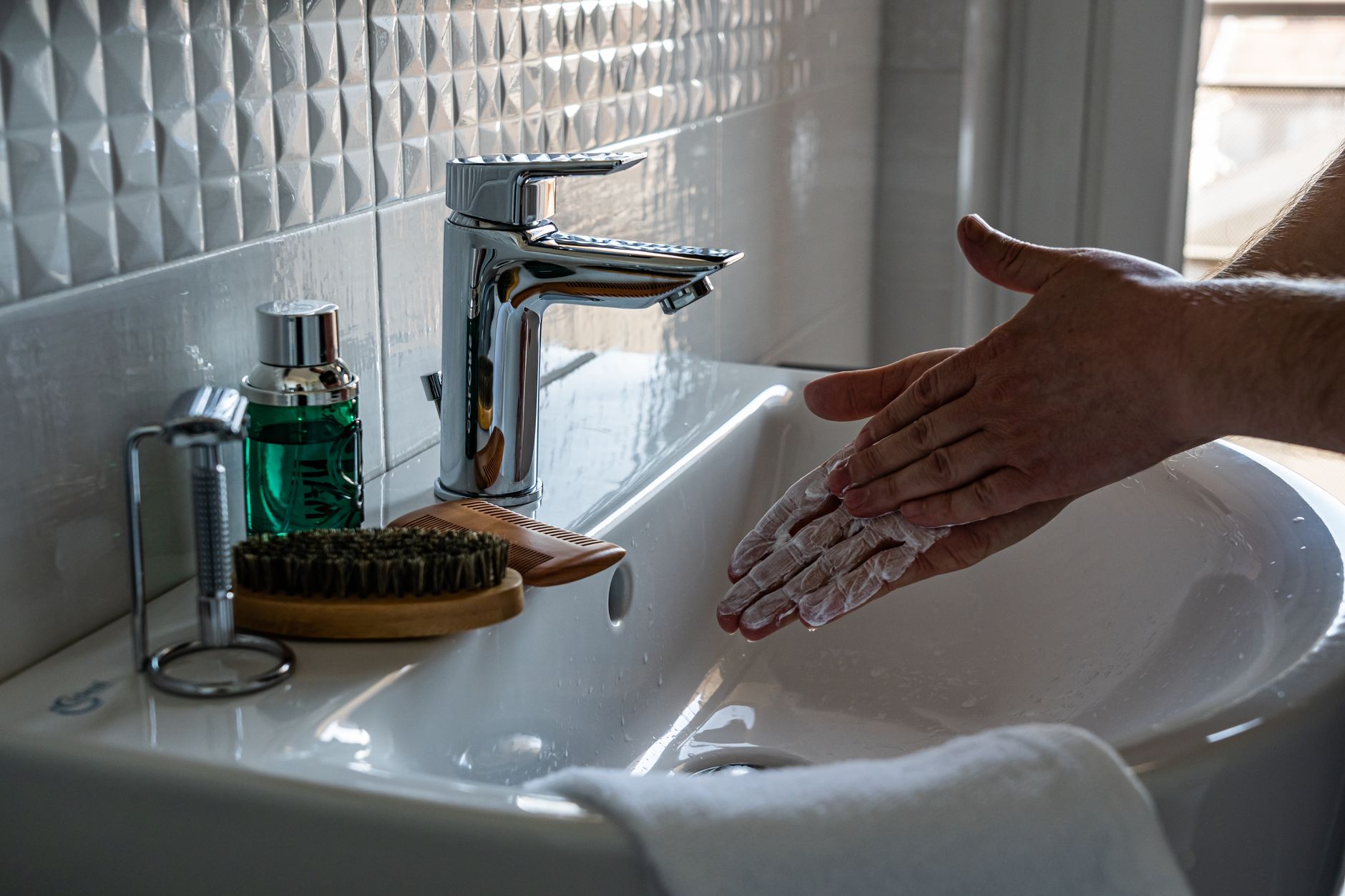
Keeping your makeup brushes clean is crucial for both achieving flawless application and maintaining good hygiene. Dirty brushes can harbor bacteria, oil, and residue from products that may cause breakouts or skin irritation. Knowing how to wash makeup brushes properly is essential for any beauty enthusiast.
This guide covers easy steps to clean your brushes effectively, tips for maintaining brush hygiene, and the types of brushes to consider when building your makeup tool collection. Let’s get started!
How to Wash Makeup Brushes?
To wash makeup brushes, start by rinsing the bristles under lukewarm water to remove excess product. Then, lather with a gentle cleanser, rinsing thoroughly. Finally, reshape the bristles and let them dry flat. Regular cleaning keeps brushes hygienic and prolongs their life.
The Importance of Cleaning Your Makeup Brushes
Many people overlook the importance of maintaining clean makeup tools. However, regularly cleaning your makeup brushes has several benefits:
- Prevents Acne and Breakouts: Brushes collect bacteria and leftover makeup that can clog pores.
- Improves Makeup Application: Clean brushes ensure even application and blending of products.
- Extends Brush Lifespan: Regular cleaning maintains the quality of the bristles and prolongs the life of your brushes.
- Reduces Allergic Reactions: Keeping brushes free from allergens and irritants minimizes skin sensitivity and reactions.
How Often Should You Clean Your Makeup Brushes?
How often you clean your brushes can depend on your usage. Here are some general guidelines:
- Foundation and Concealer Brushes: Daily or after each use.
- Blush and Bronzer Brushes: Weekly.
- Eye Brushes: Twice a month, or weekly if you use them with pigments or creams.
- Sponges: Wash after every use to prevent bacteria buildup.
Supplies You’ll Need to Wash Makeup Brushes
Before diving into the cleaning process, ensure you have the right supplies on hand:
- Gentle brush cleanser or mild soap (baby shampoo is a good option)
- Clean water (preferably lukewarm)
- A clean towel or paper towel
- A small bowl (optional for soaking)
- Alcohol (optional for deep cleaning brushes)
- Surface cleaner (optional to sanitize work area)
Steps to Wash Your Makeup Brushes
Now that you have your supplies ready, follow these simple steps to clean your brushes effectively:
- Rinse the Bristles: Hold the brush under lukewarm running water, ensuring that the bristles point downward. Avoid getting water on the ferrule (the metal part), as this can loosen the glue and damage the brush.
- Apply Cleanser: Take a small amount of your chosen cleanser and swirl the brush bristles in the palm of your hand, using gentle circular motions. This helps to lift the makeup and dirt from the bristles.
- Rinse Thoroughly: Rinse the brush head again under lukewarm water until the water runs clear, indicating that all makeup and cleanser have been removed. Repeat the cleansing process if necessary.
- Reshape the Bristles: After rinsing, gently squeeze the bristles to remove excess water and reshape them to their original form. Be careful not to pull on the bristles.
- Dry the Brushes: Lay the brushes flat on a clean towel or paper towel, allowing them to dry completely. Avoid drying them upright in a holder, as this can cause water to seep into the ferrule and loosen the glue.
Tips for Maintaining Brush Hygiene
In addition to regular cleaning, there are several tips to keep your brushes in top condition:
- Use Anti-Bacterial Spray: After each use, spray brushes with an antibacterial spray to help reduce the buildup of bacteria.
- Store Properly: Keep your brushes in a clean, dry place. Avoid storing them in a damp environment to prevent mildew or mold growth.
- Avoid Sharing Brushes: Sharing brushes can spread bacteria and allergens. It’s best to keep your tools for personal use.
- Inspect Regularly: Frequently check your brushes for signs of wear or damaged bristles. Replace them if they show signs of fraying or breakage.
Dealing with Stubborn Makeup Residue
Sometimes, heavy makeup products like waterproof mascaras or gel eyeliners can leave residue that’s tough to remove. Here are a few methods for tackling stubborn makeup:
- Soaking: Fill a bowl with lukewarm water and add a few drops of gentle cleanser. Soak the brushes for a few minutes before rinsing.
- Olive Oil and Dish Soap Mixture: Mix a tablespoon of olive oil with a tablespoon of mild dish soap. Swirl the brush bristles in this mixture to break down stubborn makeup oils before cleaning as usual.
- Alcohol Soak: For a deep clean, soak bristles in rubbing alcohol for a few seconds. Rinse and follow with cleanser.
Special Considerations for Different Brush Types
Each type of brush may require slightly different care based on its materials and intended use. Here are a few considerations:
Synthetic vs. Natural Hair Brushes
Synthetic brushes are typically easier to clean than those made from natural hairs. While synthetic fibers can handle many cleaning solutions, natural hair brushes require a gentler touch to maintain their form and structure.
Eyeshadow Brushes
These brushes often collect heavy pigments. It’s important to ensure they are cleaned thoroughly to maintain their effectiveness and preserve color integrity.
Foundation Brushes
Foundation brushes can trap product deep within the bristles. Be diligent in your cleaning efforts to ensure they are thoroughly rinsed and cleaned.
Common Mistakes to Avoid When Washing Makeup Brushes
Cleaning makeup brushes can seem straightforward, but some common pitfalls can reduce their effectiveness:
- Using Hot Water: Hot water can damage the bristles and deform the shape of your brushes. Always opt for lukewarm water.
- Skipping the Rinse: Make sure to rinse until water runs clear. Residue from soap or makeup can compromise your next application.
- Not Reshaping: Reshaping bristles is essential for maintaining the brush’s form. Neglecting this step can lead to uneven application.
- Using Harsh Chemicals: Strong chemicals can degrade bristles. Stick to mild soaps and cleansers designed for brushes.
How to Clean Makeup Sponges
Just like brushes, makeup sponges require regular cleaning. Here’s a quick guide on how to wash makeup sponges effectively:
- Wet the Sponge: Run your sponge under lukewarm water until it is completely saturated.
- Apply Cleanser: Use your preferred gentle cleanser; liquid soap or a specially formulated sponge cleaner works well. Lather and gently squeeze the sponge.
- Rinse: Rinse thoroughly until the water runs clear. Ensure that all excess product is removed from inside the sponge.
- Dry: Allow to air dry completely before use.
Signs That It’s Time to Replace Your Brushes
Even with regular cleaning, brushes have a finite lifespan. Here are signs it might be time to replace a brush:
- Shed Bristles: If your brush sheds continuously, it may be time to retire it.
- Deformed Shape: If a brush no longer holds its shape or has frayed bristles, replace it.
- Persistent Odors: An unusual smell that doesn’t go away even after cleaning can indicate it’s time for a new brush.
Building a Quality Brush Collection
When selecting brushes, consider these types to create a versatile collection:
- Foundation Brush: For applying liquid or cream foundations.
- Concealer Brush: Ideal for targeting specific blemishes and imperfections.
- Blush Brush: Soft bristles are perfect for applying blush evenly.
- Eyeshadow Brushes: Include various shapes, such as flat and blending brushes.
- Lip Brush: Essential for precise lip application.
Conclusion
Learning how to wash your makeup brushes effectively is a simple yet essential part of any beauty routine. With clean brushes, you can achieve better makeup application and healthier skin. Be sure to follow the steps outlined in this guide and adhere to regular cleaning schedules for optimal results.
Next time you refresh your beauty tools, remember to check out guides on how to clean makeup brushes and also how to clean makeup sponges to ensure all your applicators are in prime condition.