
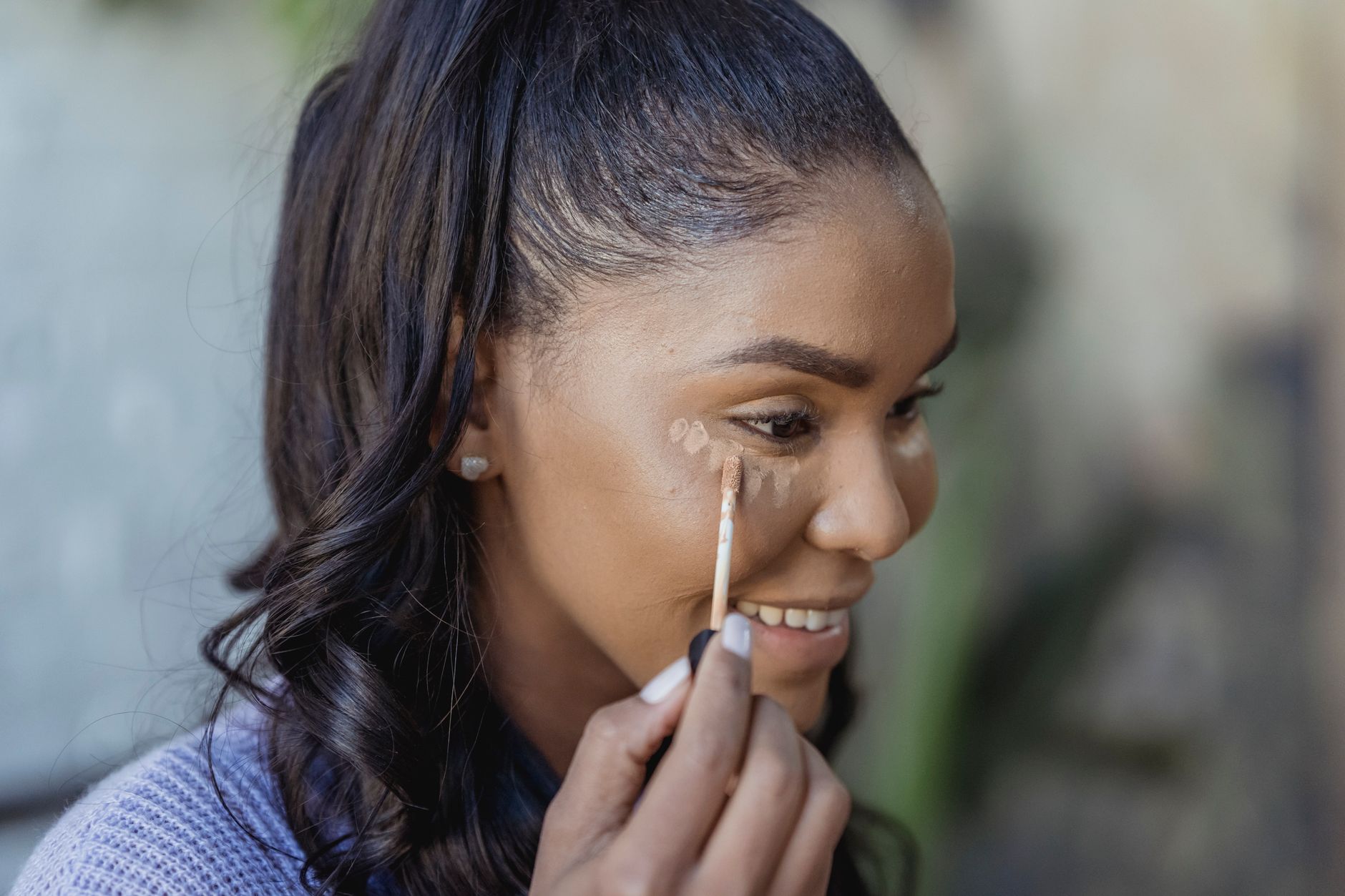
Understanding where to apply concealer is essential for achieving a flawless makeup look. Concealer works wonders in covering imperfections, brightening the eye area, and evening out skin tone when used correctly. Whether you struggle with dark circles, blemishes, or redness, knowing proper placement can elevate your makeup game.
This guide will walk you through the areas to apply concealer, tips for under-eye makeup, and how to select the right type for your needs. With the right approach, you can enhance your natural beauty and achieve that coveted radiant look.
Where to Apply Concealer?
Concealer should be applied primarily in areas where you want to neutralize discolorations and highlight your features. The most common placement areas include:
- Under the Eyes: To combat dark circles and puffiness.
- On Blemishes: To cover acne scars or spots.
- On Redness: To neutralize a red nose or cheeks.
- On Hyperpigmentation: To even out skin tone.
- On the Lips: To enhance lip shape and clarity.
Understanding Concealer Types
Before diving into application techniques, it helps to understand the different types of concealers available. Each serves a specific purpose and works well for various skin types and concerns.
- Liquid Concealers: Versatile and easy to blend, ideal for most skin types.
- Cream Concealers: Provides full coverage, perfect for covering blemishes and scars.
- Stick Concealers: Portable option for on-the-go touch-ups; great for spot concealing.
- Mineral Concealers: Lightweight and suitable for sensitive skin; offers sheer coverage.
- Color-Correcting Concealers: Specifically colored to neutralize various skin tones; for example, green for redness.
Preparation for Concealer Application
Proper preparation can significantly affect the results of your concealer application. Follow these steps to get ready:
- Cleanse: Start with a clean, fresh face to ensure that makeup adheres better.
- Moisturize: Apply a suitable moisturizer to hydrate your skin and allow for smoother application.
- Prime: Use an eye primer or face primer to create a smooth canvas. Primers help concealers last longer.
Steps for Applying Concealer Effectively
Now that you are ready, let’s go through a systematic approach for applying concealer. We’ll cover specific areas where concealer should be applied and the techniques for each.
1. Under-Eye Area
Applying concealer under the eyes can help brighten your face and cover dark circles. To achieve the best effect:
- Choose a shade that is one or two tones lighter than your foundation for a brightening effect.
- Use a small applicator brush or your fingertip to apply the concealer. A damp makeup sponge can also work well for blending.
- Dot the concealer in a triangular shape extending from the inner corner of the eye to the outer corner. The base of the triangle should sit along your lower lash line.
- Gently tap and blend the edges, ensuring that the concealer seamlessly integrates with your skin.
2. Blemishes and Redness
If you’re dealing with blemishes or areas of redness, follow these steps:
- Select a concealer that closely matches your skin tone. This will help the blemish blend in rather than stand out.
- Use a small brush or a clean fingertip to apply the concealer directly onto the blemish.
- Gently tap to blend the edges, and avoid rubbing as it may irritate the skin.
3. Discoloration and Hyperpigmentation
For uneven skin tones and hyperpigmentation, keep these tips in mind:
- Choose a concealer that matches your foundation shade or use a color corrector that neutralizes the specific discoloration.
- Use a thin layer of concealer and apply it directly onto the area in need of coverage.
- Blend with a light tapping motion to avoid disturbing the underlying skin.
4. Lip Area
For a polished lip appearance, concealing the edges can enhance definition:
- Use a small amount of concealer that matches your foundation or is slightly lighter.
- Outline the edges of your lips with a small brush, focusing on defining the cupid’s bow and corners.
- Blend the edges carefully to create a smooth transition to your skin.
Tips for Under-Eye Makeup
The under-eye area is particularly delicate, so special care should be taken to avoid settling and creasing. Here are some helpful tips:
- Hydrate: Ensure your under-eye area is well-moisturized before applying concealer.
- Use Less Product: Less is more; a small amount of concealer is usually sufficient for coverage.
- Set with Powder: A light dusting of setting powder can prevent creasing. Use a fine-milled powder and a small brush to apply it gently.
- Avoid Heavy Creams: Avoid using heavy eye creams before makeup, as this can increase the likelihood of creasing.
- Choose a Long-Wear Formula: Opt for concealers designed to be long-wearing and resistant to sweat.
Common Mistakes to Avoid
Even makeup enthusiasts can make occasional mistakes when applying concealer. Keep the following pitfalls in mind:
- Using the Wrong Shade: Choosing a shade that is too light can draw attention to imperfections rather than concealing them.
- Applying Too Much Product: Less product will blend better and prevent a cakey appearance.
- Neglecting to Set: Failing to set your concealer can lead to it settling into fine lines.
- Using the Wrong Tools: Using your fingers, sponges, or brushes specifically for concealer application leads to better results compared to less appropriate tools.
- Forgetting to Blend: Always ensure that your concealer blends seamlessly into the skin; harsh lines indicate a need for further blending.
Choosing the Right Concealer for Your Skin Type
Every individual’s skin is unique. Selecting the right concealer based on your skin type is crucial for effective coverage:
- Dry Skin: Opt for hydrating liquid or cream concealers that provide moisture.
- Oily Skin: Choose matte-finish concealers that are long-lasting and won’t slide off the skin throughout the day.
- Combination Skin: A versatile liquid concealer may be most appropriate as it can be used for both dry and oily areas.
- Sensitive Skin: Seek out mineral or hypoallergenic concealers to avoid irritation.
- Acne-Prone Skin: Look for non-comedogenic formulas that won’t clog pores.
Removing Concealer
Proper removal of concealer is important to maintain skin health. Follow these steps:
- Use a Gentle Makeup Remover: Micellar water or oil-based removers are effective for breaking down makeup.
- Apply with Cotton Pads: Soak a cotton pad in the remover and gently press it against the concealer area.
- Be Gentle: Avoid rubbing harshly; allow the product to dissolve for easy removal.
- Cleanse: Follow up with your regular face cleanser to ensure all traces of makeup are removed.
Final Thoughts
Applying concealer effectively is all about understanding the right techniques and products for your skin type and concerns. With proper application, you will feel more confident in your makeup and skin appearance. Remember to choose the right products, prepare your skin, and take your time to blend for a seamless finish.
If you’re eager to further enhance your makeup skills, consider exploring the following guides on how to apply concealer and contouring techniques. Each will add to your beauty expertise and help you achieve that perfect look.
Learn more about how to apply concealer and discover how to contour for additional makeup tips!