
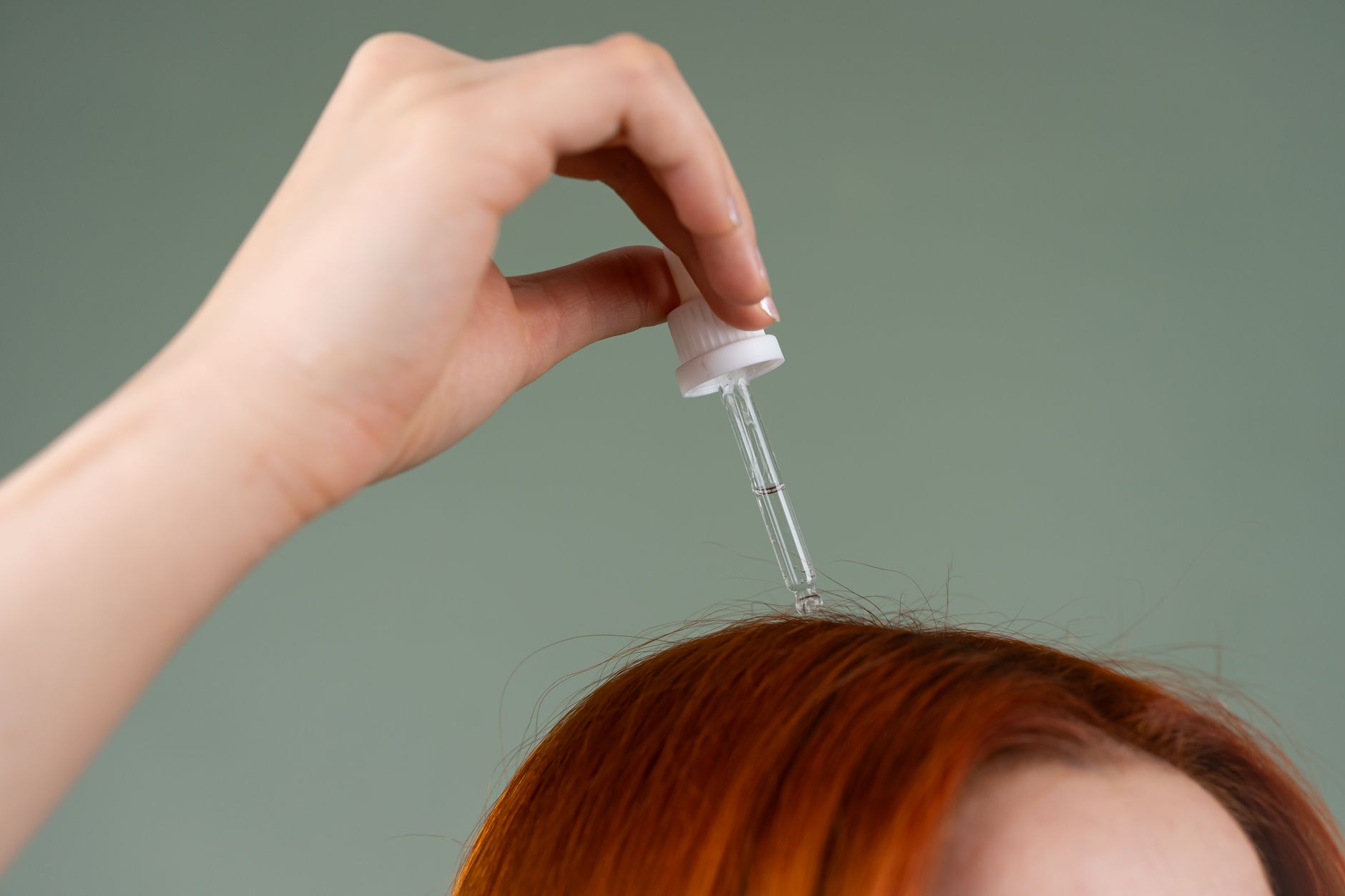
Collagen has become a buzzword in the beauty industry, often associated with skin health, anti-aging products, and even hair care. But what exactly is collagen, and is it good for your hair? In this guide, we will explore collagen’s role in hair health, its potential benefits, associated risks, and viable alternatives.
Understanding the relationship between collagen and hair can help you make informed decisions when seeking to improve the strength and overall appearance of your locks. Let’s delve deeper into whether collagen is a beneficial addition to your hair care regimen.
Is Collagen Good for Hair?
Yes, collagen can be good for hair, as it may improve hair strength and overall health. Collagen helps support the hair structure and can enhance hair elasticity, potentially reducing breakage. However, individual results can vary, and it’s important to consider other factors that contribute to hair health.
What is Collagen?
Collagen is a protein that plays a critical role in maintaining the structure of various body parts, including skin, bones, tendons, and hair. It’s the most abundant protein in our bodies, contributing to skin elasticity and moisture retention. In hair, collagen can help maintain strength and prevent damage, making it an important component for many seeking to enhance their hair health.
The Role of Collagen in Hair
Collagen fibers create a sort of scaffolding around hair follicles, providing structural support. This support is essential for maintaining healthy hair growth and preventing signs of damage such as thinning or brittleness. Collagen also contributes to overall scalp health by ensuring that the follicles receive the necessary nutrients and hydration.
Benefits of Collagen for Hair
- Improves Hair Strength: Collagen can help fortify the hair shaft, resulting in stronger strands that are less prone to breakage.
- Enhances Elasticity: By supporting the hair structure, collagen improves elasticity, making hair more flexible and less susceptible to damage.
- Reduces Hair Damage: Collagen may help protect hair from environmental stressors, such as pollution and UV rays, that can weaken it over time.
- Supports Healthy Growth: A healthy scalp environment supported by collagen may facilitate better hair growth cycles.
- Hydration Maintenance: Collagen boosts moisture retention, keeping hair hydrated and luminous.
How to Incorporate Collagen in Your Hair Care Routine
To reap the benefits of collagen, consider the following methods for incorporating it into your hair care routine:
1. Collagen Supplements
One of the most common methods of getting collagen is through supplements, which come in various forms such as powders, capsules, and liquids. These can be taken daily and may support hair health from within.
2. Hair Care Products with Collagen
Look for shampoos, conditioners, or hair masks that contain hydrolyzed collagen. These topical products can provide direct benefits to your hair while also improving its texture and appearance.
3. Nutrient-Rich Diet
A diet that includes collagen-boosting foods can support your body’s natural collagen production. Consider incorporating food rich in vitamin C, zinc, and protein, such as:
- Bone broth
- Fish
- Nuts and seeds
- Leafy greens
- Citrus fruits
4. DIY Hair Masks
Creating your own hair masks using collagen or collagen-rich ingredients can also be beneficial. For example, you can mix collagen powder with coconut oil and apply it to your hair as a mask to enhance moisture.
Are There Any Risks Associated with Collagen?
While collagen is generally considered safe for most people, there are some possible risks and considerations:
1. Allergic Reactions
Some individuals may be allergic to the sources of collagen, especially those derived from fish or shellfish. Always do a patch test if you’re trying a new topical product containing collagen.
2. Dietary Restrictions
Individuals following a vegan or vegetarian lifestyle may want to avoid animal-sourced collagen. Fortunately, there are plant-based alternatives available, such as fermented proteins.
3. Digestive Issues
Some people experience slight digestive discomfort when taking collagen supplements. If you notice bloating or other symptoms, it may be wise to adjust your dosage or consult a healthcare professional.
4. Efficacy Variability
Not everyone will experience the same benefits from collagen supplementation or topical applications. The effectiveness can depend on individual hair types, current hair health, and how the body absorbs the collagen.
Collagen Alternatives for Hair Health
If you’re seeking alternatives to collagen for hair health, several other ingredients can provide similar benefits:
1. Keratin
Keratin is another protein that is a key component of hair. Using hair products that contain keratin can help reinforce the hair structure and reduce damage.
2. Biotin
Biotin, or vitamin H, is essential for healthy hair growth. It’s commonly found in supplements and hair care products and can promote thicker, stronger hair.
Learn more about the benefits of Biotin for hair.
3. Minoxidil
Minoxidil is a topical treatment that is FDA-approved for hair loss. It increases blood flow to hair follicles, which can promote hair regrowth and thickness.
4. Herbal Extracts
Natural ingredients such as saw palmetto, ginseng, and rosemary oil can stimulate hair growth and improve scalp health. Consider incorporating these into your hair-care routine for added benefits.
5. Essential Fatty Acids
Omega-3 and omega-6 fatty acids are crucial for maintaining scalp health and can also enhance hair shine and strength. Incorporate foods rich in fatty acids, such as fish, flaxseed, and walnuts.
Realistic Expectations with Collagen and Hair Health
When incorporating collagen into your hair care routine, it’s essential to set realistic expectations. While many people may experience improved hair strength and appearance, individual results can vary based on genetics, overall diet, and hair care practices.
Some may notice changes in hair texture or volume within a few weeks, while others may require more extended periods of consistent use to see results. Patience is key when trying new beauty ingredients.
Common Mistakes to Avoid
- Overusing Products: Moderation is crucial. Using too many collagen-infused products can lead to buildup on the hair, potentially causing it to look greasy or weighed down.
- Neglecting Scalp Care: Healthy hair starts with a healthy scalp. Always prioritize scalp care in your routine by cleansing and moisturizing regularly.
- Ignoring a Balanced Diet: Relying solely on products without maintaining a nutrient-rich diet may limit your results.
- Expecting Immediate Results: Hair growth and repair take time, and it’s vital to stick with a routine consistently to see changes.
Hair Care Routine Incorporating Collagen
Here’s an example of a basic hair care routine that incorporates collagen effectively:
- Daily Vitamin Intake: Consider starting your day with a collagen supplement, following the recommended dosage.
- Gentle Cleansing: Use a collagen-infused shampoo to cleanse away impurities without stripping hair of natural moisture.
- Conditioning: After cleansing, apply a collagen-based conditioner and leave it on for a few minutes before rinsing thoroughly.
- Weekly Treatments: Once a week, use a deep conditioning mask that contains collagen to provide extra moisture and strength.
- Dietary Enhancements: Ensure your meals include collagen-rich foods and nutrients essential for hair health.
- Scalp Care: Don’t forget to nourish the scalp by massaging in oils or topical treatments that promote blood flow.
Conclusion
Collagen can provide multiple benefits for hair health, strengthening and improving its appearance over time. To maximize results, consider combining collagen intake with other hair-nurturing ingredients and maintaining a balanced diet. Remember that individual results can vary, so be patient and consistent in your approach.
Explore related beauty guides and tutorials to broaden your beauty knowledge, such as our insights on collagen supplements and a detailed look at biotin’s benefits for hair.