
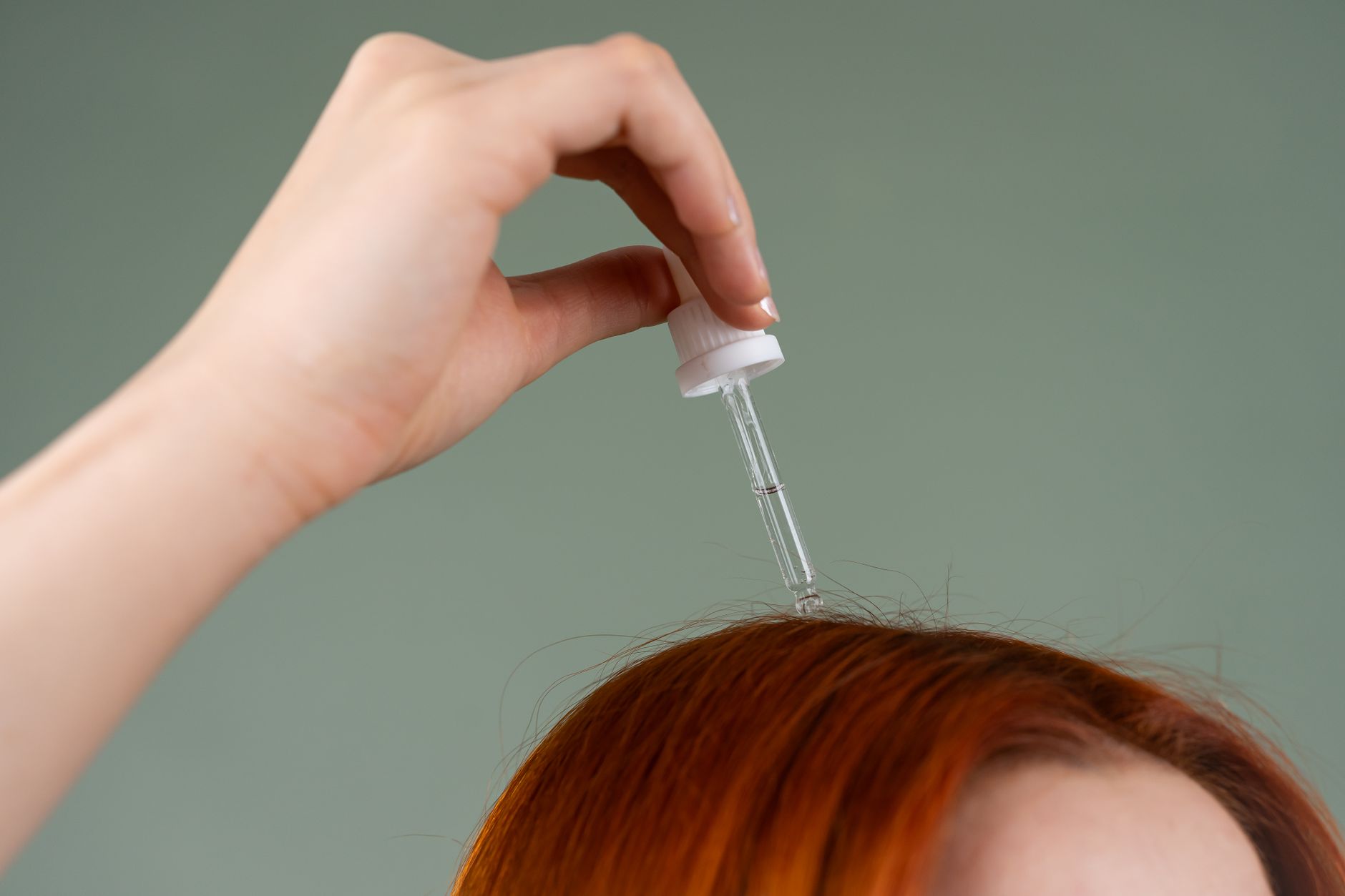
Are you curious about biotin and its benefits for hair? Often hailed as a miracle nutrient, biotin is a B-vitamin that plays a crucial role in maintaining healthy hair and nails. This article will explore what biotin does for hair, how it works, and what you can realistically expect from it.
From specific benefits to practical applications, we’ll break down everything you need to know about incorporating biotin into your hair care routine. So, let’s get into the nitty-gritty of this popular beauty ingredient.
What Does Biotin Do for Hair?
Biotin, also known as vitamin H or B7, is involved in the production of keratin, a protein that makes up the structure of hair. It helps improve hair thickness, shine, and overall health by providing the essential nutrients required for follicle function and growth. Biotin supports the metabolism of fatty acids, amino acids, and glucose, contributing to proper cell signaling.
This B-vitamin has gained substantial attention for its purported ability to enhance hair growth and combat hair loss. While it does play a role in strengthening hair, results can vary depending on individual factors such as diet, genetics, and existing hair conditions.
The Benefits of Biotin for Hair
Biotin’s benefits can be attributed to its function in cellular metabolism and its role in keratin production. Here’s a closer look at the myriad of advantages it offers for your hair:
- Strengthens Hair: Biotin contributes to the structure of hair by strengthening its fibers, resulting in reduced breakage.
- Improves Shine: Biotin can enhance the appearance of hair by making it shinier and healthier.
- Supports Growth: Adequate biotin levels are essential for optimal cell growth, potentially accelerating hair growth.
- Reduces Hair Loss: By promoting healthy hair follicles, biotin may help decrease hair shedding and loss.
- Enhances Scalp Health: Biotin can also contribute to a healthier scalp environment, minimizing issues such as dryness and irritation.
How to Use Biotin for Hair Health
There are various ways to incorporate biotin into your hair care routine. Here are some options to consider:
Dietary Sources of Biotin
One of the most effective ways to ensure adequate biotin levels is through a balanced diet. Foods rich in biotin include:
- Eggs
- Nuts (especially almonds and walnuts)
- Seeds (like sunflower seeds)
- Legumes (such as beans and lentils)
- Whole grains (like oats and wheat)
- Leafy greens (spinach and kale)
- Dairy products (milk, cheese, and yogurt)
Incorporating these foods into your meals can help ensure you meet your daily biotin needs naturally.
Biotin Supplements
If you suspect your diet is lacking or you’re seeking to increase your intake quickly, biotin supplements are available in multiple forms, such as:
- Tablets and capsules
- Soft gels
- Liquid drops
- Gummies
Before starting any supplement, it’s a good idea to consult with a healthcare provider to determine the appropriate dosage based on individual needs.
Hair Care Products with Biotin
Many hair care brands incorporate biotin into their formulations, such as shampoos, conditioners, and hair masks. When selecting hair products with biotin:
- Look for the ingredient listed in the top half of the ingredient list for higher concentrations.
- Choose products tailored to your hair type (oily, dry, curly, etc.) for better results.
- Consider pairing biotin-rich products with other beneficial ingredients like keratin, collagen, and natural oils.
Understanding the Results of Biotin on Hair
While many people turn to biotin hoping for miraculous hair benefits, it’s essential to set realistic expectations. Biotin works best when combined with a healthy diet and proper hair care routine. The timeline for visible results can vary:
- Immediate Effects: Some users may notice shinier, smoother hair shortly after using biotin shampoos or conditioners.
- Short-term Results: Hair strength and thickness may begin to improve within a few weeks of consistent biotin use.
- Long-term Growth: Significant changes in hair growth can typically be observed after several months of dedicated use.
It’s crucial to remember that individual lifestyles, genetics, and pre-existing conditions play a significant role in the overall effectiveness of biotin for hair health.
Common Mistakes When Using Biotin
Here are some common pitfalls to avoid when incorporating biotin into your hair care regimen:
- Overdoing It: More biotin doesn’t necessarily yield better results. Stick to recommended doses to avoid potential side effects.
- Neglecting Other Nutrients: Focus on a well-rounded diet—biotin alone won’t solve all hair issues. Ensure you’re getting a mix of vitamins and minerals like zinc, iron, vitamin D, and omega-3 fatty acids.
- Ignoring Hair Care Practices: Using biotin-rich products will not compensate for poor hair care habits. Regular trims, gentle washing, and minimizing heat damage are essential.
Signs of Biotin Deficiency
While biotin deficiency is relatively rare, knowing the signs can help you identify if you might need more of this vitamin:
- Hair thinning or loss
- Dry, brittle hair
- Dermatitis or rashes
- Fatigue or muscle pain
If you notice any of these symptoms, it’s wise to consult a healthcare provider for guidance and potential testing.
Considerations for Different Hair Types
Biotin can be beneficial for all hair types, but its efficacy can depend on specific characteristics such as texture, density, and porosity. Here’s how to tailor your approach:
Straight Hair
Straight hair often shows oil buildup, so using a lightweight biotin shampoo and conditioner can help maintain balance without weighing the hair down.
Wavy Hair
Wavy hair may benefit from biotin-infused leave-in conditioners that provide moisture and definition while enhancing shine and texture.
Curl Hair
Curl pattern may require more moisture. Opt for rich, hydrating products that include biotin and are designed for curly hair.
Textured and Coily Hair
For those with textured or coily hair, focus on using moisturizers with biotin to help hydrate and reduce breakage.
Expert Tips for Maximizing Biotin’s Benefits
To get the most from biotin in your hair care routine, consider these expert tips:
- Stay Hydrated: Drink plenty of water to support overall hair health.
- Avoid Stress: High stress can contribute to hair loss. Practice stress relief techniques such as yoga or meditation.
- Protect Hair from Damage: Limit heat styling and seek protective styles to minimize damage.
- Consider Regular Scalp Massages: These can stimulate blood flow to the scalp and enhance absorption of nutrients.
When to Consult a Professional
If you continue to struggle with hair loss or damage despite incorporating biotin and improving your hair care routine, it may be worthwhile to consult a dermatologist or trichologist. They can provide tailored advice and check for any underlying conditions affecting hair health.
Final Thoughts on Biotin for Hair
Biotin is a valuable addition to any hair care regimen, supporting overall hair health and vitality. However, it should be part of a broader approach, including a balanced diet and proper hair care practices. With a little patience and commitment, you may find that biotin becomes a trusted ally in your journey to healthier hair.
If you’re interested in learning more about how biotin can assist in hair growth, consider checking out our article on Does Biotin Help Hair Growth? for further insights. Also, our guide on Is Biotin Good for You? may answer some of your lingering questions about the overall benefits of biotin.