
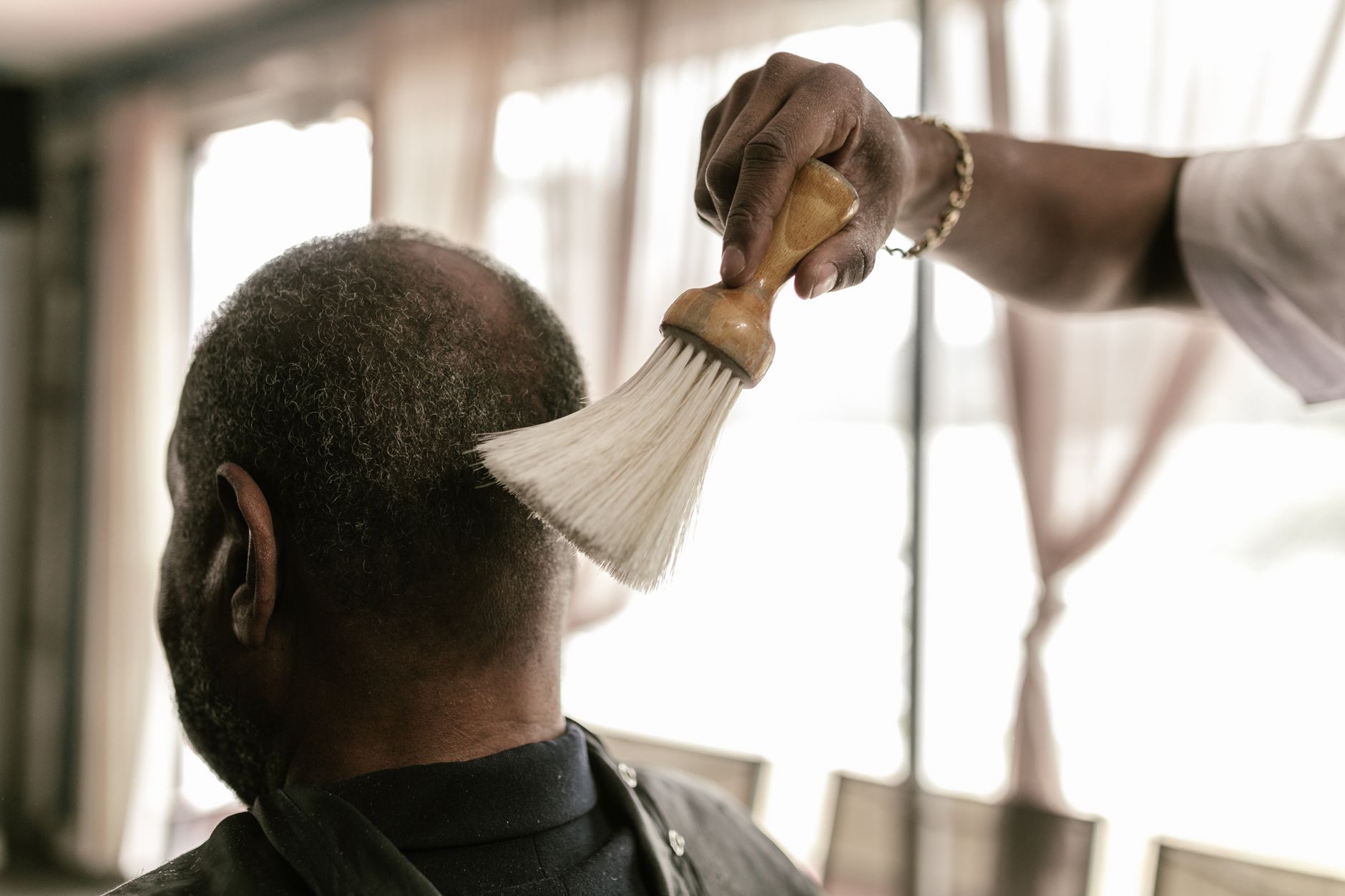
Many people associate dandruff with having hair, but it’s a misconception that bald individuals are immune to this common scalp issue. Understanding whether bald people get dandruff requires a closer look at scalp care, the underlying causes, and how to remedy the condition. This article explores the relationship between baldness and dandruff, offering tips and remedies for maintaining a healthy scalp.
While the absence of hair may lessen the visibility of flakes, it does not eliminate the potential for dandruff on a bald scalp. In fact, maintaining scalp health is crucial for everyone, regardless of hair presence. Let’s delve deeper into this often-overlooked topic.
Do Bald People Get Dandruff?
Yes, bald people can get dandruff. The scalp produces skin cells just like any other part of the body, and these cells can become dry, irritated, or unbalanced, leading to flaking and dandruff. Factors such as skin type, environmental conditions, and overall scalp care play significant roles in the occurrence of dandruff.
Understanding Dandruff
Dandruff is characterized by flakes of skin that appear on the scalp and can sometimes fall onto clothing. The condition can manifest as minor flakes or can be associated with irritation and itching, depending on its severity. It is a common and often harmless condition that can affect anyone, including those with little or no hair.
Causes of Dandruff
Several factors can contribute to dandruff, including:
- Dry Skin: A lack of moisture can lead to dry flakes, which are often more prominent on bald scalps.
- Oily Skin: Excess oil can cause skin cells to clump together, leading to the development of dandruff.
- Fungal Growth: Malassezia, a fungus that thrives on the scalp, can lead to dandruff when it overgrows.
- Irritated Skin: Reactions to hairstyling products, soaps, or shampoos can irritate the scalp and contribute to flaking.
- Skin Conditions: Conditions such as eczema or psoriasis can cause severe flaking and irritation.
- Dietary Factors: Nutritional deficiencies, particularly a lack of zinc or B vitamins, may also lead to scalp issues.
Scalp Care for Bald Individuals
Effective scalp care is essential for preventing and managing dandruff, especially for those who are bald. Follow these steps for a healthy scalp:
1. Regular Cleansing
Even without hair, the scalp can accumulate dirt, sweat, and oils. Regular cleansing helps maintain balance.
- Use a gentle shampoo formulated for the scalp.
- Shampoo 1 to 3 times a week, depending on your lifestyle and scalp oiliness.
- Massage the scalp while washing to increase circulation and remove dead skin.
2. Conditioning
A good conditioner can hydrate the scalp, preventing dryness. Opt for a light conditioner that can be used on a bald scalp.
- Apply conditioner directly to the scalp after shampooing.
- Leave it on for a few minutes, then rinse thoroughly.
3. Exfoliation
Exfoliating the scalp can help remove dead skin cells. Consider using a gentle scrub designed for the scalp or a scalp brush on occasion to promote health.
- Choose a facial scrub or a specialized scalp scrub containing fine particles.
- Massage the scrub into the scalp for 1-2 minutes before rinsing off.
4. Moisturizing
Keeping the scalp well-moisturized reduces dryness and flaking. Look for moisturizing oils or lotions.
- Apply light oils like jojoba or coconut oil directly to the scalp 1-2 times a week.
- Use an unscented moisturizer if you prefer lotion.
5. Sun Protection
The scalp is particularly susceptible to sun damage when there is no hair to provide coverage. Use the following precautions:
- Wear a hat or cap when outdoors for extended periods.
- Use a sunscreen spray or lotion specifically formulated for the scalp.
Common Mistakes to Avoid
Managing scalp care effectively requires attention and awareness. Here are a few common mistakes to avoid:
- Over-washing: Excessive washing can strip natural oils, leading to increased dryness.
- Ignoring irritation: If your scalp becomes red or sensitive after using specific products, discontinue use.
- Using harsh products: Avoid products with alcohol or strong fragrances that can irritate the skin.
- Neglecting diet: A poor diet can worsen scalp conditions. Incorporate foods rich in vitamins and minerals.
When to Seek Professional Help
If you notice persistent dandruff, irritation, or any changes to your scalp that do not improve with basic care, it may be wise to consult a dermatologist or a scalp specialist. Look for these signs:
- Severe or persistent itching
- Red or swollen patches on the scalp
- Flakes that are yellowish or greasy
- Discomfort or pain on the scalp
Remedies for Dandruff on Bald Scalps
A variety of treatments can help combat dandruff, ranging from over-the-counter products to natural remedies. Consider these options for managing dandruff:
1. Over-the-Counter Treatments
There are numerous dandruff shampoos and treatments available that can help combat the condition. Look for ingredients such as:
- Pyrithione Zinc: Helps reduce fungus and is effective against dandruff.
- Selenium Sulfide: Slows down cell turnover and reduces flaking.
- Coal Tar: Slows the production of skin cells on the scalp, thus minimizing flakes.
- Ketoconazole: A potent antifungal that helps combat yeast overgrowth.
2. Natural Remedies
For those who prefer natural approaches, several home remedies may help alleviate dandruff symptoms:
- Aloe Vera: Known for its soothing properties; it can help reduce irritation.
- Apple Cider Vinegar: Helps balance the scalp’s pH and may reduce flakes.
- Tea Tree Oil: Possessing antifungal properties, it may control dandruff when diluted with a carrier oil.
- Oatmeal Masks: Oatmeal can soothe itching and remove flakes. Use it as a paste mixed with water.
3. Dietary Considerations
What you eat can affect your scalp’s health. Consider adding the following to your diet:
- Omega-3 Fatty Acids: Found in fish and nuts, they nourish skin and support scalp health.
- Zinc and B Vitamins: Vital for healthy skin; you can find them in whole grains and leafy greens.
- Probiotics: Foods like yogurt may improve skin health by supporting gut health.
Building a Scalp Care Routine
Creating a tailored scalp care routine can make a significant difference in managing dandruff. Follow these steps to establish an effective regimen:
Morning Routine
- Cleanse the scalp with a gentle shampoo; ideally, every few days.
- Apply a lightweight moisturizer or oil to keep the scalp hydrated.
- Use sunscreen or a protective hat if you will be outdoors.
Evening Routine
- Massage the scalp with a nourishing oil (optional).
- Ensure the scalp is clean before sleep to prevent build-up.
Realistic Expectations
Understanding and managing dandruff can take time. Here are some realistic expectations:
- Results may not be immediate; it can take a few weeks to see noticeable changes.
- Some treatments may require ongoing use for effective control.
- Regular maintenance and consistency are key to healthier scalp behavior.
In summary, bald individuals can indeed experience dandruff, and addressing the condition involves a combination of proper scalp hygiene, moisturizing, and appropriate product selection. By establishing a comprehensive scalp care routine, you can effectively manage dandruff and enjoy a healthy scalp without hair. Whether you are dealing with occasional flakes or persistent dandruff, these tips can help keep your scalp balanced and flake-free.
Next, explore our guides on how to get rid of dandruff and how to moisturize your scalp for additional insights and practical tips for maintaining scalp health.