
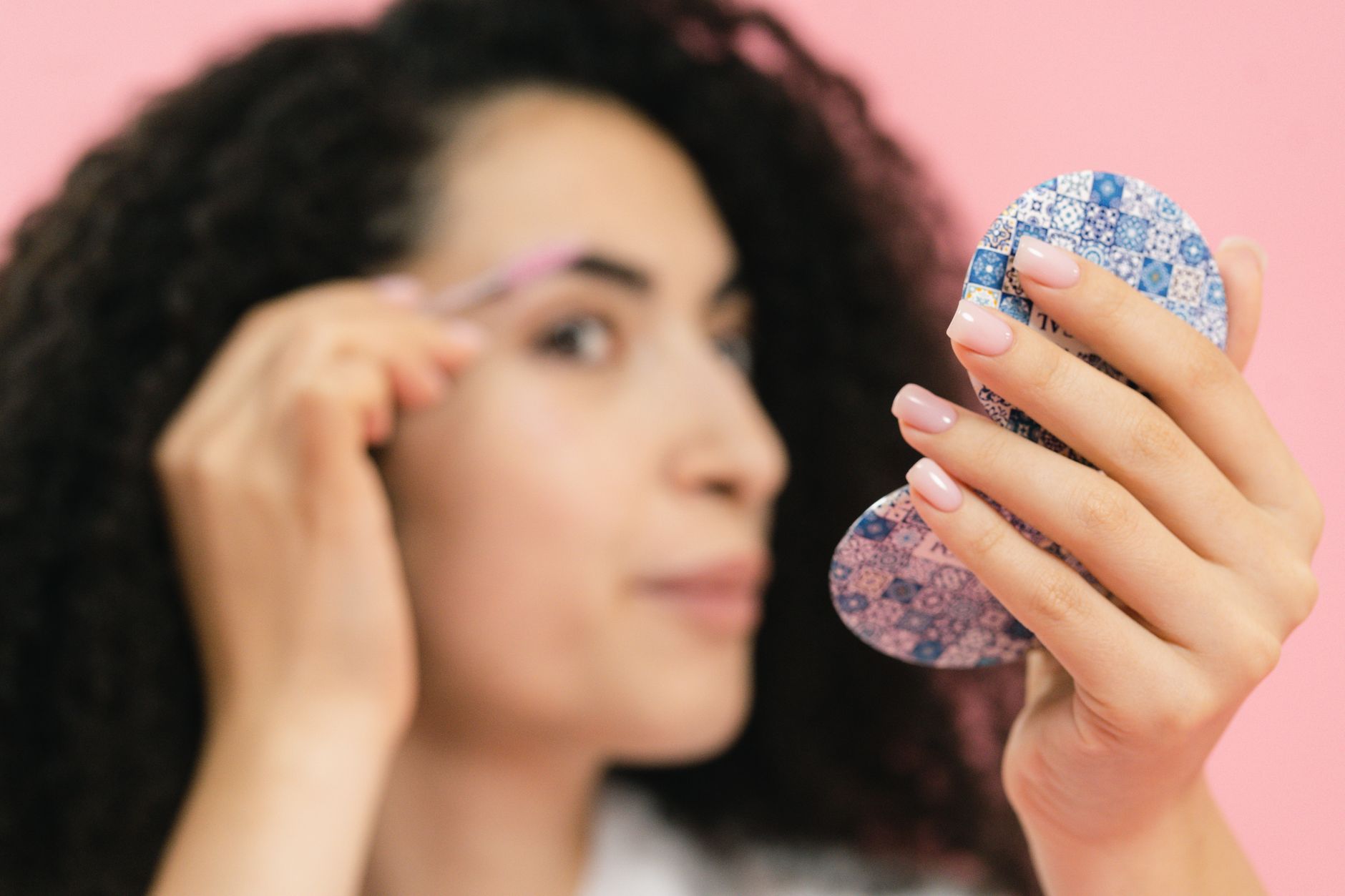
Eyebrow hair can play a crucial role in shaping your face and expressing your unique style. However, many people wonder whether their eyebrows can grow back after over-plucking, waxing, or any unfortunate mishaps. If you’ve ever experienced thinning, sparse brows, you’re not alone. Understanding the growth process, factors affecting regrowth, and timelines can help you manage your brow goals effectively.
In this article, we will explore whether eyebrow hair grows back, the typical timelines for regrowth, and the various factors that can influence this process. Whether you’re seeking a fuller brow look or just aiming to restore your natural shape, we have the information you need.
Does Eyebrow Hair Grow Back?
Yes, eyebrow hair typically grows back, but the timeline and the fullness of regrowth can vary from person to person. Factors such as genetics, age, and the method used for hair removal can all play essential roles in how quickly and effectively your eyebrows return to their original state.
The Eyebrow Hair Growth Cycle
Understanding eyebrow hair growth starts with its growth cycle, which consists of three main phases: anagen, catagen, and telogen.
- Anagen Phase: This is the active growth phase, which can last anywhere from several months to a few years. During this time, eyebrows grow longer and thicker.
- Catagen Phase: This transitional phase lasts a few weeks, during which the hair stops growing and the hair follicle begins to shrink. This is when eyebrow hairs prepare to shed.
- Telogen Phase: In this restful phase, which lasts a few months, the existing hair holds onto the follicle before eventually shedding and making way for new growth.
Each hair in your brows may be at a different stage of the cycle, meaning not all hairs will be lost or will grow back at the same time.
How Long Does It Take for Eyebrow Hair to Grow Back?
The timeline for eyebrow hair regrowth largely depends on several factors, including how much hair was removed, the individual’s hair growth rate, and the methods used for hair removal. Here is a general timeline for eyebrow hair regrowth:
- 1-3 Weeks: Initial regrowth can start around the 1-week mark, with fine hair beginning to appear.
- 4-6 Weeks: At this stage, you may notice more substantial growth, but the hairs may still be sparse or uneven.
- 6-12 Weeks: By now, your brows should show more fullness. Results can vary widely based on individual factors.
- 3-6 Months: For many, it can take several months for brows to return to their full state. Patience is key.
While some individuals may see faster regrowth, others could take longer. If you’ve excessively plucked or waxed your eyebrows, it might take even more time for them to grow back completely.
Factors That Affect Eyebrow Hair Growth
Several factors can impact how quickly or thickly your eyebrow hair grows back:
1. Genetics
Your genetic predisposition plays a significant role in hair growth patterns, including density, thickness, and regrowth time. If your family members tend to have full, thick eyebrows, you are likely to experience similar traits. Conversely, if thinner eyebrows run in your family, you may also have a harder time achieving fullness.
2. Age
As we age, hormonal changes can affect hair growth patterns. For instance, eyebrow density might decrease as part of the natural aging process, making regrowth less likely to reach prior fullness. This is particularly notable for women experiencing menopause, as hormone levels fluctuate dramatically.
3. Method of Hair Removal
The method you choose for eyebrow grooming can impact regrowth:
- Plucking: Regular plucking can damage the hair follicles over time, potentially leading to slower regrowth.
- Waxing: This method generally removes hair from the root, which can allow for regrowth, but frequent waxing can also stress the hair follicle.
- Tweezing: Similar to plucking, tweezing can lead to permanent damage to the hair follicle if done excessively.
- Shaving: Although it can make hair appear thicker when it grows back, shaving does not affect the growth cycle significantly, as it cuts the hair above the skin.
4. Overall Health and Nutrition
Your overall wellbeing is vital for hair health. A nutritious diet rich in vitamins and minerals supports healthy hair growth. Key nutrients include:
- Biotin: Found in eggs, nuts, and seeds, this vitamin is often recommended for hair health.
- Vitamin E: Essential for improving circulation, it can be found in nuts, seeds, and green leafy vegetables.
- Omega-3 Fatty Acids: These promote scalp health and can be sourced from fish, flaxseeds, and walnuts.
- Iron and Zinc: Both are needed for hair growth and can be found in meat, beans, and whole grains.
Inadequate nutrition or underlying health issues can hamper hair regrowth. If you’re experiencing persistent hair loss, consider consulting a healthcare professional for tailored advice.
5. Stress Levels
High stress levels can trigger hair loss or slow down growth. Practicing stress-management techniques such as yoga, meditation, and engaging in enjoyable activities can promote better overall hair health.
Tips to Encourage Eyebrow Hair Growth
If your eyebrows are slow to regrow or if you’re looking to bolster their overall health, here are some useful tips:
1. Avoid Over-Plucking
Letting brows grow naturally can help prevent damaging the hair follicles. Give them a chance to fill out before trimming or shaping again.
2. Use Brow Serums and Oils
Consider using serums or oils formulated for brow growth. These products often contain nourishing ingredients that can stimulate hair follicles. Look for those with:
- Biotin
- Peptides
- Castor oil
3. Maintain a Balanced Diet
Prioritize a diet rich in essential vitamins and minerals to support hair growth. Supplements containing biotin, omega fatty acids, and other beneficial nutrients are also an option after consulting with a healthcare professional.
4. Consider Gentle Exfoliation
Exfoliating your brow area gently can help promote blood circulation and potentially enhance growth. Use a soft toothbrush or a gentle exfoliating scrub around the brows.
5. Stay Hydrated
Ensuring sufficient hydration contributes to overall skin and hair health. Drinking plenty of water can improve circulation and keep your eyebrows healthy.
Common Mistakes to Avoid
As you navigate your eyebrow hair regrowth journey, be mindful of these common pitfalls:
- Frequent Waxing or Threading: Overdoing hair removal can lead to permanent follicle damage.
- Ignoring Skin Health: Healthy skin around the brows supports the regrowth process. Avoid harsh chemicals or irritating products that can affect the skin.
- Neglecting Sun Protection: UV exposure can weaken hair and skin quality. Apply sunscreen to your brows when outdoors.
- Unrealistic Expectations: Everyone’s body is different. Be patient with your brow regrowth journey and set realistic goals for fullness.
Should You Consult a Professional?
If you find that your eyebrows are not regrowing as expected, or if you have questions about hair loss, it might be worth consulting a dermatologist or a licensed beauty professional. They can provide personalized recommendations and insights based on your specific needs.
In some cases, professional treatments such as microblading or brow tinting can provide temporary solutions for sparse eyebrows while allowing natural hair to grow back in over time.
The Final Brush-Up!
Eyebrow hair generally does grow back, but the timeline and fullness of regrowth can vary based on many factors. If you’re experiencing slow regrowth or sparse hairs due to over-plucking or other reasons, remember to be patient and gentle with your brows. A mix of proper care and nutrition can make a significant difference. And most importantly, embrace the journey toward achieving the brows that make you feel confident!
If you’re curious to delve deeper into the world of eyebrow growth, check out our guides on Do Eyebrows Grow Back? and How Long Do Eyebrows Take to Grow Back? for more insights and tips. Happy grooming!