
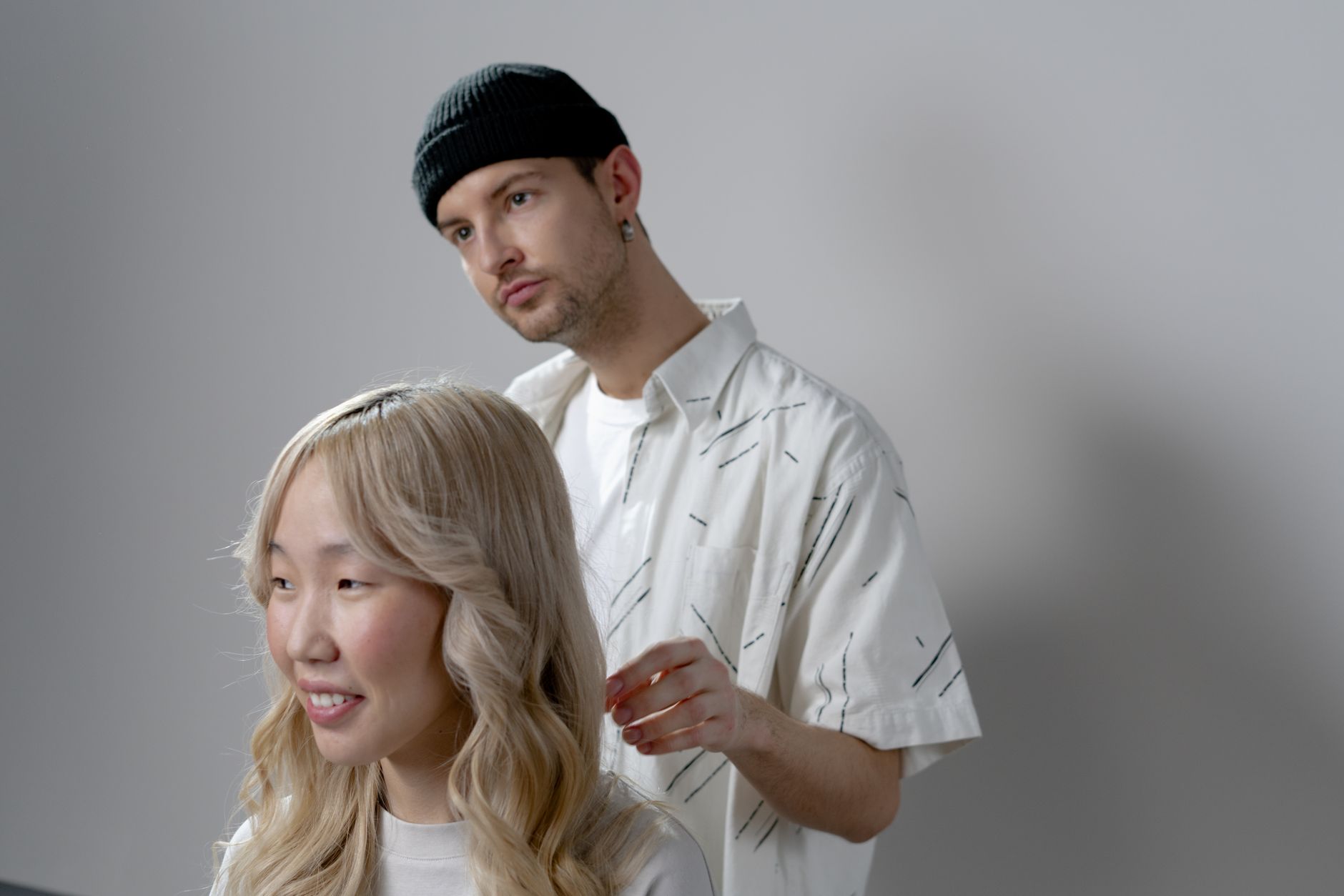
The link between wearing hats and hair loss has long been a topic of debate and concern among many individuals. As fashion accessories or for sun protection, hats are a staple in many wardrobes. However, the question arises: does wearing a hat cause baldness? The answer is nuanced and depends on various factors.
This guide dives into the potential causes of hair loss, the myths surrounding hat-wearing, and what you can do to protect your hair while enjoying this fashionable headwear. Understanding the implications of wearing hats is essential for anyone worried about their hair and scalp health.
Does Wearing a Hat Cause Baldness?
Wearing a hat does not cause baldness directly. Numerous studies indicate that hair loss is predominantly genetic or hormonal and that external factors like hats do not contribute to baldness. However, improper use or certain types of hats could potentially lead to other scalp issues.
Understanding Hair Loss
Before addressing the impact of hats, it’s essential to understand the common causes of hair loss. This will help clarify how they relate to hat-wearing.
Common Causes of Hair Loss
- Genetics: Hereditary hair loss is the most prevalent cause, often referred to as androgenetic alopecia.
- Hormonal Changes: Conditions such as pregnancy, menopause, and thyroid issues can lead to temporary or permanent hair loss.
- Medical Conditions: Health issues like alopecia areata, scalp infections, and autoimmune diseases can influence hair growth.
- Medications: Some prescription drugs can have hair loss as a side effect.
- Poor Nutrition: Deficiencies in essential nutrients can impair hair health.
- Stress: High levels of stress may trigger hair loss.
The Role of Hats in Hair Health
Now that we’ve covered the underlying causes of hair loss, let’s explore how wearing hats factors into hair and scalp health.
Medical Concerns Regarding Hat Usage
While hats themselves do not cause hair loss, several considerations can lead to adverse conditions:
- Friction: Constant rubbing of a tightly fitted hat against hair can cause mechanical damage, leading to breakage.
- Heat and Humidity: Hats trap heat and moisture, which can lead to a sweaty scalp and possibly contribute to follicle issues.
- Hygiene: Wearing dirty hats can introduce bacteria or fungal infections to the scalp.
- Allergic Reactions: Materials or dyes in hats may trigger an allergic reaction, causing dermatitis or irritation on the scalp.
Hat Types That Might Cause Issues
Some hats and styles might be more hazardous than others regarding hair health. Key considerations include:
- Tight Hats: Caps or beanies that are too tight can cause traction alopecia over time.
- Non-Breathable Fabrics: Hats made from synthetic or non-breathable materials may contribute to heat build-up and scalp irritation.
- Unclean Hats: Hats that aren’t cleaned regularly can harbor dirt and bacteria, leading to scalp conditions.
How to Properly Wear Hats Without Harming Hair
There is no reason to stop wearing hats altogether! Here are some practical tips for enjoying hats while maintaining healthy hair and scalp:
- Choose the Right Fit: Opt for hats that fit comfortably without being overly tight. A well-fitted hat should not press against your scalp uncomfortably.
- Select Breathable Fabrics: Natural fibers such as cotton or linen allow for better airflow and moisture control.
- Maintain Good Hygiene: Regularly clean your hats to prevent the build-up of dirt and oils. Whether hand washing or machine washing, ensure they are dried thoroughly.
- Be Mindful of Your Hair: Consider wearing loose hairstyles or protective styles like braids to minimize friction from hats.
- Limit Wear Time: Frequently letting your scalp breathe can avoid overheating and irritation, especially in warmer months.
- Condition Your Hair Regularly: Keeping hair well-conditioned can help withstand any potential mechanical stress from hat-wearing.
Scalp Care Essentials
To further ensure your scalp remains healthy while enjoying the benefits of hat-wearing, consider implementing a scalp care routine. Healthy scalp skin is essential for encouraging healthy hair growth.
Key Elements of an Effective Scalp Care Routine
- Regular Cleansing: Use a gentle scalp cleanser that suits your hair type; do not skip this step even if you’re wearing a hat frequently.
- Exfoliation: Consider using a scalp scrub once a week to remove dead skin cells and product build-up. This promotes a healthier environment for hair growth.
- Moisturization: Add a lightweight scalp oil or moisturizer to nourish the scalp; this can help combat dryness that may result from heat.
- Sun Protection: When possible, try to avoid direct sunlight on your scalp. Use a hat with UV protection or apply a scalp sunscreen if needed.
Debunking Myths About Hat-Wearing and Hair Loss
There are many myths circulating regarding the impact of hats on hair loss. Let’s debunk some common misconceptions:
Myth 1: Hats Block Hair Growth
This myth suggests that covering the hair prevents it from growing properly. In reality, hair grows from the follicle, which is not obstructed by external wear.
Myth 2: Hats Prevent the Scalp from Breathing
While hats may reduce airflow temporarily, the scalp doesn’t “breathe” in the traditional sense. The health of the scalp is primarily determined by hygiene, care practices, and overall health.
Myth 3: Wearing a Hat Makes Hair Greasy
Hats do not inherently make hair oily. Excess oil production is usually due to overactive sebaceous glands or poor hygiene. Regular cleansing can manage oil levels effectively.
Conclusion
In summary, wearing a hat does not cause baldness directly. However, certain habits associated with hat-wearing can impact scalp and hair health. By choosing the right hats, practicing good hygiene, and maintaining a healthy scalp care routine, you can continue to enjoy your headwear without compromising the beauty of your hair.
If you’re looking to explore related guides, check out our articles on the relationship between wearing hats and hair loss and how dandruff can contribute to hair problems. These resources will enhance your understanding of hair care and maintenance.