
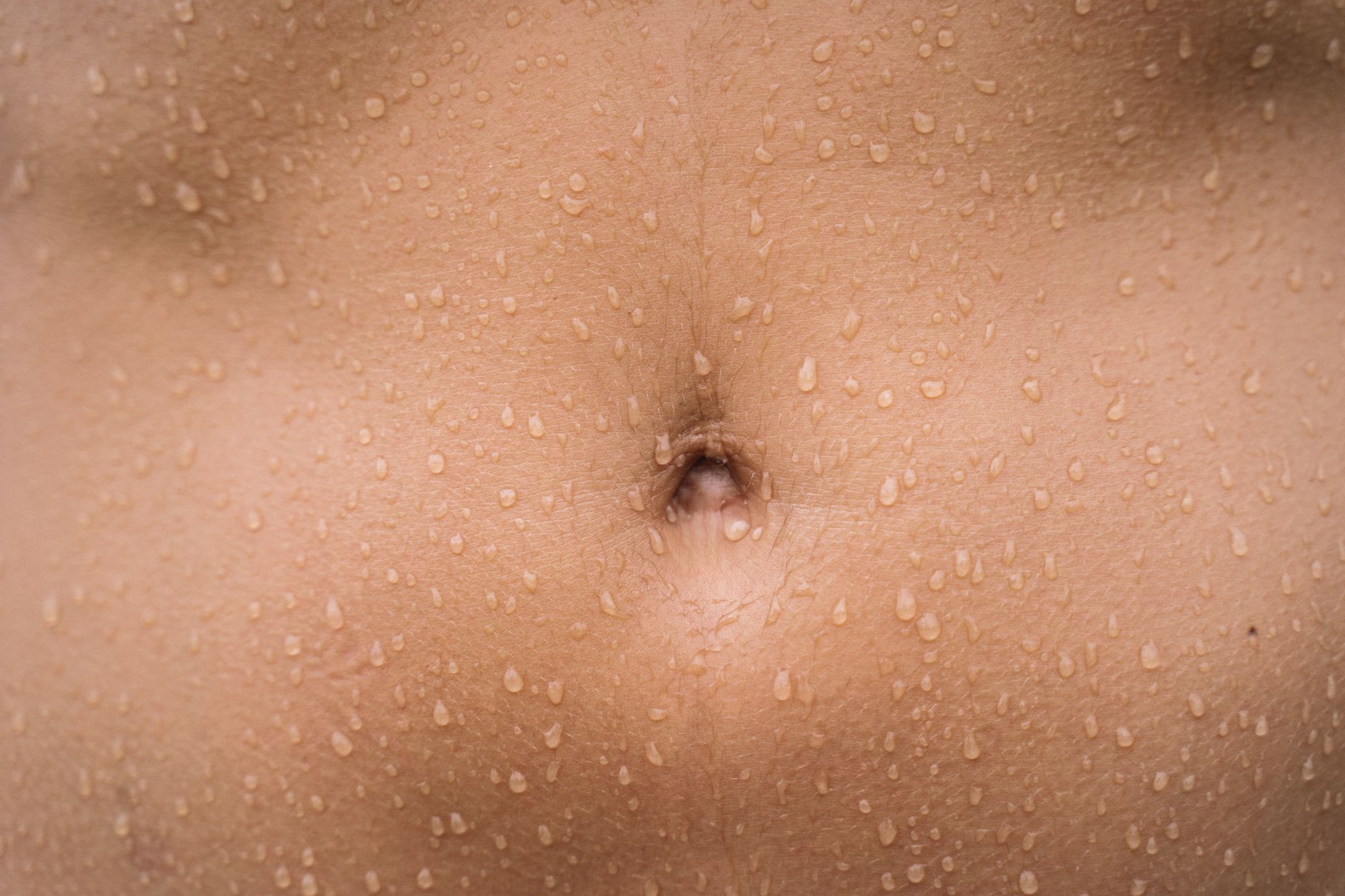
The belly button, or navel, is a small but often neglected area of our body. Regular cleaning is essential to maintain proper hygiene, prevent odor, and avoid infections. While it might not be at the forefront of your beauty routine, understanding how to clean your belly button properly can help you feel fresher and more confident.
This guide will explain the best methods to clean your belly button, what products to use, and provide safety tips to ensure you do it correctly. Adopting this simple hygiene practice can lead to overall skin health and comfort, making it a valuable addition to your beauty regimen.
How to Clean Your Belly Button?
Cleaning your belly button involves simple steps that you can easily incorporate into your hygiene routine. These steps include gathering the necessary tools, choosing an appropriate cleansing product, and understanding the techniques to clean effectively.
Why is it Important to Clean Your Belly Button?
Many people do not realize that the belly button can harbor bacteria, dirt, and even lint. By keeping it clean, you can:
- Prevent unpleasant odors.
- Avoid infections, especially in deeper navels.
- Maintain overall skin health.
- Feel more comfortable and confident.
Understanding Your Belly Button Type
Belly buttons can be categorized into two main types:
- Innies: These are recessed and can trap debris easily.
- Outies: These protrude and generally collect less dirt but still require cleaning.
Knowing your belly button type can help tailor your cleaning method for effective hygiene.
Gathering Your Supplies
Before cleaning your belly button, collect the following supplies:
- Soft washcloth or cotton pads
- Gentle soap (preferably unscented)
- Warm water
- Alcohol or antiseptic wipe (optional)
- Moisturizer (optional)
Using gentle products will help avoid irritation in the sensitive areas around your navel.
Step-by-Step Guide to Clean Your Belly Button
Following the right steps ensures your belly button remains clean and healthy. Here’s how to do it:
Step 1: Prepare
- Start by washing your hands thoroughly with soap and water to prevent transferring bacteria.
- Gather all your supplies and find a comfortable space, preferably in the bathroom.
Step 2: Clean the Area
- Soak a soft washcloth or cotton pad in warm water mixed with a small amount of gentle soap.
- Gently clean the outside and the inside of your belly button in a circular motion. Make sure to cover all areas evenly.
Step 3: Rinse
- Use another clean, damp cloth to wipe away any soap residue.
- Ensure that no soap or dirt remains, as this can lead to irritation.
Step 4: Dry
- Pat the area dry gently with a clean towel.
- Make sure the belly button is completely dry to avoid moisture retention, which can cause bacteria growth.
Step 5: Optional Follow-Up
- If desired, you can apply a small amount of moisturizer around the area to keep it hydrated.
- If you have a deeper belly button or notice any irritation, you may occasionally use an antiseptic wipe to keep it clean and disinfected.
Additional Tips for Different Belly Button Types
For Innies
Innies tend to trap more dirt and moisture, making them more susceptible to odors and infections. When cleaning an innie:
- Use a cotton swab to reach deeper areas gently.
- Be extra cautious in drying the area to avoid moisture stagnation.
For Outies
While outies generally require less maintenance, regular cleaning is still important. For an outie:
- Ensure to clean around the edges, as lint and debris can accumulate there.
- Pay attention to any changes in color or texture, which may indicate irritation.
Common Mistakes to Avoid
To ensure effective belly button hygiene, be aware of these common mistakes:
- Using harsh soaps or exfoliants can irritate the skin.
- Skipping the drying step can lead to bacterial growth.
- Cleaning too aggressively can cause injury or sensitivity.
Signs Your Belly Button Needs Attention
Observe your belly button regularly for any of these signs that may indicate an infection or irritation:
- Unpleasant odor that persists after cleaning
- Redness, swelling, or discharge
- Itching or discomfort
If you notice any of these symptoms, consider consulting a healthcare professional for appropriate care.
Safety Tips for Belly Button Cleaning
Keeping safety in mind while cleaning your belly button is crucial:
- Always wash your hands before touching your belly button.
- Use only clean, soft materials to avoid irritation.
- Be gentle; avoid using sharp objects or vigorous scrubbing.
- If you have pierced your belly button, ensure you follow specific cleaning guidelines for piercings.
Frequently Asked Questions
How often should I clean my belly button?
It’s generally advised to clean your belly button once a week as part of your regular hygiene routine. However, if you sweat a lot or notice an accumulation of dirt, more frequent cleaning may be necessary.
Can I use alcohol to clean my belly button?
While alcohol can help disinfect, it can also be harsh on the skin. If you opt to use alcohol, it’s best to do so sparingly and ensure the area is well-moisturized afterward.
Conclusion
Cleaning your belly button is a simple yet essential practice that contributes to overall hygiene. By following the steps outlined in this guide, you can ensure that this often-ignored area remains clean and healthy. Remember to choose gentle products and techniques that work for your skin type, and don’t forget to keep an eye out for any signs requiring medical attention.
Ready to enhance your beauty routine further? Explore our guides on skincare routines, gentle soaps, and effective moisturizers to keep your skin looking and feeling its best.