
Dealing with a pimple can feel like an uphill battle, especially when you’re looking for a quick fix. Whether it’s a stubborn spot that suddenly appeared or a recurrent breakout, understanding how to banish pimples safely and effectively is key to maintaining a clear complexion.
In this guide, we’ll provide practical tips and techniques for addressing pesky pimples while protecting your skin. We’ll explore preventive measures, treatment options, and proper care methods to help you achieve the clear skin you desire.
How to Get Rid of a Pimple?
To get rid of a pimple, it’s important to follow a few key steps: clean your skin gently, apply effective topical treatments, avoid picking at the pimple, and keep the area moisturized. These methods will help reduce inflammation and promote healing, leading to clearer skin over time.
Understanding Pimples: What Causes Them?
Pimples, also known as acne, are common skin blemishes that occur when hair follicles become clogged with oil (sebum), dead skin cells, and bacteria. Various factors can contribute to the development of pimples, including:
- Hormonal Changes: Fluctuations in hormone levels, especially during puberty, menstruation, or pregnancy, can increase oil production in the skin.
- Diet: Diets high in sugar and dairy may exacerbate acne for some individuals.
- Stress: Stress can trigger the body’s production of hormones that lead to increased oil production.
- Skincare Products: Using products that contain heavy oils or irritants can worsen acne.
Immediate Steps to Treat a Pimple
When you notice a pimple forming, you can take immediate action to minimize its appearance and speed up the healing process. Follow these steps:
- Keep Your Face Clean: Start by gently washing your face with a mild cleanser to remove dirt and excess oil. Avoid scrubbing, which can irritate the skin.
- Use a Spot Treatment: Look for over-the-counter treatments containing active ingredients like benzoyl peroxide or salicylic acid. Apply a small amount directly onto the pimple using a clean fingertip or cotton swab.
- Apply Ice: If the pimple is swollen and painful, applying an ice pack wrapped in a clean cloth for a few minutes can help reduce inflammation and redness.
- Stay Moisturized: Even if you have oily skin, it’s important to use a lightweight, oil-free moisturizer to keep the skin hydrated.
The Role of Skincare Routine in Pimple Management
In addition to treating existing pimples, establishing a consistent skincare routine can help prevent new breakouts from forming. Here’s a simple daytime and nighttime routine:
Daytime Routine
- Cleansing: Use a gentle cleanser suitable for your skin type. For oily skin, consider a foaming cleanser with salicylic acid.
- Toner (Optional): If you use a toner, choose one that is alcohol-free and designed for acne-prone skin.
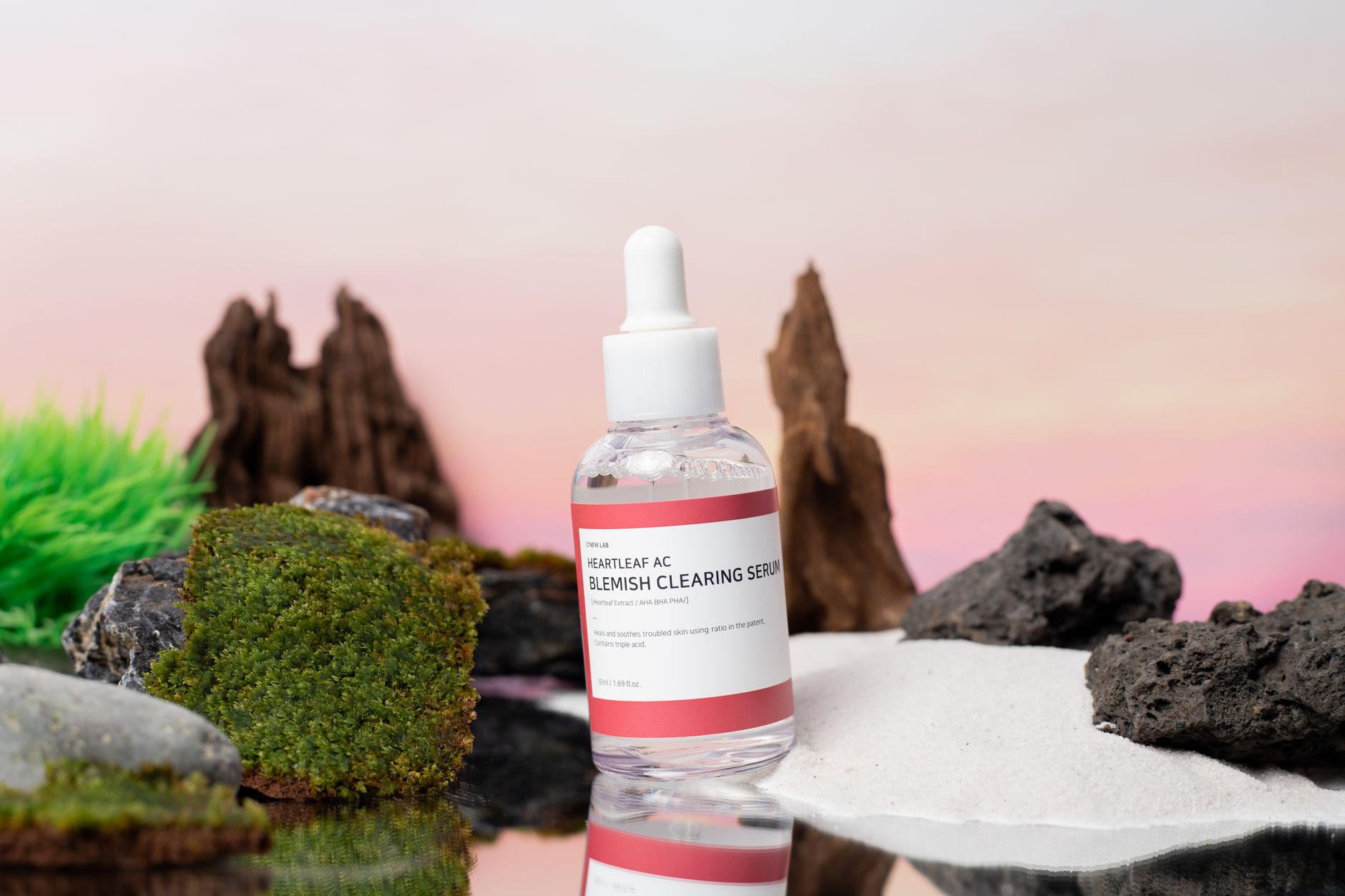
- Serum: Apply a serum containing niacinamide or salicylic acid. These ingredients can help minimize pores and reduce inflammation.
- Moisturizer: Use an oil-free moisturizer to hydrate the skin without clogging pores.
- Sunscreen: Never skip sunscreen. Look for a non-comedogenic formula to protect your skin from UV damage.
Nighttime Routine
- Cleansing: Cleanse your face again to remove makeup, dirt, and oil accumulated throughout the day.
- Treatment: Apply a targeted acne treatment with benzoyl peroxide or salicylic acid to any active pimples.
- Moisturizer: Use the same lightweight moisturizer from your daytime routine to maintain hydration.
Exfoliation: A Key Component
Exfoliation removes dead skin cells that can clog pores and lead to pimples. However, it’s important to exfoliate correctly to avoid irritation. Here are tips for effective exfoliation:
- Choose a Gentle Exfoliant: Look for a chemical exfoliant containing alpha-hydroxy acids (AHAs) or beta-hydroxy acids (BHAs) suitable for your skin type.
- Frequency: Exfoliate 1-2 times a week, depending on your skin’s tolerance. Over-exfoliating can damage the skin barrier.
- Patch Test: Before trying a new exfoliant, always patch test on a small area of skin to check for adverse reactions.
Home Remedies for Pimples
While they might not be as effective as clinical treatments, some home remedies can help soothe pimples and promote healing:
- Tea Tree Oil: Known for its antibacterial properties, tea tree oil can be diluted with a carrier oil and applied to the affected area.
- Aloe Vera: This natural ingredient has anti-inflammatory properties and can soothe irritated skin when applied as a gel.
- Green Tea: Applying green tea extract directly to the skin or using products infused with it can reduce acne-related inflammation.
- Honey: Honey has natural antibacterial properties and can be used as a spot treatment or mask to help clear skin.
Modern Treatment Options
If traditional methods aren’t effective, there are several professional treatments available. Consult with a dermatologist to explore the following:
- Topical Retinoids: Prescription-strength retinoids can help clear acne by promoting cell turnover and preventing clogged pores.
- Oral Medications: Antibiotics or hormonal treatments may be prescribed for moderate to severe acne.
- LED Light Therapy: This treatment can help reduce the bacteria that cause acne and promote healing of the skin.
- Chemical Peels: A professional chemical peel can help treat acne by exfoliating the skin more deeply.
Common Mistakes to Avoid
In the quest to get rid of a pimple, it’s easy to fall into some common traps. Here are mistakes to avoid:
- Popping Pimples: Resist the urge to squeeze or pop pimples, as this can lead to scarring and can spread bacteria, worsening the problem.
- Using Harsh Products: Aggressive scrubs or strong alcohol-based treatments can irritate the skin and worsen breakouts.
- Skipping Moisturizer: Over-drying the skin can trigger more oil production, leading to additional pimples.
- Inconsistent Routine: Skipping steps in your skincare regimen can reduce its effectiveness. Be consistent for the best results.
Managing Skin Sensitivity
For those with sensitive skin, extra care is necessary when dealing with pimples. Here are tips to manage irritation:
- Choose Gentle Products: Opt for products designed for sensitive skin that won’t cause irritation.
- Avoid Fragrance: Products with added fragrances can irritate sensitive skin, so opt for fragrance-free options.
- Patch Test New Products: Always perform a patch test before introducing new products into your routine.
When to Seek Professional Help
If you’re experiencing persistent or severe acne that doesn’t respond to over-the-counter treatments, consider consulting a dermatologist. Signs that indicate it’s time to seek help include:
- Severe or painful acne that affects your daily life.
- Development of scarring or dark spots from acne.
- Persistent flare-ups that do not improve despite a consistent skincare routine.
Realistic Expectations
While it’s natural to want quick results when treating a pimple, it’s important to maintain realistic expectations. Healing skin takes time, and consistency is crucial. Here’s what to keep in mind:
- Improvements may take several days to notice, especially for inflamed spots.
- Even with treatment, new pimples can still form, and periodic breakouts are normal.
- Consult a professional if there’s no improvement after several weeks of treatment.
Conclusion
Getting rid of a pimple doesn’t have to be a daunting task. By establishing a consistent skincare routine, utilizing effective treatments, and avoiding common pitfalls, you can manage and prevent future breakouts. Stay patient and kind to your skin, and remember that it’s perfectly normal to experience occasional imperfections.
For more in-depth information on specific acne types, you can explore our guides on cystic acne or learn about how to pop a pimple safely, if needed. Your journey to clear skin is just a few steps away!