
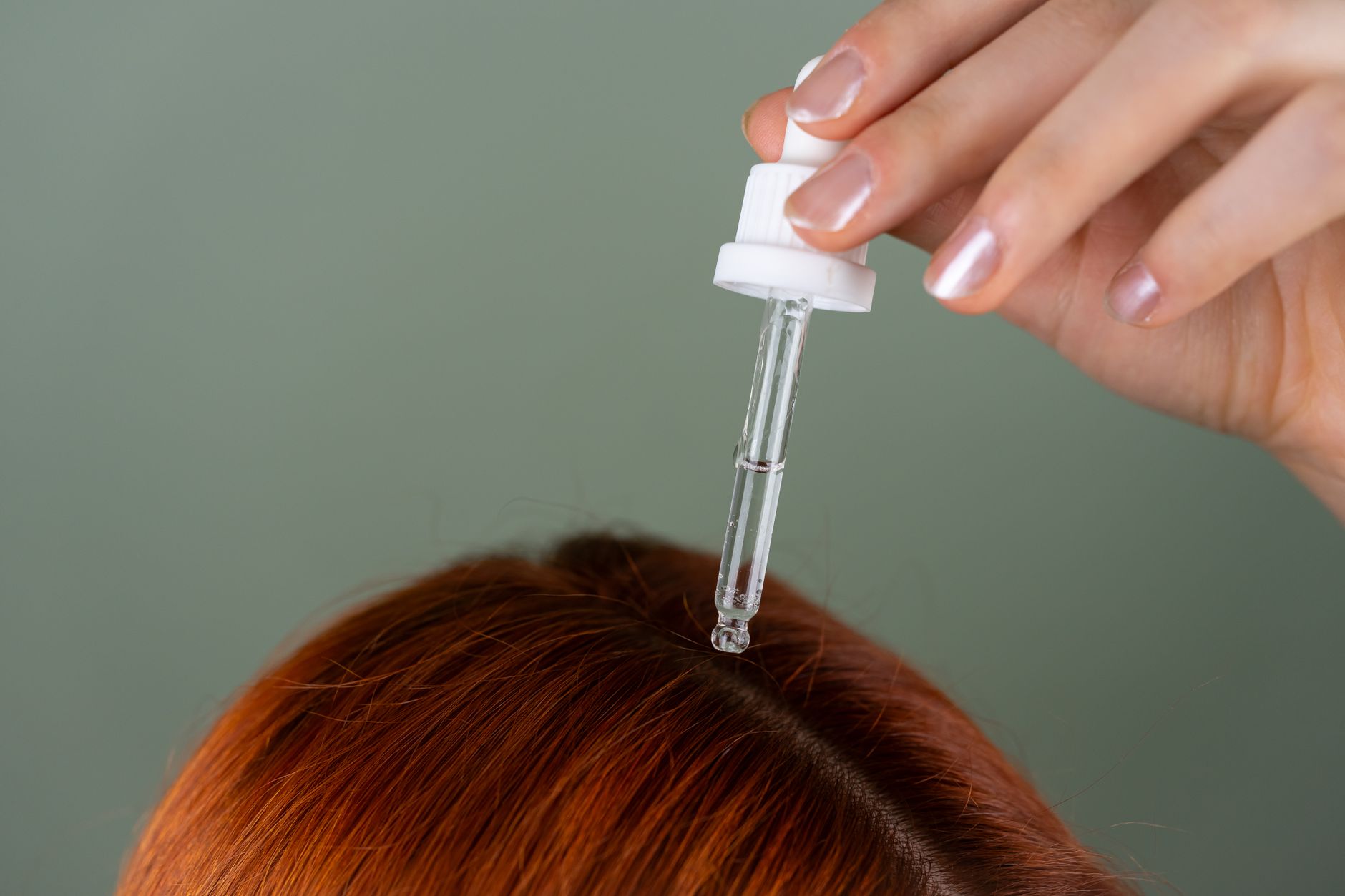
Are you tired of short hair and dreaming of longer, luscious locks? While hair growth is largely determined by genetics, there are practical ways to encourage your hair to grow faster and healthier. This guide will provide you with realistic tips, techniques, and product options to help you achieve your hair goals.
Whether you’re dealing with slow growth, damage, or simply want to enhance your hair’s natural health, understanding the factors that influence hair growth will empower you to make informed decisions. Let’s dive into effective strategies and methods to help your hair flourish.
How to Make My Hair Grow Faster?
To make your hair grow faster, focus on maintaining a healthy scalp, minimizing damage, and using the right products. Essential factors include a balanced diet, proper hair care routine, regular trims, and potentially beneficial treatments. Each aspect plays a crucial role in supporting your hair’s growth.
Understanding Hair Growth
Before you start implementing changes, it’s essential to understand the basics of hair growth. Hair grows in cycles, and each strand undergoes a three-phase process: anagen (growth), catagen (transition), and telogen (resting). The duration of these phases varies for each person and can be influenced by factors such as genetics, age, and overall health.
Nutrition for Hair Growth
Your diet plays a significant role in hair health. Consuming essential nutrients can support stronger, healthier hair. Focus on integrating these elements into your meals:
- Proteins: Hair is made of keratin, a type of protein. Ensure your diet includes sufficient protein from sources like lean meats, fish, eggs, beans, and nuts.
- Vitamins: Vitamins A, C, D, and E are essential for hair health. Incorporate fruits and vegetables, nuts, and leafy greens into your diet.
- Minerals: Iron, zinc, and biotin are critical for healthy hair growth. Foods like spinach, legumes, and whole grains are excellent sources.
- Omega-3 Fatty Acids: Found in fish like salmon and flaxseeds, these fatty acids nourish the scalp and add shine.
Scalp Care
A healthy scalp is crucial for optimal hair growth. Here are some tips for maintaining scalp health:
- Keep it clean: Regularly cleanse your scalp to remove dirt, oil, and product buildup. This promotes better hair health.
- Exfoliate: Use gentle exfoliating treatments to remove dead skin and promote circulation. Scalp scrubs or chemical exfoliants can be beneficial.
- Moisturize: Just like your skin, your scalp needs hydration. Use lightweight oils or scalp treatments to keep it nourished.
Hair Care Routine
A well-structured hair care routine can make a noticeable difference in the rate of hair growth. Here is a simple routine to follow:
- Cleansing: Use a sulfate-free shampoo to cleanse your hair without stripping it of natural oils. Avoid washing your hair daily; instead, aim for 2-3 times a week, depending on your hair type.
- Conditioning: Follow up with a conditioner suitable for your hair type. Focus on the ends to prevent dryness and breakage.
- Deep Treatments: Incorporate a deep conditioning treatment or hair mask once a week for added moisture and nourishment.
- Minimize Heat: If possible, reduce the frequency of heat styling. Opt for air drying and use heat protectant sprays when styling is necessary.
Regular Trims
It may sound counterintuitive, but regular trims can actually promote hair growth. Trimming eliminates split ends and prevents further damage, allowing your hair to grow healthier. Aim for a trim every 6-8 weeks to maintain hair health.
Be Gentle with Your Hair
How you handle your hair on a daily basis can impact its growth potential. Here are some gentle practices to keep in mind:
- Detangling: Use a wide-tooth comb or a detangling brush to minimize breakage. Always start from the ends and work your way up.
- Protective Styles: Protect your hair from environmental stressors by opting for protective hairstyles, especially for textured hair types.
- Sleep Care: Use a silk or satin pillowcase to reduce friction while sleeping, which helps prevent breakage.
Hair Growth Products
The right hair care products can enhance your hair growth journey. Consider adding the following categories to your routine:
- Hair Growth Shampoos: Look for shampoos with ingredients like biotin, caffeine, or essential oils known to stimulate hair growth.
- Hair Oils: Oils such as castor oil, argan oil, or rosemary oil can nourish the scalp and promote stronger hair.
- Serums and Treatments: Leave-in treatments and serums designed specifically for hair growth can be effective. Look for products that contain niacinamide or saw palmetto.
Natural Remedies for Hair Growth
Many people turn to natural remedies to support hair growth. While results can vary and are not guaranteed, here are some popular options:
- Castor Oil: Known for its conditioning properties, castor oil can help to moisturize the scalp and promote a healthier environment for hair growth.
- Onion Juice: Though it may smell strong, onion juice is believed to improve circulating blood to the hair follicles, enhancing growth.
- Aloe Vera: This soothing plant can reduce scalp irritation and is also a natural moisturizer.
Supplements for Hair Health
Although a balanced diet should ideally provide all the nutrients you need, supplements can help fill in the gaps. Here are some popular supplements linked to hair health:
- Biotin: Often recommended for hair strength, it may contribute to overall hair health.
- Collagen: Supports healthy hair by boosting elasticity and hydration.
- Iron and Zinc: These minerals are essential for hair growth; iron deficiency has been linked to hair loss.
Lifestyle Factors
Your lifestyle choices can also influence hair growth. Consider the following:
- Stress Management: Chronic stress can lead to hair loss. Incorporate stress-reducing activities such as yoga, meditation, or regular exercise.
- Stay Hydrated: Drinking enough water supports overall health, including your hair.
- Avoid Harsh Chemical Treatments: Limit the use of harsh dyes and chemical treatments that can damage hair.
Signs of Hair Health Issues
Be aware of signs that may indicate hair health issues. If you experience excessive shedding, patches of hair loss, or changes in texture or thickness, consider consulting a dermatologist or healthcare professional to explore potential underlying causes.
Understanding Expectations
While all these tips and products can promote a healthier scalp and hair, it’s important to maintain realistic expectations. Hair typically grows about half an inch per month on average. Results vary based on individual genetics, health, and adherence to routines. Be patient, and give your hair the time it needs to flourish.
Conclusion
Making your hair grow faster involves a multifaceted approach, including proper nutrition, a careful hair care routine, gentle handling, and possibly incorporating beneficial products. Investing time and effort in these practices can yield significant results over time. Remember, healthy is the new long, and with the right care, you’ll be on your way to achieving those beautiful, flowing locks.
For more detailed information on boosting your hair growth, explore our guides on growing your hair faster and the benefits of castor oil for hair growth.