
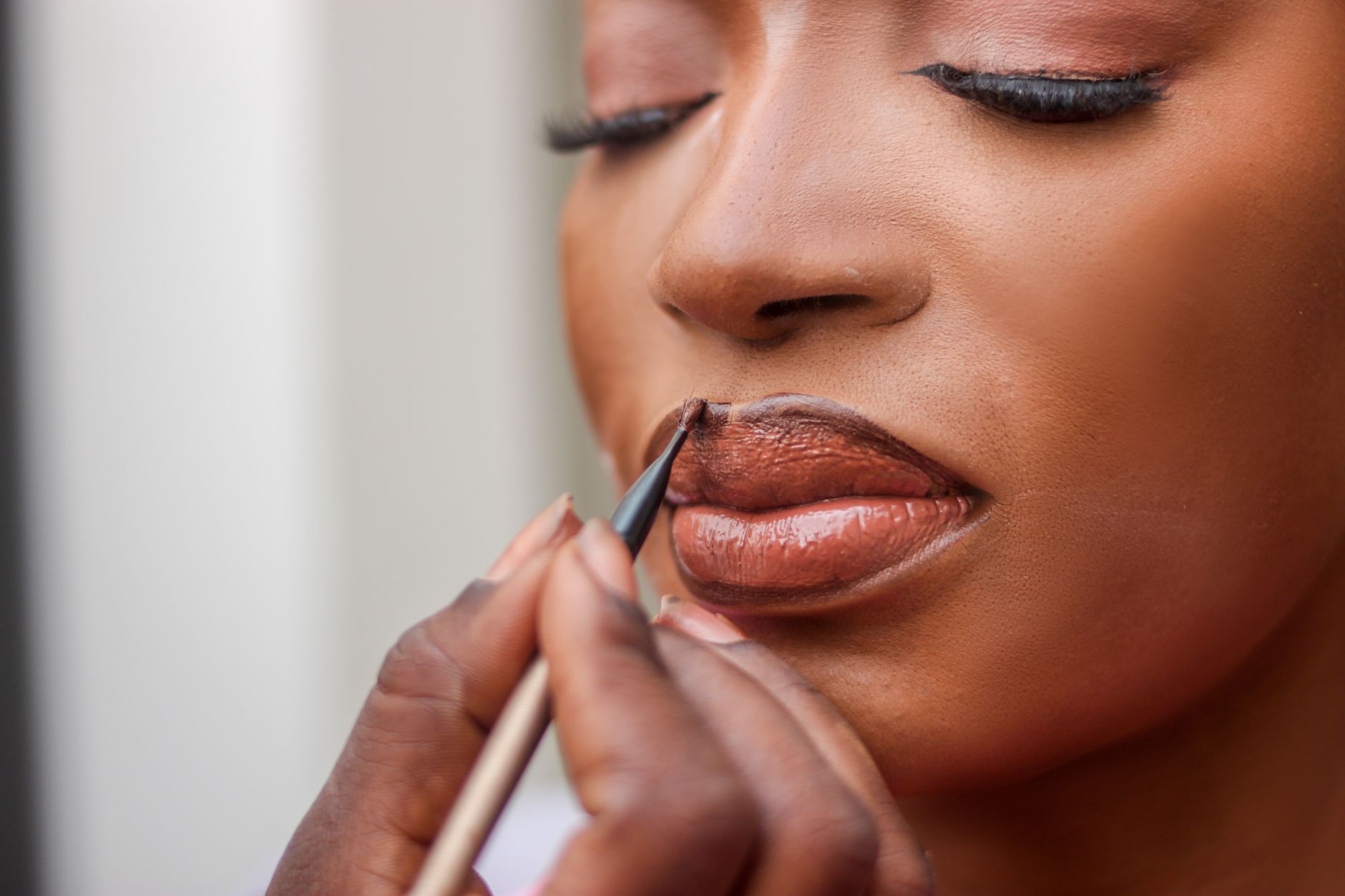
Embracing natural beauty is essential, especially when it comes to hair care for Black women and men. “My Black Is Beautiful” is a powerful mantra that inspires many to celebrate their natural texture and seek products that enhance their unique hair characteristics. This guide focuses on effective hair care strategies, essential product types, and valuable tips to maintain healthy, vibrant hair.
Understanding your hair’s unique needs allows you to select the right products and formulate a customized hair care routine. By embracing your natural beauty and nourishing your hair with the proper care, you can showcase your stunning hair texture confidently.
My Black Is Beautiful Hair Care: What Do You Need to Know?
The primary goal of the “My Black Is Beautiful” hair care routine is to maintain healthy, hydrated hair while embracing its natural texture. Different hair types within the Black community can include various curls, coils, and kinks, which each require specific care. Establishing a hair care regimen can address issues like dryness, frizz, and breakage by utilizing the right products designed for textured hair.
Key considerations include understanding your hair’s texture, density, and porosity, which can help you choose the appropriate products and application methods. Let’s delve deeper into a structured hair care routine that incorporates cleansing, conditioning, and styling techniques tailored for textured hair.
Understanding Hair Types
Before diving into product recommendations and routines, it’s essential to identify your specific hair type. The most common way to classify hair textures, especially in Black hair, uses the Andre Walker Curl Typing System. Here’s a quick overview:
- Type 1: Straight hair with no curls.
- Type 2: Wavy hair with a loose wave pattern.
- Type 3: Curly hair that forms spirals.
- Type 4: Coily or kinky hair, with tight curls or zigzag patterns.
Once you determine your hair type, consider its density (thin, medium, or thick) and porosity (how well your hair absorbs moisture). This information is vital for selecting products and enhancing your hair care routine.
Building Your Hair Care Routine
An effective hair care routine typically includes cleansing, conditioning, detangling, styling, and maintaining your hair’s health. Below is a structured approach tailored to textured hair.
Cleansing
- Choose the Right Shampoo: Look for sulfate-free shampoos specifically designed for curly or coily hair. These shampoos clean without stripping essential oils.
- Frequency: Depending on your scalp’s oiliness, cleanse your hair every 1-2 weeks. Overwashing can lead to dryness.
When using shampoo, apply it to your scalp and gently massage with your fingertips. Avoid rough scrubbing, as it can damage the hair strands. Rinse thoroughly before following with a conditioner.
Conditioning
- Hydrating Conditioner: Use a rich, moisturizing conditioner every time you wash your hair.
- Deep Conditioning: Implement deep conditioning treatments weekly or bi-weekly to restore moisture, particularly after wearing protective styles or during dry seasons.
Apply the conditioner while your hair is damp, ensuring even distribution from roots to ends. For extra hydration, consider wearing a shower cap and applying heat for 15-30 minutes.
Detangling
- Use a Wide-Tooth Comb: Always detangle your hair when it’s wet and condition. This minimizes breakage and helps maintain curl definition.
- Section Your Hair: Divide your hair into manageable sections to work through tangles slowly.
Start from the ends and work your way up to the roots to gently release knots. This can help reduce breakage and ensure healthier hair.
Styling
- Choose the Right Styling Products: Look for creams or gels designed specifically for your hair type. Consider moisture-rich products for dry hair or lightweight options for finer hair.
- Employ Protective Styles: Incorporate braids, twists, or buns to shield hair ends and decrease manipulation.
For added definition, consider using the shingling method with your styling products. This involves applying products evenly throughout your hair strands to define curls.
Maintenance
- Moisturize Regularly: Keeping your hair hydrated between washes is crucial. Use leave-in conditioners or hair oils as needed.
- Protect at Night: Consider using a satin or silk scarf, bonnet, or pillowcase to minimize friction while you sleep.
These simple practices can help maintain moisture, minimize breakage, and enhance curl definition.
Choosing the Right Products for Textured Hair
To create a successful hair care regimen, selecting suitable products that cater to your hair’s unique needs is essential. Below are the recommended categories of products to consider:
Shampoos
- Sulfate-free formulas to prevent dryness.
- Moisturizing shampoos for added hydration.
- Clarifying shampoos to remove product buildup, but use sparingly.
Conditioners
- Hydrating daily conditioners for regular use.
- Deep conditioners that promote moisture retention.
- Protein treatments that help strengthen and repair hair.
Styling Products
- Curl creams that define and hold curls.
- Eco-friendly gels that provide hold without crunch.
- Leave-in conditioners that offer continuous moisture.
Hair Oils and Treatments
- Natural oils like coconut, jojoba, or olive oil for sealing moisture.
- Hair serums for shine and frizz control.
- Scalp treatments for maintaining scalp health.
Hair Care Tips for Textured Hair
Implementing some practical hair care tips can make a significant difference in the health and appearance of your hair. Here are several key tips to consider:
- Limit heat styling: Frequent use of heat can lead to damage and breakage. If needed, use heat protectant sprays when styling with heat tools.
- Stay hydrated: Drinking plenty of water is essential for overall health—including your hair. Hydrated bodies support hydrated hair.
- Avoid tight hairstyles: While styling is essential, tight hairstyles can lead to traction alopecia and breakage.
- Rotate products: Don’t be afraid to experiment with different products, but be aware of how your hair reacts to prevent excessive buildup.
- Listen to your hair: Pay attention to your hair’s response to products or treatments. Modify your routine if your hair feels dry or looks dull.
Common Mistakes to Avoid
While building a hair care routine, here are some common mistakes to be mindful of:
- Overwashing your hair, which can lead to dryness.
- Ignoring scalp health, leading to issues like dandruff.
- Using the wrong products based on hair type or needs.
- Skipping regular trims, which can prevent split ends from worsening.
- Not protecting hair while sleeping, leading to breakage and frizz.
Understanding Scalp Health
Scalp health is an essential aspect of overall hair care that often gets overlooked. A healthy scalp promotes healthy hair growth and should not experience excessive buildup or irritation. Here are some essential tips:
- Regularly exfoliate your scalp to remove dead skin cells and product buildup.
- Use a gentle shampoo formulated for sensitive scalps as needed.
- Consider natural ingredients like tea tree oil or aloe vera, which can be soothing to the scalp.
If you notice persistent issues such as severe itching, flaking, or inflammation, consider consulting a qualified dermatologist or trichologist for assessment.
Conclusion and Moving Forward
Your hair is a beautiful manifestation of your identity, and caring for it shouldn’t feel like a chore. Embrace the journey to find the right products and methods that work for you. By understanding your unique hair needs and incorporating these tips and techniques, you can enjoy healthy, beautiful hair.
As a practical next step, identify your hair type and focus on building your customized hair care routine using the insights shared here. Remember to maintain consistent care and always prioritize the health and hydration of your hair.
For more insights on caring for specific hair concerns, explore our guide on dandruff solutions or learn how to effectively use hair masks for added moisture and nourishment. Emphasizing beauty that celebrates our roots is vital for empowered self-expression.