
Alopecia areata is an autoimmune disorder that leads to hair loss, often presenting as round patches on the scalp or other areas of the body. While it can be distressing for those affected, understanding alopecia areata—its signs, causes, and treatments—empowers individuals to manage their hair health effectively and navigate their beauty routines seamlessly.
This guide will walk you through the nature of alopecia areata, highlighting common symptoms, potential triggers, and the various treatment options available. Whether you are experiencing alopecia areata yourself or supporting someone who is, knowing more will help tailor your beauty and hair care practices accordingly.
What Is Alopecia Areata?
Alopecia areata is an autoimmune condition that can cause sudden hair loss, usually in small, round patches. It occurs when the immune system mistakenly attacks the hair follicles, leading to hair loss in affected areas. While anyone can develop alopecia areata, it often begins in childhood or early adulthood and can occur in varying degrees of severity.
What Are the Signs of Alopecia Areata?
The signs of alopecia areata can vary from person to person, but there are some common characteristics to look out for:
- **Bald Patches**: The most noticeable symptom is one or more round, smooth patches of hair loss on the scalp or other body parts.
- **Thinning Hair**: In some cases, hair may thin out gradually rather than produce complete bald patches.
- **Nail Changes**: Some people may notice changes in their nails, such as pitting, ridges, or white spots.
- **Hair Regrowth and Loss**: Hair may regrow in some areas while falling out in others, leading to inconsistent hair coverage.
What Causes Alopecia Areata?
The exact cause of alopecia areata remains unknown, but experts believe it is related to genetic, environmental, and autoimmune factors:
- **Genetics**: A family history of autoimmune diseases can increase the risk of developing alopecia areata.
- **Autoimmune Response**: The body’s immune system mistakenly attacks hair follicles, leading to hair loss.
- **Environmental Triggers**: Stress, infections, and environmental factors may trigger or exacerbate the condition.
- **Other Health Conditions**: Individuals with other autoimmune diseases such as thyroid disorders, vitiligo, or lupus may have a higher incidence of alopecia areata.
Types of Alopecia Areata
Alopecia areata can manifest in various forms, each with its own characteristics and implications:
- **Alopecia Areata**: Characterized by one or more round patches of hair loss.
- **Alopecia Totalis**: Complete loss of hair on the scalp.
- **Alopecia Universalis**: Total loss of hair on the scalp and body, including eyebrows and eyelashes.
Diagnosis of Alopecia Areata
Diagnosing alopecia areata typically involves a thorough review of the individual’s medical history, family history, and a physical examination of the scalp and hair.
If the diagnosis is unclear, a dermatologist may conduct tests, which may include:
- **Scalp Biopsy**: This involves removing a small sample of skin from the scalp for laboratory analysis.
- **Blood Tests**: To check for other autoimmune disorders or underlying health conditions.
How to Manage Alopecia Areata
Managing alopecia areata is key to maintaining confidence and well-being. Here are several approaches that can help individuals cope:
- **Wigs and Hairpieces**: Many individuals with alopecia areata choose to wear wigs, hairpieces, or headscarves as a way to maintain their appearance.
- **Makeup**: Using cosmetic products to cover bald patches can help enhance one’s appearance. Specialized brands offer products designed for scalp covering.
- **Support Groups**: Connecting with others who have similar experiences can provide emotional support and resources.
Treatments for Alopecia Areata
There are several treatment options available for individuals with alopecia areata, although results can vary widely.
Medications
Several types of medications can help with hair regrowth or managing the condition:
- **Topical Corticosteroids**: Creams or ointments applied to the scalp can reduce inflammation and may stimulate hair regrowth.
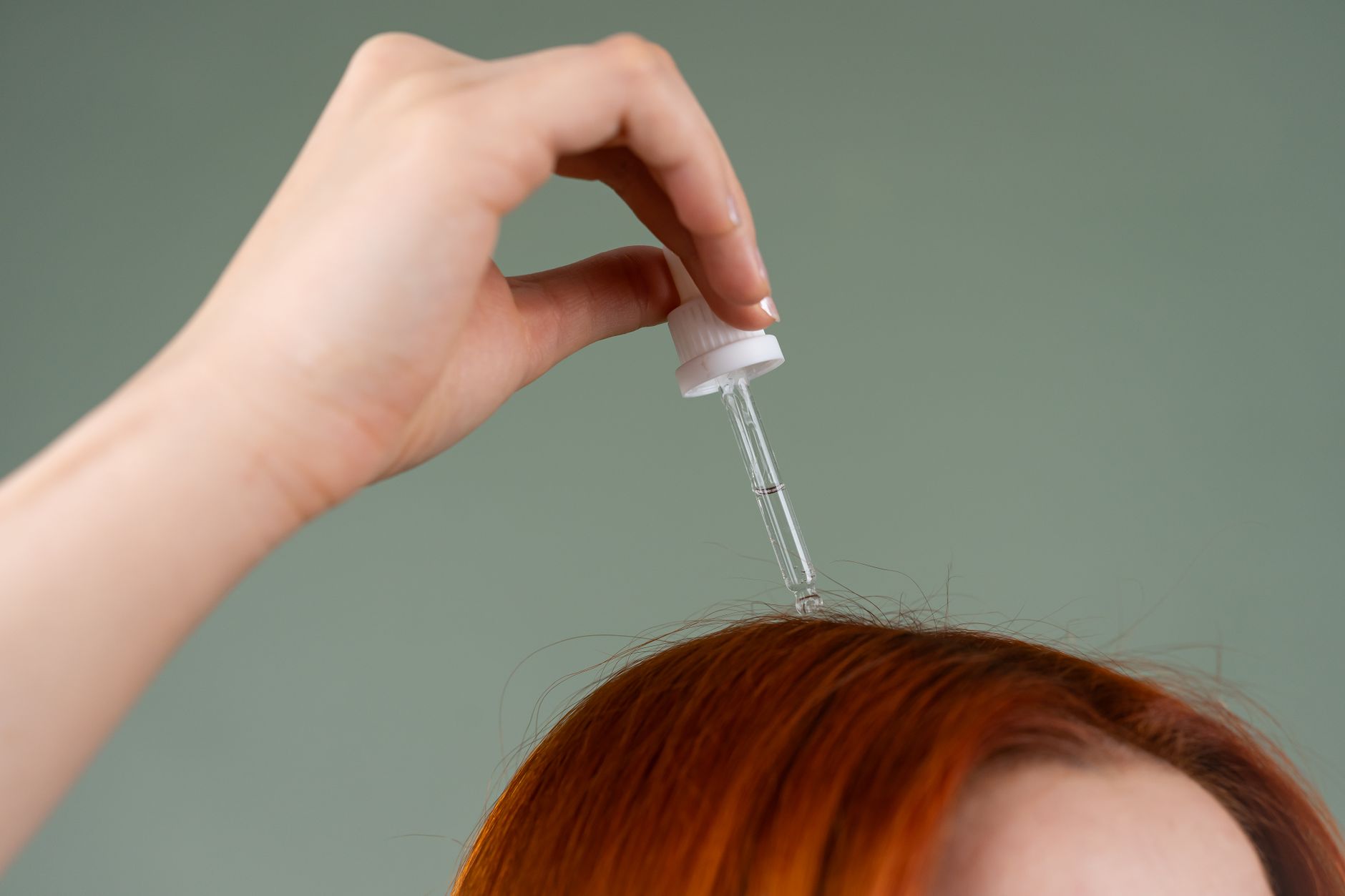
- **Minoxidil**: An over-the-counter topical treatment that can promote hair growth in some people.
- **Oral Corticosteroids**: Prescribed in more severe cases, these medications can help provide rapid regrowth of hair.
- **Immunotherapy**: A treatment that involves stimulating an allergic reaction on the scalp to promote hair regrowth.
Alternative Therapies
Some individuals may explore alternative therapies to complement medical treatments, including:
- **Essential Oils**: Certain essential oils, such as rosemary or peppermint, have been traditionally used to stimulate hair growth, though more research is needed.
- **Nutritional Supplements**: Vitamins and minerals like biotin, vitamin D, and zinc can support hair health; however, consult with a healthcare professional before taking any new supplements.
Light Therapy
Recent studies have been exploring the effectiveness of light therapy as a treatment for hair loss:
- **Red Light Therapy**: This may help stimulate hair follicles and promote hair growth. Although still under research, it can be an option for some individuals.
Adapting Your Hair Care Routine
Individuals with alopecia areata may need to adjust their hair care routines to accommodate their unique hair loss patterns. Here are some practical considerations:
Gentle Hair Care
- **Choose Gentle Products**: Opt for sulfate-free shampoos and conditioners to prevent irritation.
- **Avoid Heat Styling**: Minimize heat styling to protect remaining hair, if any, from damage.
- **Soft Brushes**: Use a wide-tooth comb or soft brushes to detangle hair without causing breakage.
Scalp Care
The scalp can be sensitive when experiencing hair loss. Keep in mind:
- **Moisturize**: Regularly apply gentle, nourishing oils or creams to keep the scalp hydrated.
- **Sun Protection**: If hair is lost in patches, protect the scalp from sun exposure with hats or UV-protective products.
Mental and Emotional Well-Being
Dealing with alopecia areata can be emotionally challenging. Here are some supportive strategies:
- **Therapeutic Support**: Seek counseling or therapy to navigate feelings about hair loss.
- **Journaling**: Writing about your experiences can provide emotional relief and clarity.
- **Community Involvement**: Engage with support networks or communities that understand alopecia areata, providing a sense of belonging.
Common Mistakes to Avoid
When managing alopecia areata, be mindful of these common missteps:
- **Skipping Treatments**: Consistency with treatments and routines is key for potential hair regrowth.
- **Excessive Stress**: Stress can exacerbate hair loss, so consider stress-reduction practices like meditation, yoga, or deep breathing exercises.
- **Ignoring Symptoms**: If you notice any changes in your scalp or hair pattern, consult a dermatologist for personalized advice.
Managing Expectations
Understanding that hair regrowth may take time allows for more realistic expectations. Each person’s experience with alopecia areata differs, and results from treatments can vary widely. Some may notice regrowth within a few months, while others may take longer.
Moreover, hair may not regrow in the same pattern as before, and some may experience cycles of regrowth and loss. Emphasizing care, both physically and emotionally, can make a substantial difference throughout this journey.
Conclusion
Alopecia areata is a complex condition that affects individuals differently, requiring a tailored approach to beauty care. With awareness of its signs, potential triggers, and available treatments, those affected can better navigate their beauty routines while embracing their unique experiences. Begin by engaging with gentle hair care techniques and exploring treatment options with a healthcare provider.
If you want to delve deeper into the causes of alopecia or learn about red light therapy and its impact on hair loss, explore these guides: What Causes Alopecia and Does Red Light Therapy Work for Hair Loss.