
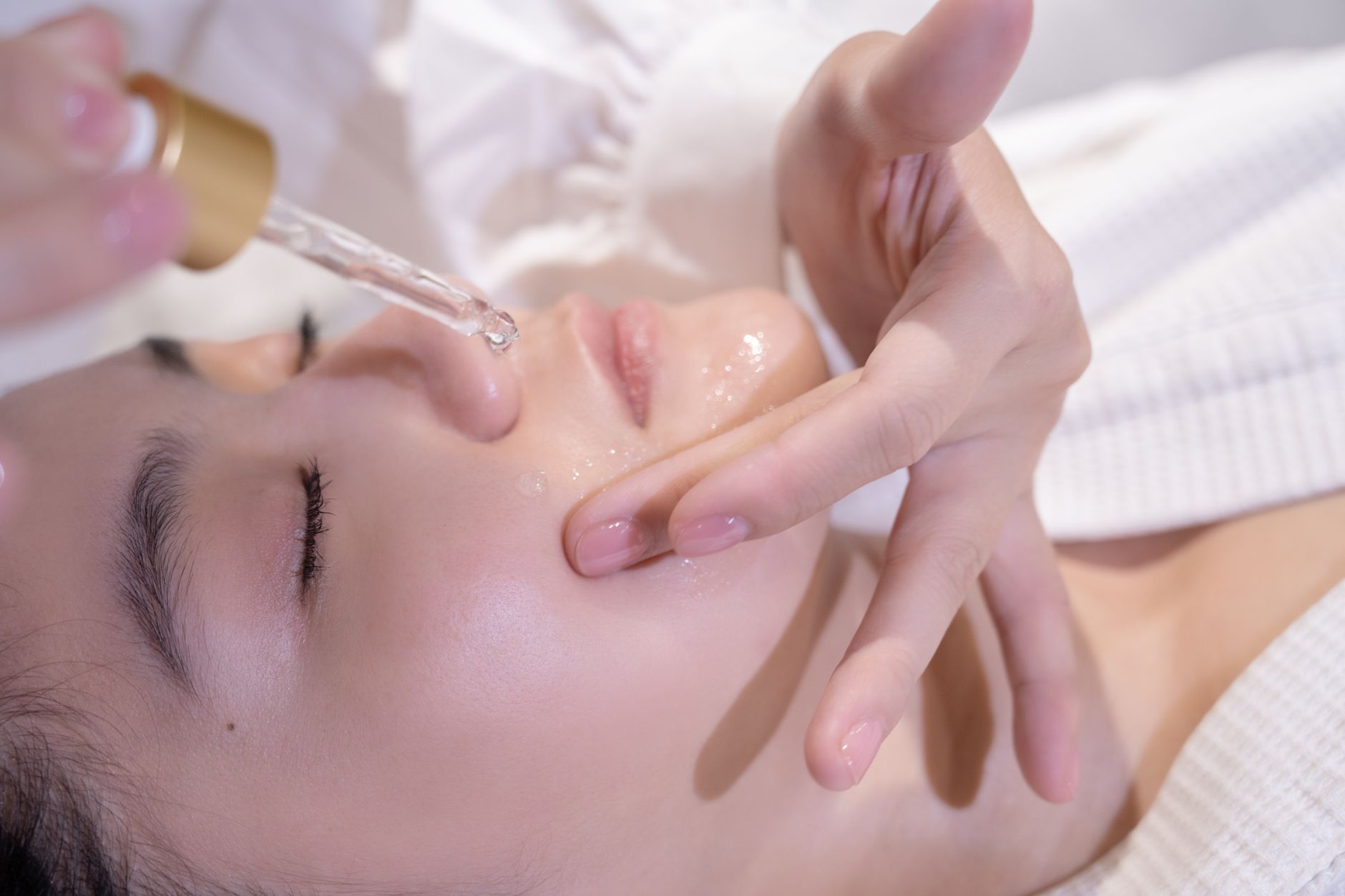
Experiencing a hot sensation on your face can be concerning and uncomfortable. This feeling is often more than just a momentary embarrassment; it can signal various underlying causes ranging from external factors to skin conditions or even emotional responses. Understanding why your face feels hot can help you determine the best course of action to alleviate this sensation and restore your comfort.
In this article, we will explore common causes of facial warmth and provide you with practical steps to address this concern effectively. Whether it’s related to skincare, environmental triggers, or general well-being, you’ll gain insight into managing this issue.
Why Does My Face Feel Hot?
There are several reasons your face might feel hot, including inflammation, increased blood flow, allergens, and environmental factors. Understanding these causes can help you identify the best solution to your specific situation.
Common Causes of Facial Warmth
1. Increased Blood Flow
An increase in blood flow to the face can make it feel hot. This may occur during exercise, emotional reactions, or even hot weather. Your body naturally directs more blood to certain areas, including the face, to regulate temperature and support physical activity.
2. Skin Irritation or Allergic Reactions
Sometimes, a hot sensation on the face can result from skin irritation or allergies. Ingredients in skincare products, cosmetics, or environmental allergens can trigger inflammation, leading to a feeling of heat. Common irritants include fragrances, preservatives, and certain active ingredients.
3. Rosacea
Rosacea is a chronic skin condition that often results in redness and a hot sensation on the face. It can be triggered by various factors such as sun exposure, hot foods, or stress and typically requires specific management strategies. If you suspect this might be the cause, consider consulting a dermatologist.
4. Hormonal Changes
Hormonal fluctuations, particularly during menstruation, pregnancy, or menopause, can lead to hot flashes. These hormonal changes can cause your skin to feel warm or flushed, especially in the facial region.
5. Acne or Other Skin Conditions
Inflammatory skin conditions such as acne can also result in localized heat. When the pores become clogged, bacteria can multiply, leading to redness and a hot sensation as the body responds to inflammation.
6. External Factors
Environmental elements such as heat, humidity, or exposure to the sun can cause your skin to feel warm. Additionally, excessive use of hot water while cleansing your face can also lead to a heated sensation, especially if you have sensitive skin.
7. Stress and Anxiety
Emotional triggers such as stress and anxiety can result in physical symptoms, including facial warmth. The body’s stress response can lead to increased heart rate and blood flow, which may leave you feeling hot in your face.
What to Do When Your Face Feels Hot
The steps you take when your face feels hot largely depend on the underlying cause. Here are some practical strategies to help you manage this discomfort.
1. Identify the Trigger
The first step in addressing facial heat is to identify what might be causing it. Take note of factors that seem to correlate with the sensation, such as emotional stress, specific products, or environmental conditions.
2. Use Soothing Products
Incorporating soothing ingredients into your skincare routine can help alleviate irritation and redness. Look for products that contain:
- Aloe vera: Known for its soothing properties.
- Cucumber extract: Cool and refreshing, great for calming overheated skin.
- Chamomile: A gentle anti-inflammatory that helps reduce redness.
- Green tea: Antioxidant-rich and soothing; helps protect against irritation.
3. Practice Proper Sun Protection
To prevent your face from feeling hot due to sun exposure, always use sunscreen when going out. Opt for a broad-spectrum SPF of 30 or higher and reapply every two hours. Look for lightweight formulas to avoid clogging your pores while offering sufficient protection.
4. Adjust Your Skincare Routine
Evaluate your current skincare routine and consider simplifying it if you’re using multiple products. Minimize the use of alcohol-based toners, strong exfoliants, and heavily scented products that could irritate your skin.
5. Keep Hydrated
Dehydration can exacerbate skin issues. Ensure you drink enough water throughout the day to help maintain your skin’s hydration levels. This is particularly important in hot or dry climates.
6. Cool Your Skin
When your face feels hot, cooling can provide immediate relief. Here are some methods to cool down:
- Apply a clean, cold washcloth to your face for a few minutes.
- Use facial mists that contain soothing ingredients like rosewater or aloe vera.
- Store your skincare products in the fridge for an extra dose of cooling.
7. Control Your Stress
If you find that stress contributes to your facial warmth, consider stress-reducing activities like meditation, deep breathing, or gentle exercise. Finding ways to manage stress not only helps your mental health but can also improve your skin.
8. Consult a Professional
If your facial warmth persists or is accompanied by other symptoms such as severe redness, swelling, or bumps, it may be time to consult a dermatologist. They can help diagnose any underlying conditions and recommend treatments tailored to your needs.
Skincare Routine for Hot and Sensitive Skin
Creating a soothing routine tailored to your skin’s needs can help manage that uncomfortable hot feeling. Below is a suggested skincare regimen for hot and sensitive skin.
Morning Routine
- Gentle Cleanser: Use a mild, fragrance-free cleanser to wash your face, removing impurities without stripping moisture.
- Soothing Toner: Apply a calming toner containing witch hazel or chamomile to help reduce inflammation.
- Moisturizer: Choose a lightweight, hydrating moisturizer with ingredients like hyaluronic acid or glycerin.
- Sunscreen: Finish with a broad-spectrum sunscreen to protect your skin from harmful UV rays.
Evening Routine
- Gentle Cleanser: Repeat your morning cleanser to wash away the day’s makeup and pollutants.
- Soothing Serum: Find a serum that contains soothing ingredients like niacinamide to help strengthen the skin barrier.
- Moisturizer: Use a calming Moisturizer before bed to lock in moisture overnight.
Ingredient Spotlight: Soothing Additions
Certain ingredients can be particularly beneficial for those who experience heat and irritation in their skin. Here are a few you may want to look out for:
Aloe Vera
Aloe vera helps hydrate and soothe irritated skin. It contains antioxidants and vitamins that promote healing, making it an excellent addition to your skincare routine.
Cucumber Extract
Cucumber not only provides hydration but also has anti-inflammatory properties. It can help cool the skin and reduce puffiness, making it ideal for those dealing with facial warmth.
Green Tea
Rich in antioxidants, green tea can help combat free radicals that lead to skin irritation. Its cooling properties make it a great choice for calming hot skin.
Niacinamide
Known for its multi-tasking abilities, niacinamide helps improve skin texture, reduce redness, and enhance the skin barrier’s function. It’s often well-tolerated by even the most sensitive skin types.
Hyaluronic Acid
This powerful humectant draws moisture into the skin, helping to keep it hydrated. A hydrated skin barrier is less likely to experience sensitivity and discomfort.
Makeup Tips for Hot Skin
If you enjoy wearing makeup but find it difficult when your face feels hot, consider these tips to ensure better application and comfort:
1. Choose Lightweight Formulas
Opt for lightweight, breathable foundations, BB creams, or tinted moisturizers that won’t clog your pores or add extra warmth. Look for products labeled as non-comedogenic.
2. Prioritize Priming
Using a mattifying or hydrating primer can create a smooth base for makeup. It helps absorb excess oil and reduces the chance of makeup sliding off when your skin feels warm.
3. Avoid Thick Layers
Layering too much product can exacerbate facial warmth. Instead, apply your makeup sparingly, focusing on evening out your complexion where necessary.
4. Set with Powder or Setting Spray
Use a translucent powder or a setting spray to lock your makeup in place, helping to reduce shine caused by perspiration or unexpected heat.
5. Keep a Blotting Paper Handy
If you find your face getting excessively hot and oily throughout the day, keep blotting papers in your bag for quick touch-ups. They can help absorb excess oil without disturbing your makeup.
Conclusion
Your face feeling hot can be caused by a variety of factors ranging from environmental triggers to skin conditions. By identifying the cause and adapting your skincare and makeup routine, you can typically find relief from this discomfort. Stay attentive to your skin’s responses and consult a professional if symptoms persist.
For additional skincare tips and routines, explore our guides on how to debloat your face and treat dry skin effectively. These resources provide further assistance in building a routine that caters to your skin’s unique needs.