
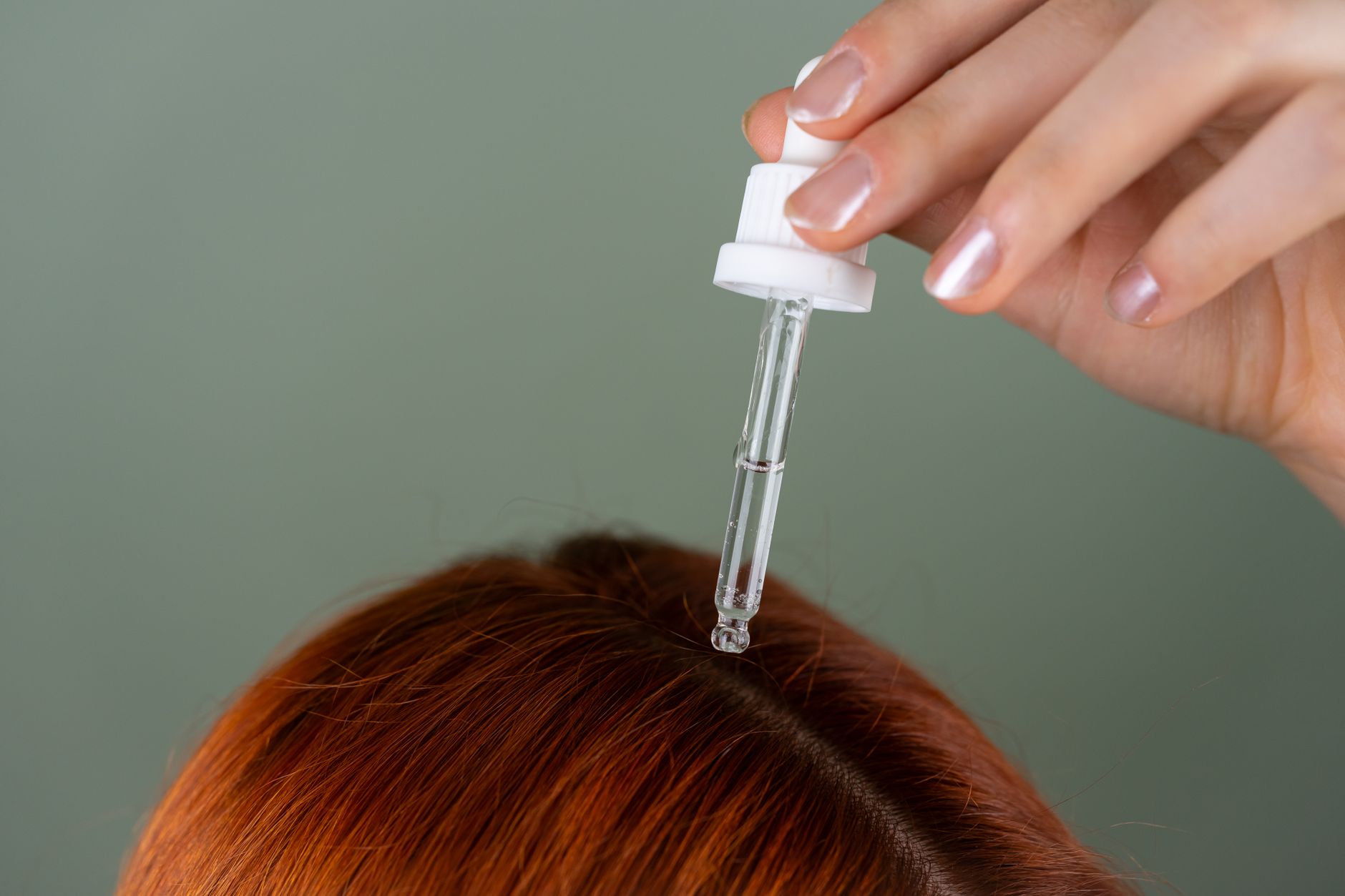
Long, healthy hair can often feel like an elusive goal. Many people wonder how to grow their hair faster, seeking ways to boost growth and improve hair health. While there are countless myths surrounding hair growth, we’ll break down evidence-based tips and techniques to help you achieve your hair goals.
In this article, we’ll explore the science behind hair growth, debunk common misconceptions, and provide practical advice to enhance the overall health of your hair. This will help you turn your hair growth aspirations into reality.
How to Grow Your Hair Faster?
To grow your hair faster, focus on maintaining a healthy scalp, consuming a balanced diet, minimizing heat and chemical damage, and considering supportive hair care products. Additionally, it’s essential to understand hair growth cycles and incorporate beneficial scalp treatments into your routine.
Understanding Hair Growth
Hair growth primarily occurs in cycles, which include the anagen (growth), catagen (transition), and telogen (resting) phases. On average, hair grows about half an inch per month. Factors such as genetics, age, health, and diet affect how quickly your hair grows.
The Hair Growth Cycle
- Anagen Phase: This is the active growth phase where hair follicles produce new hair. This phase can last several years, depending on individual genetics.
- Catagen Phase: A short transitional phase lasting a couple of weeks where hair growth slows down, and hair follicles shrink.
- Telogen Phase: This is a resting phase where hair falls out to make room for new growth. This phase lasts about three months.
Key Tips to Support Hair Growth
Growing your hair faster involves a combination of lifestyle adjustments, hair care practices, and dietary considerations. Here are evidence-based tips that can support hair growth effectively.
1. Maintain a Healthy Scalp
A healthy scalp is crucial for promoting hair growth. Consider the following practices:
- Regular Cleansing: Use a gentle shampoo suited for your hair type. Avoid over-washing, as it can strip natural oils.
- Scalp Exfoliation: Consider using a scalp scrub to remove dead skin cells and product buildup that may hinder hair growth.
- Moisturizing: A hydrated scalp promotes healthier hair. Use lightweight oils or scalp treatments to maintain moisture.
2. Eat a Balanced Diet
Your diet plays a pivotal role in hair health. Include the following nutrients to help promote growth:
- Protein: Hair is primarily made of protein (keratin), so adequate protein intake from sources like lean meats, fish, eggs, and legumes is essential.
- Essential Fatty Acids: Omega-3 fatty acids found in fish, flaxseeds, and walnuts can help keep your scalp healthy.
- Vitamins: Vitamins like Biotin (Vitamin B7), Vitamin D, and Vitamin E promote hair growth. Be sure to incorporate fruits, vegetables, and whole grains into your meals.
3. Reduce Heat and Chemical Damage
Excessive heat styling and chemical treatments can weaken hair and impede growth. Consider these tips for healthier styling:
- Limit Heat Tools: Minimize the use of blow dryers, straighteners, and curling irons. Try air drying whenever possible.
- Choose Heat Protectants: If you need to use heat, always apply a heat protectant spray or serum beforehand.
- Be Cautious with Chemicals: Try to avoid hair dyes and relaxers or seek professional treatments to limit damage.
4. Regular Trims
While it may seem counterintuitive, regularly trimming split ends can help maintain healthy hair and prevent breakage, leading to healthier growth.
5. Scalp Massages
Massaging the scalp can increase blood circulation and stimulate hair follicles. Use your fingertips to gently massage the scalp for 5 to 10 minutes daily, preferably with oils like coconut or jojoba for added benefits.
6. Consider Supplements
If your diet lacks essential nutrients, consider integrating supplements that support hair health, such as:
- Biotin: Popularly believed to promote healthy hair, skin, and nails.
- Collagen: Supports hair structure and may contribute to hair growth.
- Multivitamins: A comprehensive option that can fill nutritional gaps.
Common Hair Growth Myths Debunked
Many myths surrounding hair growth can lead to confusion and ineffective practices. Let’s take a closer look at some common ones:
1. Frequent Trims Make Hair Grow Faster
Myth: While trimming hair prevents split ends and breakage, it does not impact the rate of hair growth, which occurs at the follicle level.
2. Hair Needs to Breathe
Myth: Hair is not a living structure; therefore, it does not need to “breathe.” However, a healthy scalp can contribute to better hair health.
3. Washing Hair This Often is Ideal
Myth: The frequency of washing hair varies per person. Those with oilier scalps may need to wash more often, while drier hair types should wash less frequently. Listen to your hair’s needs.
4. Wearing Hats Will Slow Hair Growth
Myth: Wearing hats does not slow down hair growth. However, tight hats may cause traction alopecia if worn excessively tight. Looser hats generally pose no risk.
5. More Hair Products Equal Faster Growth
Myth: Using multiple products does not guarantee faster hair growth. Stick to a reasonable routine with targeted products for optimal results.
Scalp Treatments that Support Hair Growth
In addition to regular scalp care, consider treatments that specifically target hair growth:
1. Essential Oils
Many essential oils are believed to promote hair growth:
- Rosemary Oil: Rich in antioxidants, rosemary oil improves circulation, encouraging hair growth.
- Peppermint Oil: Noted for its refreshing scent, peppermint oil may stimulate hair follicles when diluted with a carrier oil.
2. Hair Growth Serums
Look for serums featuring ingredients like minoxidil, which has been scientifically proven to promote hair growth in both men and women. Always follow the product’s specified application instructions.
3. Nutrient-Rich Masks
Fortifying hair masks containing proteins, vitamins, and essential oils can enhance hair strength and protective barriers. Look for masks tailored for your hair type.
Healthy Hair Care Routine
Building a consistent hair care routine can support growth while keeping your strands healthy. Follow these steps to create an effective routine:
1. Cleansing
- Choose a sulfate-free shampoo suitable for your hair type.
- Gently massage the shampoo into your scalp and rinse thoroughly.
- Follow with a conditioner to moisturize your strands.
2. Conditioning
- Apply conditioner primarily to the mid-lengths and ends of your hair.
- Leave it on for a few minutes before rinsing to allow for maximum absorption.
3. Weekly Treatments
- Incorporate a deep conditioning mask or treatment into your routine once a week.
- Apply the treatment and cover your hair with a cap to allow heat to enhance absorption.
4. Minimize Heat Styling
Reserve heat styling for special occasions and opt for heat-free styles, such as braids or buns, for day-to-day wear.
5. Overnight Hair Care
Consider protective styles while you sleep, such as loose braids or a silk scarf, to minimize friction and breakage.
Monitoring Your Progress
Keep track of your hair growth journey to inspire and motivate you. Consider these tips:
- Take Regular Photos: Capture your progress every month or every few weeks to visually track changes.
- Journal Your Routine: Note the products you use and changes in your hair health and growth.
- Be Patient: Hair growth takes time, and changes may not be immediately visible.
Common Mistakes to Avoid
To ensure you’re on the right path to growing your hair faster, avoid these common mistakes:
- Overuse of Products: Multiple products can lead to buildup that weighs hair down. Focus on quality over quantity.
- Ignoring Hair Type: Use hair care products that cater to your specific hair type and concerns.
- Neglecting Scalp Care: Prioritize your scalp as much as your hair; a healthy scalp equals healthy hair.
Realistic Expectations for Hair Growth
While it’s natural to desire fast results, having realistic expectations is key. On average, hair grows about half an inch per month. Your genetics, health, and how well you follow these tips will play a role in how quickly your hair grows. Monitor your progress and celebrate small victories to keep you motivated.
In summary, growing your hair faster involves nurturing your scalp, diet, and hair care routine. Understanding the fundamentals of hair growth and debunking prevalent myths can empower you in your hair care journey. Remember, consistency is crucial, and embracing a wholesome approach is your best bet for achieving longer, healthier hair.
For a deeper understanding of hair care, explore our articles on the effects of rosemary oil on hair growth and whether coconut oil is good for your hair.