
Wellbutrin, a commonly prescribed antidepressant, often raises concerns about various side effects, including hair loss. For those navigating mental health treatment, understanding the potential impacts of medication on hairstyle is crucial. This article will explore the relationship between Wellbutrin and hair loss, providing evidence, risks, and practical tips to mitigate potential effects.
As we delve into this topic, we’ll look at whether Wellbutrin actually causes hair loss, who may be at risk, and how to care for your hair during treatment. Knowledge is power, and being informed can help you make the best choices for your health and beauty regimen.
Does Wellbutrin Cause Hair Loss?
The short answer to this question is that Wellbutrin may cause hair loss in some individuals, but the evidence is not conclusive. While hair loss is listed as a possible side effect, it is relatively uncommon. The extent of hair loss can vary widely among users and may not directly correlate with the medication itself.
Wellbutrin (bupropion) works by affecting neurotransmitters in the brain, particularly dopamine and norepinephrine. Although these changes can improve mood and reduce anxiety, they can also trigger fluctuations in hair growth cycles for some. Studies indicate that hair loss can occur during the transition period as your body adjusts to the medication.
Understanding the Mechanism Behind Hair Loss
Hair growth occurs in cycles: anagen (growth), catagen (transitional), and telogen (resting). Stress or hormonal fluctuations can disturb this cycle, leading to conditions like telogen effluvium, a temporary form of hair loss where hair follicles enter the resting phase prematurely. Antidepressants have the potential to alter these hormonal balances, potentially influencing hair growth.
Furthermore, Some users report hair loss when discontinuing Wellbutrin, suggesting that changing the dosage or stopping altogether could also impact hair health. This means it’s vital to monitor your hair closely during these transitions.
Who Is at Risk of Hair Loss While Taking Wellbutrin?
While hair loss caused by Wellbutrin remains an uncommon side effect, specific demographics may be at greater risk. These include:
- Individuals with a History of Hair Loss: If you have previously experienced hair loss or have a family history of hair loss, your risks may be elevated.
- Dosage Sensitivity: Those who take higher doses of Wellbutrin may experience more significant side effects, including hair loss.
- Certain Medical Conditions: Conditions like thyroid disorders or other hormonal imbalances may exacerbate hair loss while on this medication.
Other Factors Contributing to Hair Loss
While Wellbutrin may be one factor, it’s essential to consider other elements that contribute to hair loss. Stress, hormonal changes, nutritional deficiencies, and other medications can also play significant roles. Factors like poor diet, lack of essential vitamins, or stress from life changes can compound the issue. Identifying the root causes is vital before attributing hair loss solely to Wellbutrin.
How to Mitigate Hair Loss Risks
If you’re taking Wellbutrin and are concerned about hair loss, consider the following tips to help maintain healthy hair:
- Consult Your Healthcare Provider: Before making any changes, discuss your concerns with your doctor. They may suggest alternative medications or adjustments to your current dose.
- Maintain a Healthy Diet: Ensure you’re consuming a diet rich in vitamins and minerals, including iron, zinc, biotin, and vitamins A and E, all essential for hair growth.
- Stay Hydrated: Drinking enough water is vital for overall health, including the health of your hair.
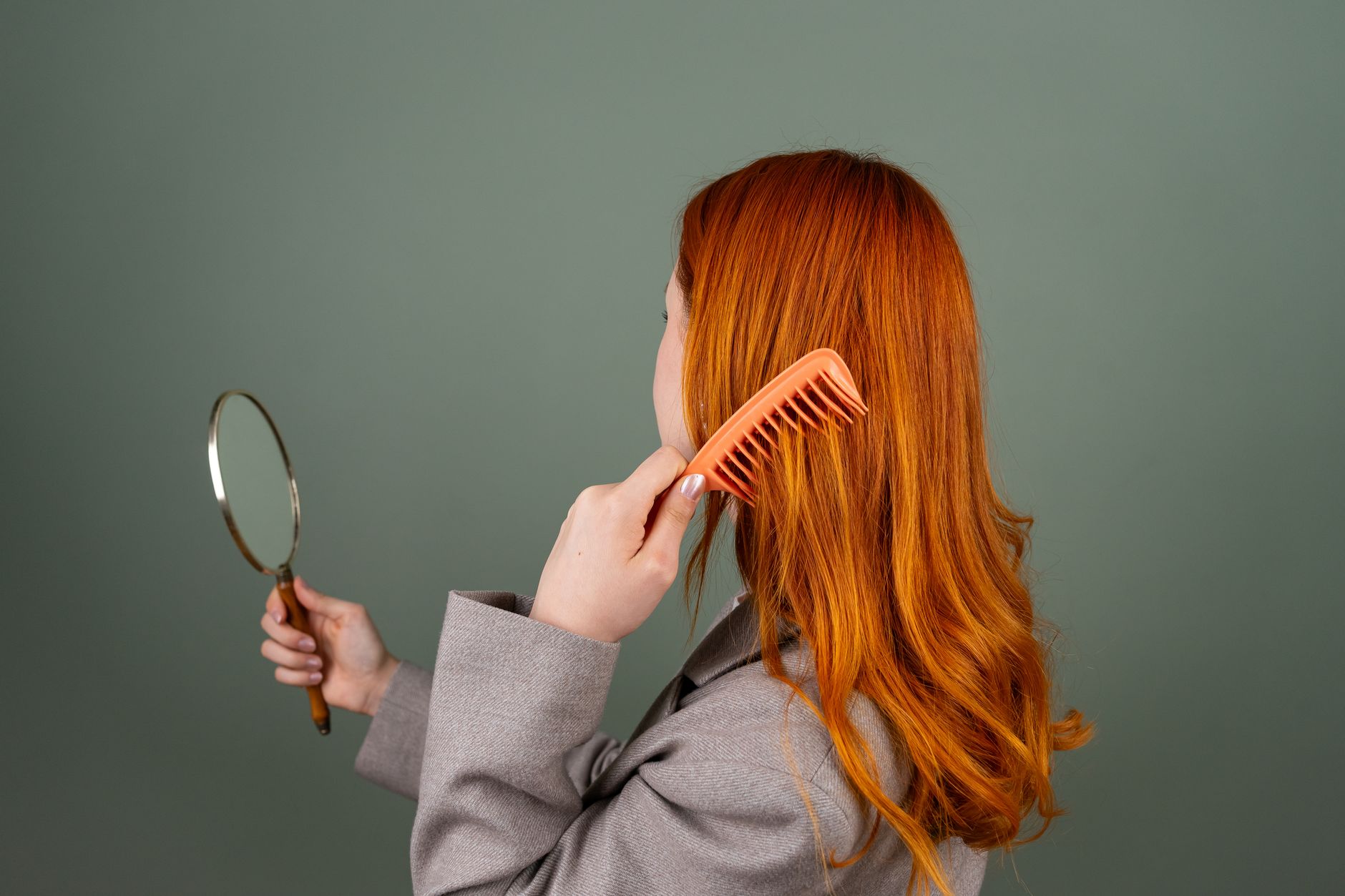
- Be Gentle with Your Hair: Use a wide-tooth comb to detangle and avoid excessive pulling on wet hair. Limit the use of heat styling tools.
- Consider Scalp Treatments: Massaging the scalp can promote blood circulation and stimulate hair growth. Look for products that contain essential oils known for their potential benefits like rosemary or peppermint.
- Avoid Harsh Chemicals: Steer clear of hair products with sulfates or parabens, which can severely damage the hair.
- Explore Hair Supplements: Supplements that focus on hair health can provide essential nutrients that may aid hair growth. However, check with your doctor before starting any new regimen.
Recognizing Signs of Hair Loss
It’s crucial to know what to look for in determining if you’re experiencing hair loss due to Wellbutrin. Here are some signs to monitor:
- Increased hair shedding when you wash or brush your hair.
- Thinning hair spots, especially around the crown or temples.
- Visible scalp through parts or overall thinning.
If you observe these signs, reach out to a medical professional to discuss your observations and the best next steps.
How to Care for Your Hair During Treatment
Focusing on nourishing your hair while undergoing treatment can help minimize the effects of potential hair loss. Here are some daily hair care tips:
- Choose the Right Shampoo and Conditioner: Opt for gentle, sulfate-free formulas that won’t strip your hair’s natural oils.
- Incorporate Deep Conditioning Treatments: Use a hydrating mask at least once a week to replenish moisture.
- Limit Hair Washing: Washing your hair too frequently can lead to increased breakage. Try to wash your hair two to three times a week.
- Protect from Heat Styling: If you must use heat tools, apply heat protectants to reduce damage.
- Seek Professional Help: Consider visiting a hairstylist for trims or specialized hair treatments that can promote healthier strands.
When to Seek Further Medical Attention
If you experience excessive hair loss or any other troubling symptoms while taking Wellbutrin, it is essential to consult with your healthcare provider. They can help determine whether your hair loss is related to medication or another underlying issue and advise on the best course of action.
Exploring Alternative Treatments for Hair Loss
If you find that Wellbutrin is affecting your hair adversely, or you want additional support for hair growth, there are several treatment options available. However, always proceed with caution and consult a healthcare professional before starting any new treatments:
- Minoxidil: Often recommended for hair regrowth, it can be used topically on the scalp. However, check for potential interactions with your current medications.
- Low-Level Laser Therapy: This is a non-invasive option that may promote hair growth by stimulating hair follicles.
- Platelet-Rich Plasma (PRP) Therapy: This professional treatment uses components from your blood to potentially stimulate hair loss. Again, ensure to discuss this with your physician.
Psychological Aspect of Hair Loss
Hair loss can significantly impact self-esteem and mental health, especially for those already facing challenges with their mental well-being. It’s equally important to acknowledge the psychological effects hair loss can have.
Engaging in self-care practices, talking to supportive friends or family, and considering therapy can help in navigating these feelings. Finding supportive communities, be it online or in-person, can also offer reassurance and solutions during this time.
Long-Term Outlook for Hair Loss and Wellbutrin
Understanding that hair loss is often temporary while on Wellbutrin can provide some solace. Many individuals report improvements in hair health after discontinuing or adjusting their medication. Over time, with proper care and attention, it’s possible to resume normal hair growth patterns.
Keeping track of your hair’s condition and communicating openly with your healthcare provider will empower you with the necessary information to make informed decisions about your treatment plan.
While the relationship between Wellbutrin and hair loss isn’t definitively established, knowing the signs, mitigating risks, and appreciating the nuances of your personal health can lay the groundwork for a healthier you—inside and out.
Choosing to prioritize your hair health can involve changes in routines or product selections but can lead to significant improvements over time. With a comprehensive understanding of both Wellbutrin’s effects and hair care, you can tackle this challenge with confidence.
Ultimately, don’t hesitate to reach out to professionals—such as your healthcare provider, dermatologist, or a licensed beautician—when needed. Each step you take contributes to a more informed and empowered approach to your beauty and mental health journey. Remember, you’re not alone in this, and there are smarter ways to navigate any issues arising from medication.
Explore related beauty guides on hair care and scalp health, such as Does Minoxidil Cause Hair Loss? or What Causes Hair Loss in Men?.