
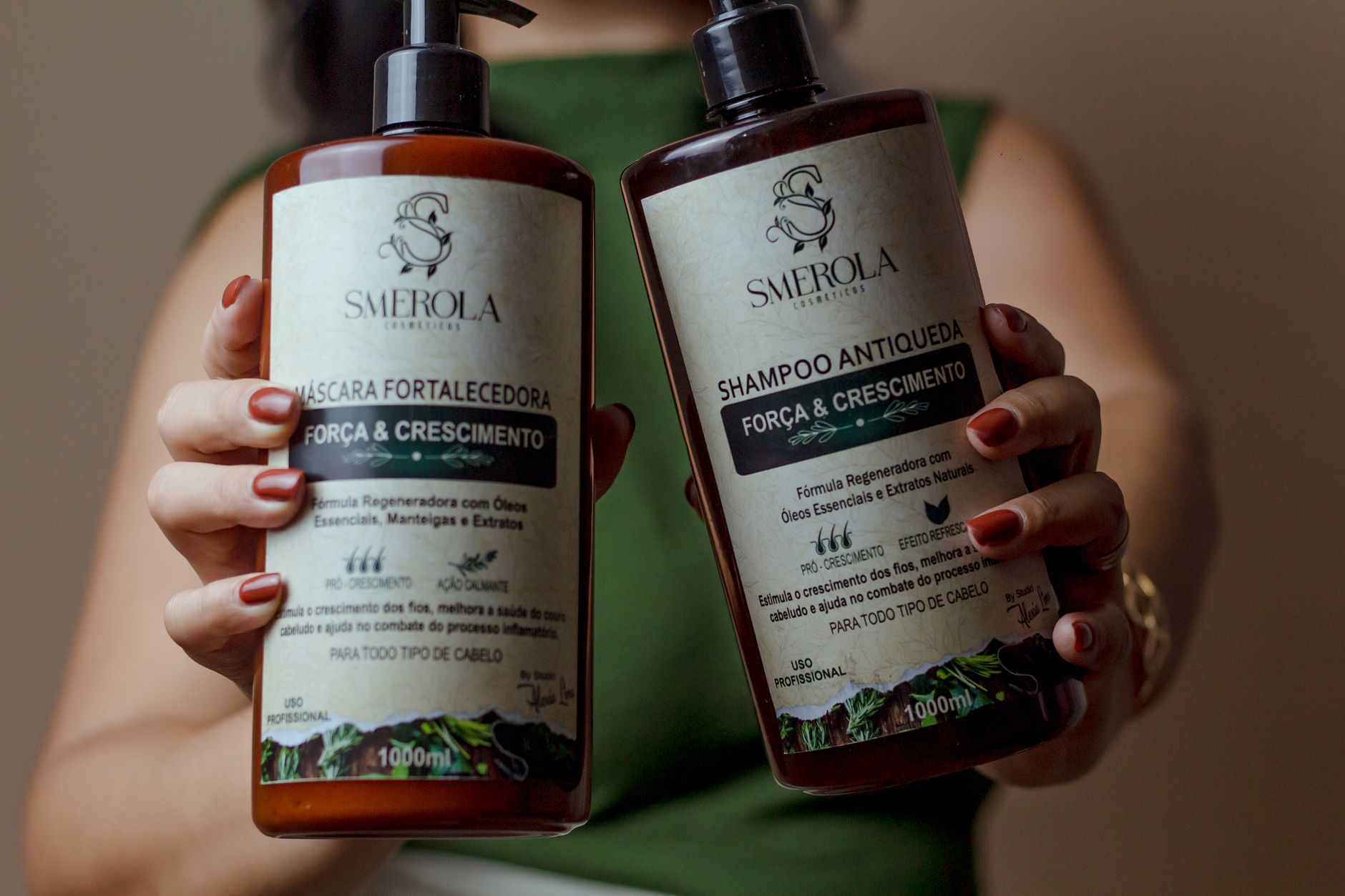
Hair loss in men can be a source of stress and concern as it often relates to self-image and confidence. Understanding the underlying causes of hair loss is crucial for addressing this common issue effectively. This article delves into the various reasons men may experience hair loss, ways to care for thinning hair, and appropriate next steps for those seeking solutions.
This guide will cover hormonal influences, genetic factors, lifestyle choices, and the impact of scalp health on hair retention. By exploring these topics, you’ll be better equipped to address your hair loss concerns with actionable steps and informed choices.
What Causes Hair Loss in Men?
Hair loss in men is primarily caused by a combination of genetic predisposition, hormonal changes, and environmental factors. Androgens, particularly dihydrotestosterone (DHT), play a significant role in male pattern baldness. Understanding these factors helps in identifying effective management strategies.
Types of Hair Loss in Men
Different forms of hair loss present distinct characteristics. Recognizing these types can help you choose the right approach to care or treatment.
- Androgenetic Alopecia: Commonly known as male pattern baldness, this is the most prevalent type of hair loss in men. It usually begins with a receding hairline or thinning of the crown, often progressing with age.
- Alopecia Areata: This is an autoimmune condition that leads to sudden hair loss in patches. While it can affect anyone, it tends to appear in younger individuals.
- Telogen Effluvium: This temporary hair loss occurs due to stress, illness, or a traumatic event, where more hair follicles than normal enter the resting phase, resulting in thinning.
- Traction Alopecia: Caused by excessive pulling or styling of hair, often related to tight hairstyles, this type can be reversible if caught early.
Hormonal Causes of Hair Loss
Hormones significantly influence hair growth cycles. The most crucial hormone linked to hair loss in men is DHT, derived from testosterone. Elevated levels of DHT are associated with follicle miniaturization, eventually leading to decreased hair density.
The Role of DHT
DHT binds to androgen receptors in hair follicles, causing them to shrink and shorten the hair growth phase. This results in thinner hair and ultimately hair loss. Understanding your hormone levels can be an essential step in addressing your hair concerns.
Genetic Factors
Genetics also plays a significant role in male hair loss. If your family history includes baldness or thinning hair, there’s a chance you may experience the same. Male pattern baldness affects nearly 50% of men by the age of 50.
Inheritance Patterns
While it’s often thought that the genetic predisposition for baldness comes from the mother’s side, it’s a polygenic trait influenced by multiple genes. Genetics can dictate the age at which hair loss begins, the extent of loss, and the overall pattern.
Lifestyle Factors Affecting Hair Loss
Your lifestyle can have a considerable impact on hair health. Factors like diet, stress, and smoking can contribute to hair loss or exacerbate existing conditions. Making healthier choices can support hair retention and overall well-being.
Diet and Nutrition
A balanced diet is crucial for maintaining healthy hair. Essential vitamins and minerals play a role in hair growth, particularly:
- **Vitamin A:** Important for cell growth and can help prevent hair dryness.
- **B vitamins:** Especially biotin, which is linked to hair health.
- **Vitamin D:** Plays a role in the hair follicle cycle.
- **Iron:** Helps red blood cells carry oxygen to your hair follicles.
- **Zinc:** Aids in hair tissue growth and repair.
Consider incorporating foods rich in these nutrients, such as leafy greens, nuts, seeds, fish, and legumes, into your daily diet.
Stress and Hair Loss
Chronic stress can trigger hair loss through conditions like telogen effluvium. Managing stress through relaxation techniques such as meditation, exercise, or yoga can positively influence hair retention.
Smoking and Hair Health
Smoking has been linked to hair loss. It may contribute to reduced blood flow to hair follicles, inhibiting their health and growth. Quitting smoking can improve not only your overall health but may also benefit your hair.
Environmental Factors
Environmental factors like pollution, exposure to chemicals, and UV damage can detrimentally affect hair health. Protecting your hair from environmental stressors is vital.
Pollution and Hair Damage
Air pollutants can accumulate on the scalp, contributing to inflammation and weakening hair follicles. Regular cleansing and conditioning can help remove these contaminants.
Scalp Care and Health
A healthy scalp is essential for healthy hair. Scalp conditions can lead to hair loss or contribute to thinning. Here’s what to consider for optimal scalp health.
Common Scalp Conditions
- Dandruff: A flaky scalp can lead to irritation and hair loss. It’s often treatable with medicated shampoos.
- Psoriasis: A chronic condition that can cause red, scaly patches on the scalp, potentially leading to hair loss.
- Fungal Infections: Conditions like ringworm can significantly impair hair growth and lead to loss.
Scalp Care Routine
To maintain a healthy scalp, consider the following steps:
- Regular Washing: Cleanse your scalp with a gentle, sulfate-free shampoo to remove excess oil and product buildup.
- Exfoliation: Use a scalp scrub or gentle exfoliant to remove dead skin cells and stimulate circulation.
- Moisturization: Apply a lightweight scalp serum to nourish the skin and prevent dryness.
- Weekly Treatments: Consider a weekly mask designed for scalp health to improve overall conditions.
Caring for Thinning Hair: Tips and Techniques
When experiencing hair loss, it’s essential to modify your hair care routine to fit your needs. Here are some tailored tips:
Choosing the Right Products
- Shampoo: Look for shampoos formulated for thinning hair that strengthen and nourish while not stripping the hair of essential oils.
- Conditioner: A lightweight conditioner can provide moisture without weighing hair down.
- Styling Products: Use volumizing or thickening sprays to create the appearance of fuller hair.
Gentle Styling Techniques
Harsh styling can further stress your hair. Consider the following:
- Avoid tight hairstyles that pull on your roots, leading to traction alopecia.
- Limit the use of heat styling tools; when you do use them, apply a heat protectant.
- Be gentle when brushing or combing to reduce breakage.
Medical Options for Hair Loss
If hair loss persists or worsens, consulting a healthcare professional is essential. They can provide diagnosis and recommend suitable treatment methods.
Medications
Several FDA-approved medications can help with hair loss:
- Minoxidil: An over-the-counter topical treatment applied to the scalp that stimulates hair growth in many users.
- Finasteride: A prescription oral medication that reduces levels of DHT, slowing hair loss.
Advanced Treatments
For those seeking more aggressive approaches, options include:
- Hair Transplants: This surgical option redistributes hair from fuller areas to thinning spots.
- PRP Therapy: Platelet-rich plasma injections may promote hair growth by rejuvenating hair follicles.
Next Steps: Creating a Hair Loss Plan
Understanding what causes hair loss can empower you to take control of your hair health. Here’s how to build a plan:
- Assess Your Hair Loss: Monitor any changes and consult a healthcare professional if necessary.
- Modify Your Routine: Adapt your hair care regime, including gentle cleansing and moisturizing.
- Consider Your Diet: Incorporate nutrients that support hair health.
- Explore Treatments: Research and discuss medication options with your doctor.
- Stay Consistent: Results take time; remain patient and diligent in your approach.
Hair loss is a complex issue influenced by multiple factors, but manageable with informed choices and professional guidance. Empower yourself by being proactive about your hair health.
For those interested in related topics, consider exploring whether dandruff causes hair loss or learn more about the causes of alopecia. Each provides valuable insights into maintaining healthy hair and scalp.